Read across five tongues.
Short articles and everyday conversations — Arabic fully vowelled, Japanese with furigana — each with Thai sentence translations, tap-a-word glosses, and recorded narration where you see the audio badge.
750 conversations · page 18 of 32
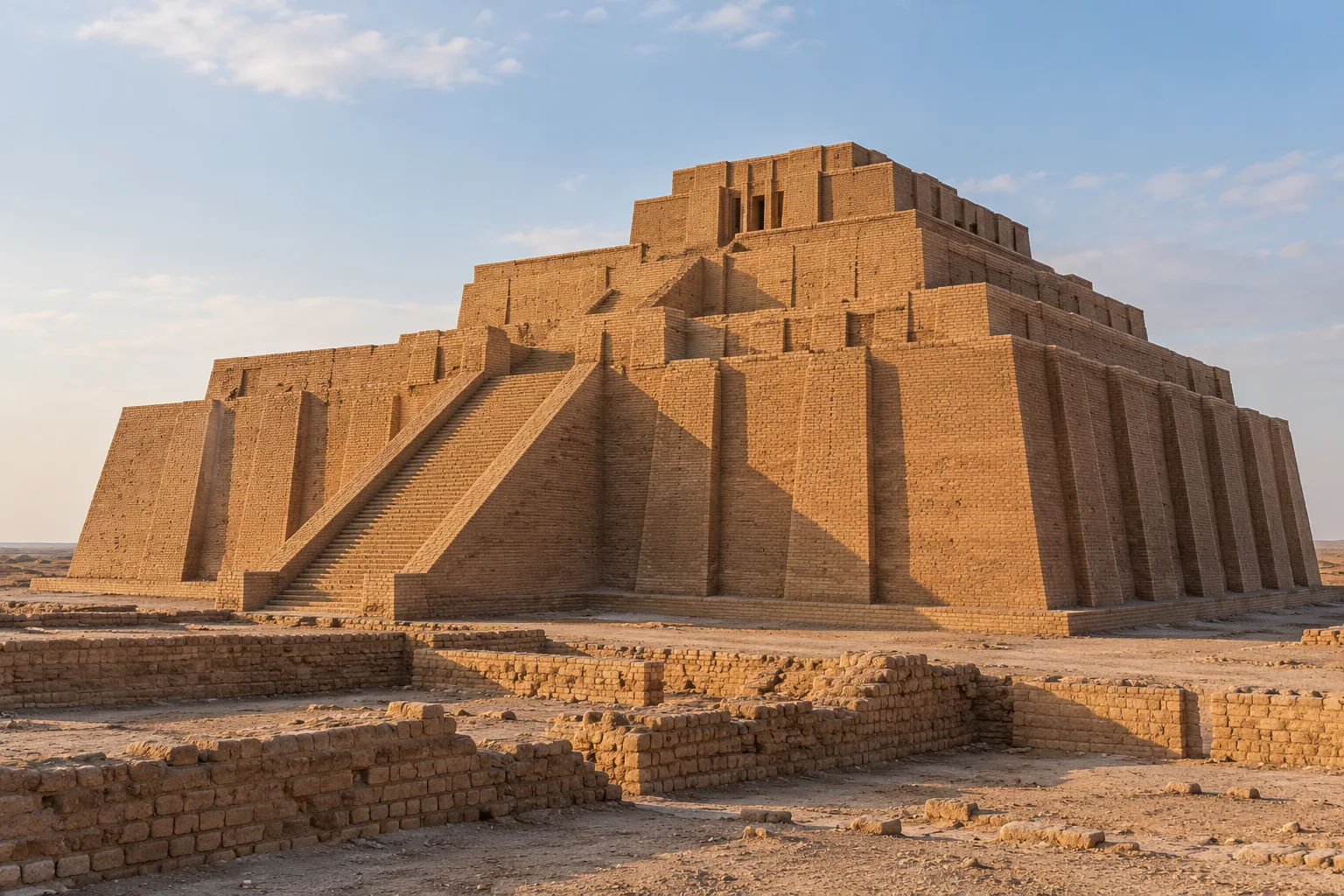
ジッグラトとメソポタミアの神殿
Two friends discuss how Mesopotamian cities built stepped ziggurats as temples at their centre.
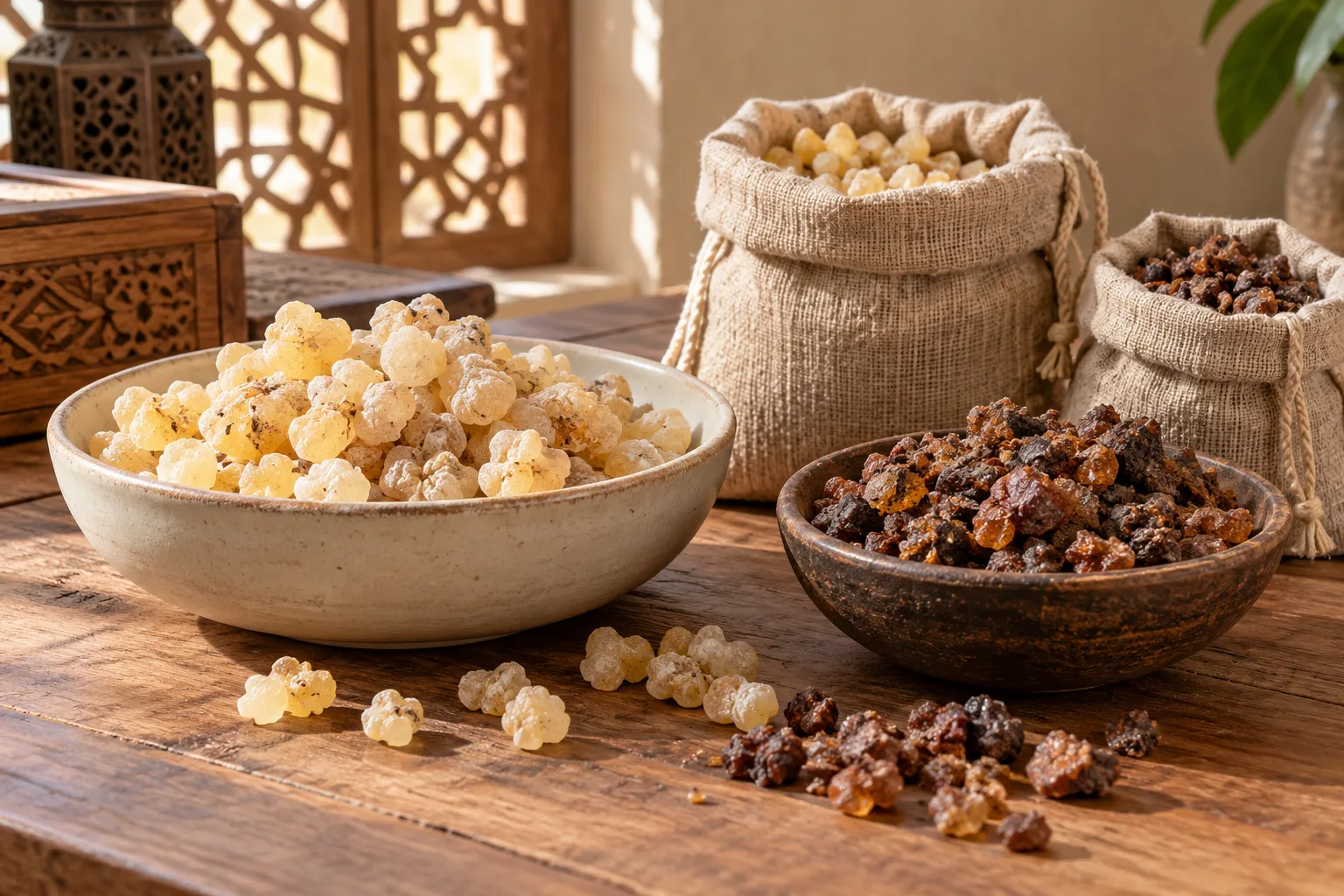
香の道とラクダの隊商
Two friends talk about how camel caravans carried incense across the desert on ancient trade routes.
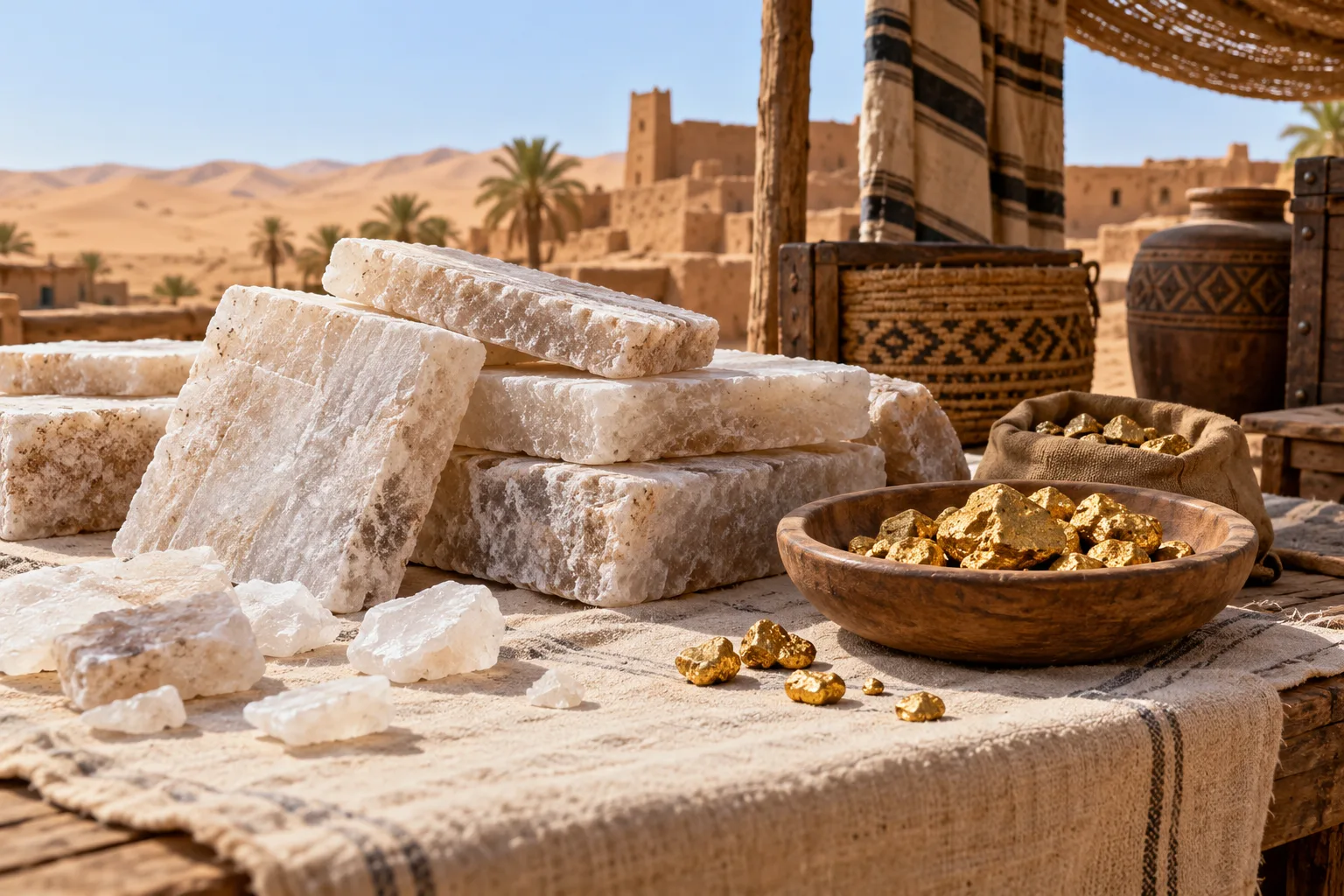
サハラの金と塩の交易
Two friends discuss how caravans crossing the Sahara traded salt for gold and built prosperous towns.
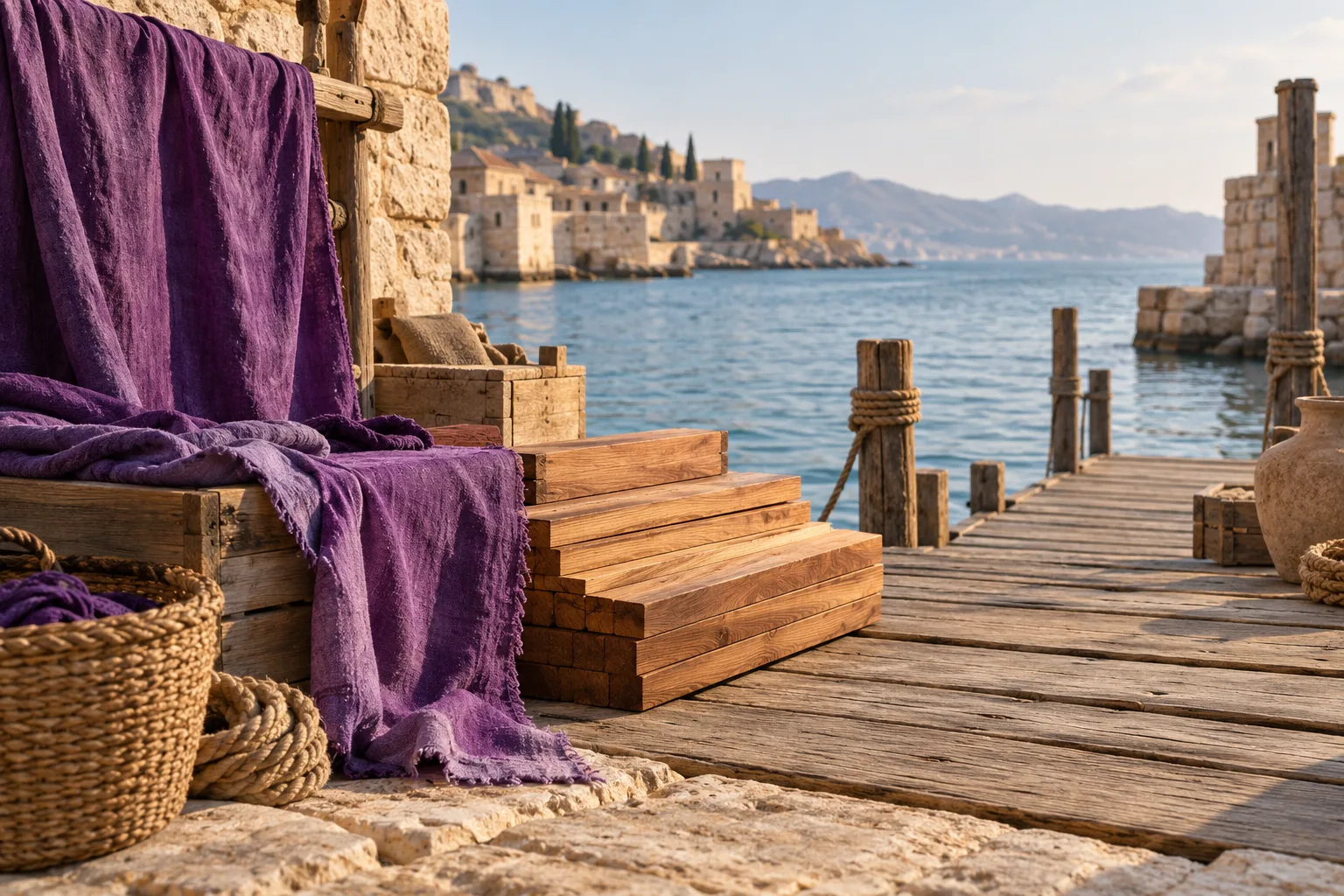
フェニキア人と地中海の交易
A teacher and student discuss how Phoenician sailors traded goods and spread their alphabet across the Mediterranean.
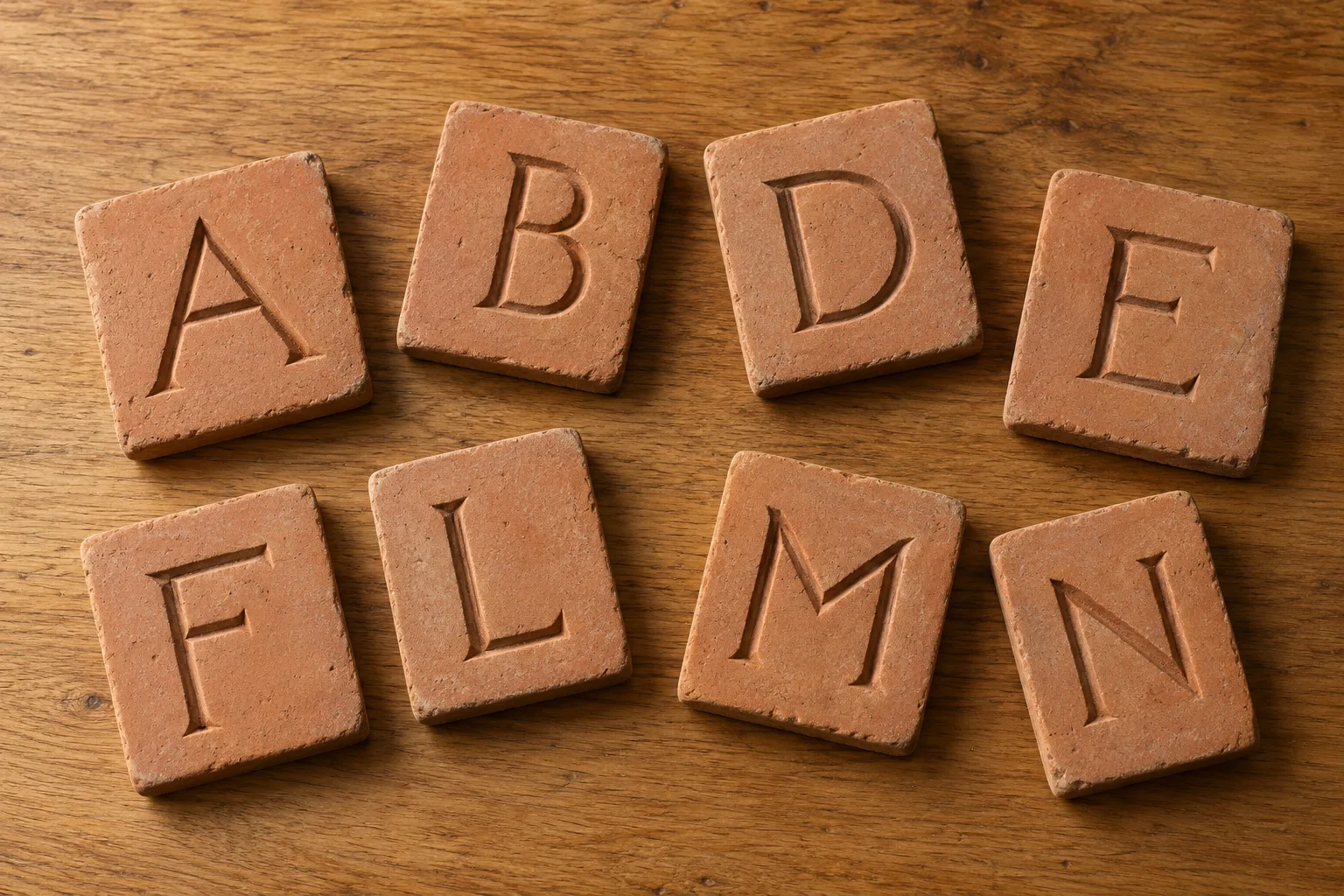
絵から文字へ―アルファベットの始まり
Two friends trace how Phoenician sound-based symbols evolved into the alphabets used across the world today.
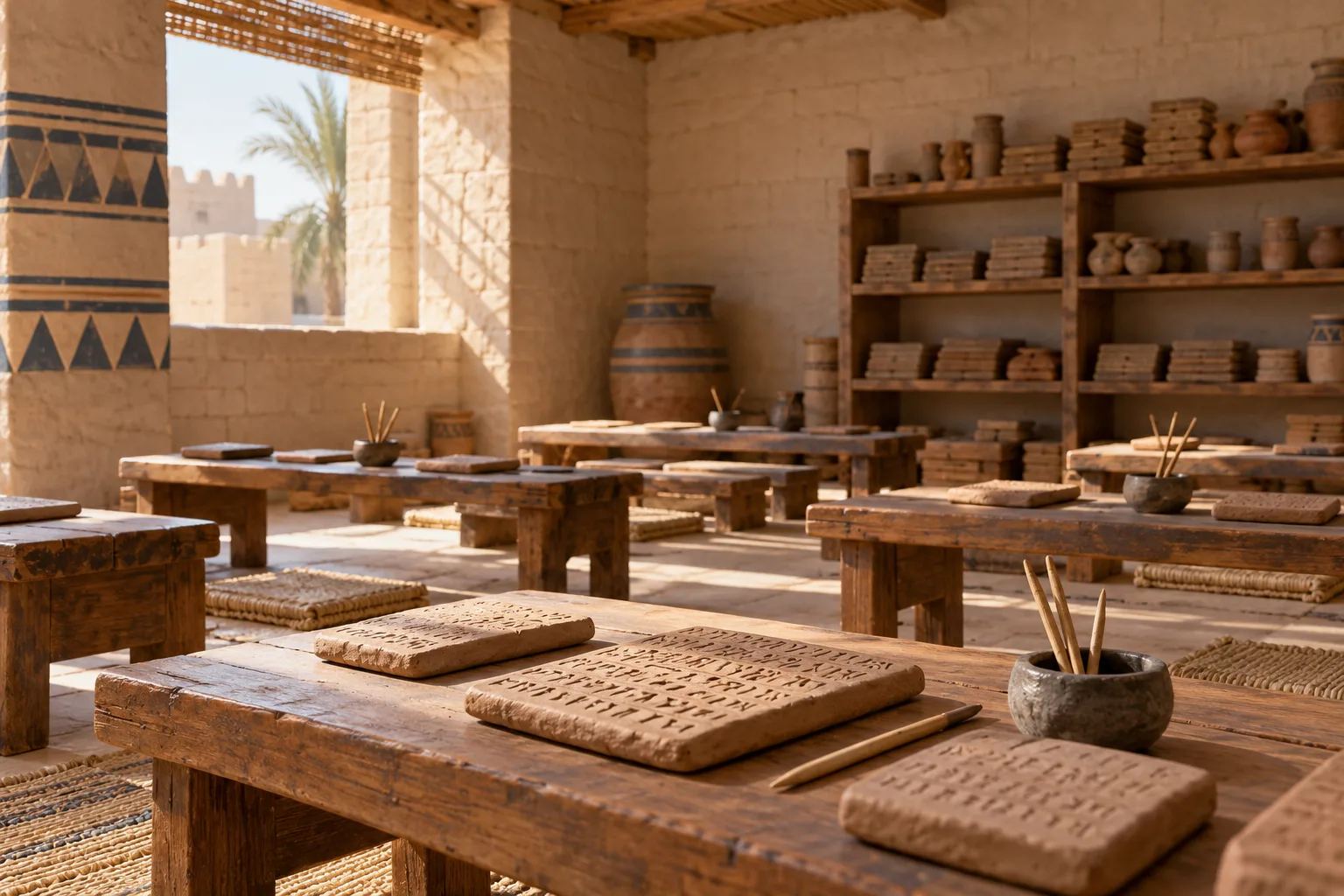
粘土板の学校
Two friends talk about how Mesopotamian children practiced writing on clay tablets in early schools.
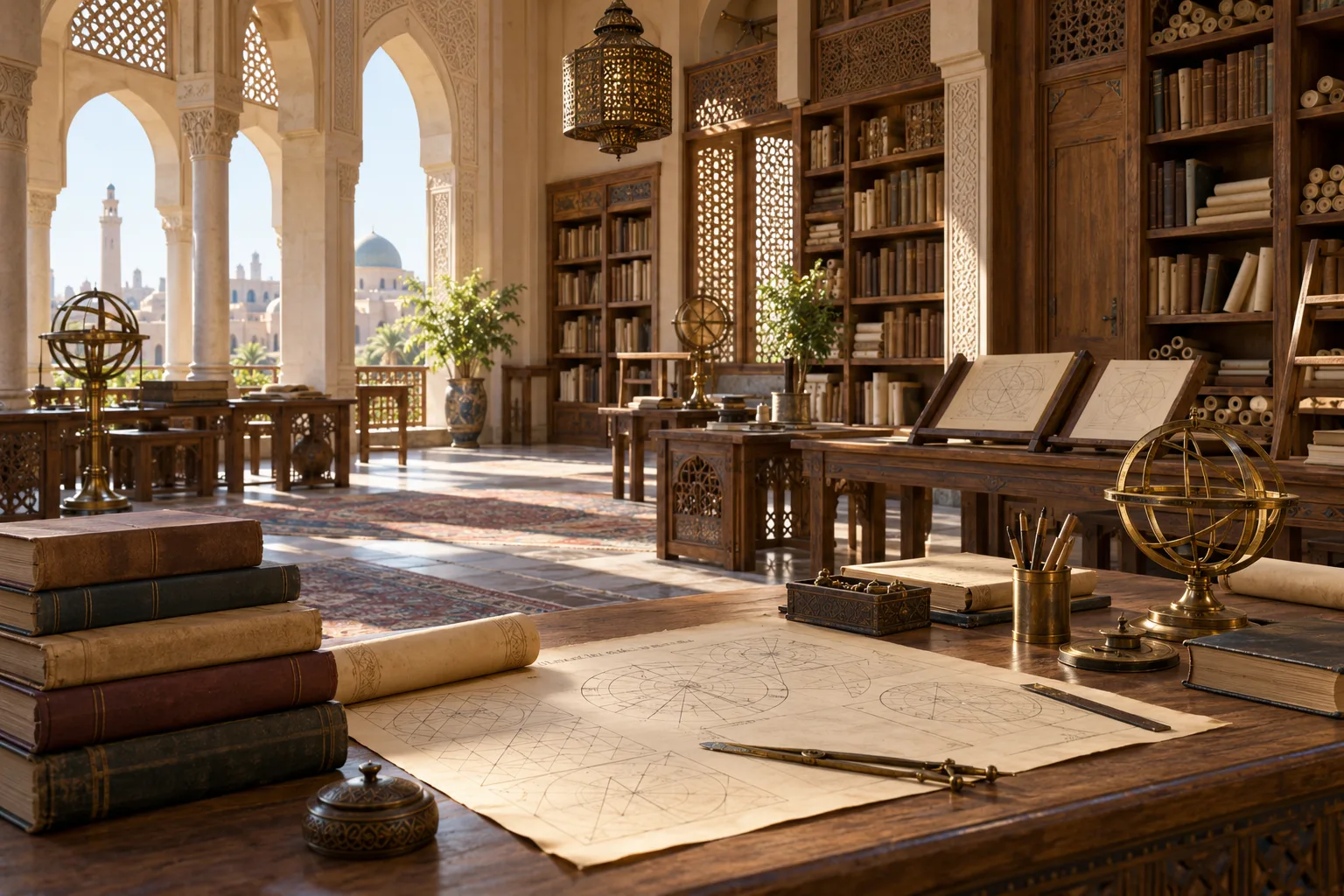
バグダッドの知恵の館
A teacher explains how scholars in Baghdad's House of Wisdom translated and advanced knowledge from many lands.
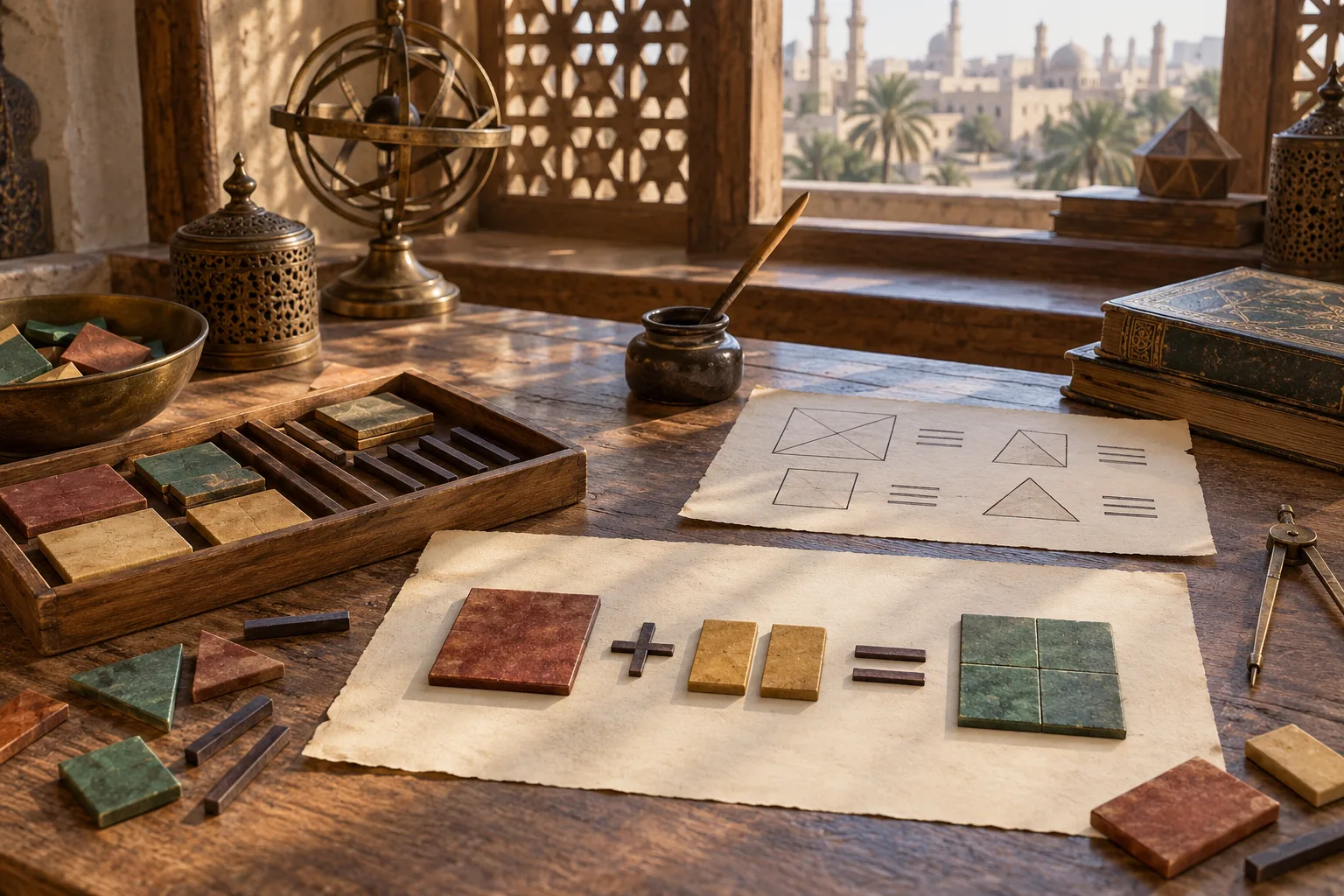
アル=フワーリズミーと代数学の始まり
Two friends discuss how the ninth-century scholar al-Khwarizmi systematized solving equations, founding algebra.
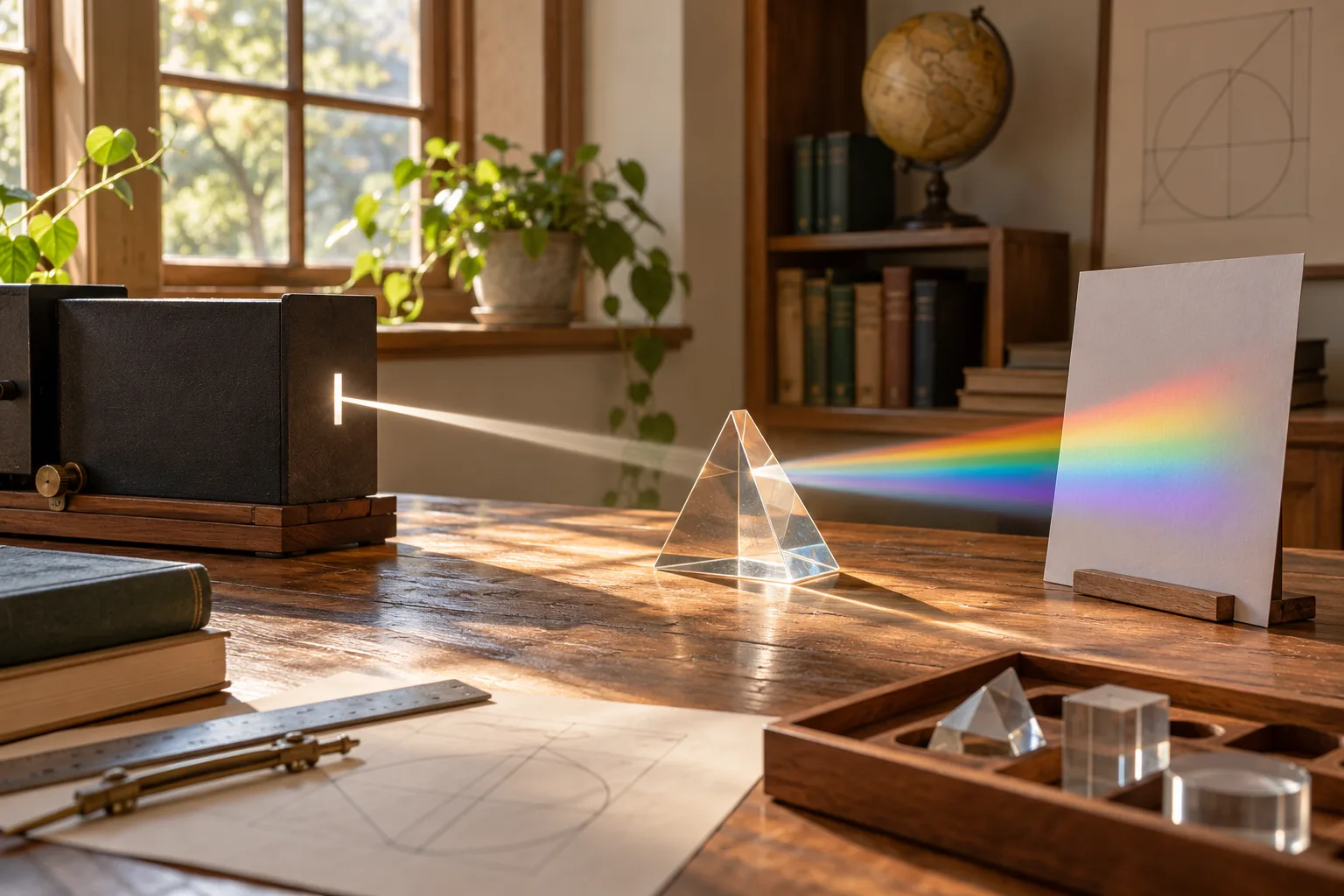
イブン・アル=ハイサムと光の研究
Two friends discuss how Ibn al-Haytham's experiments overturned old ideas about vision and founded the study of optics.
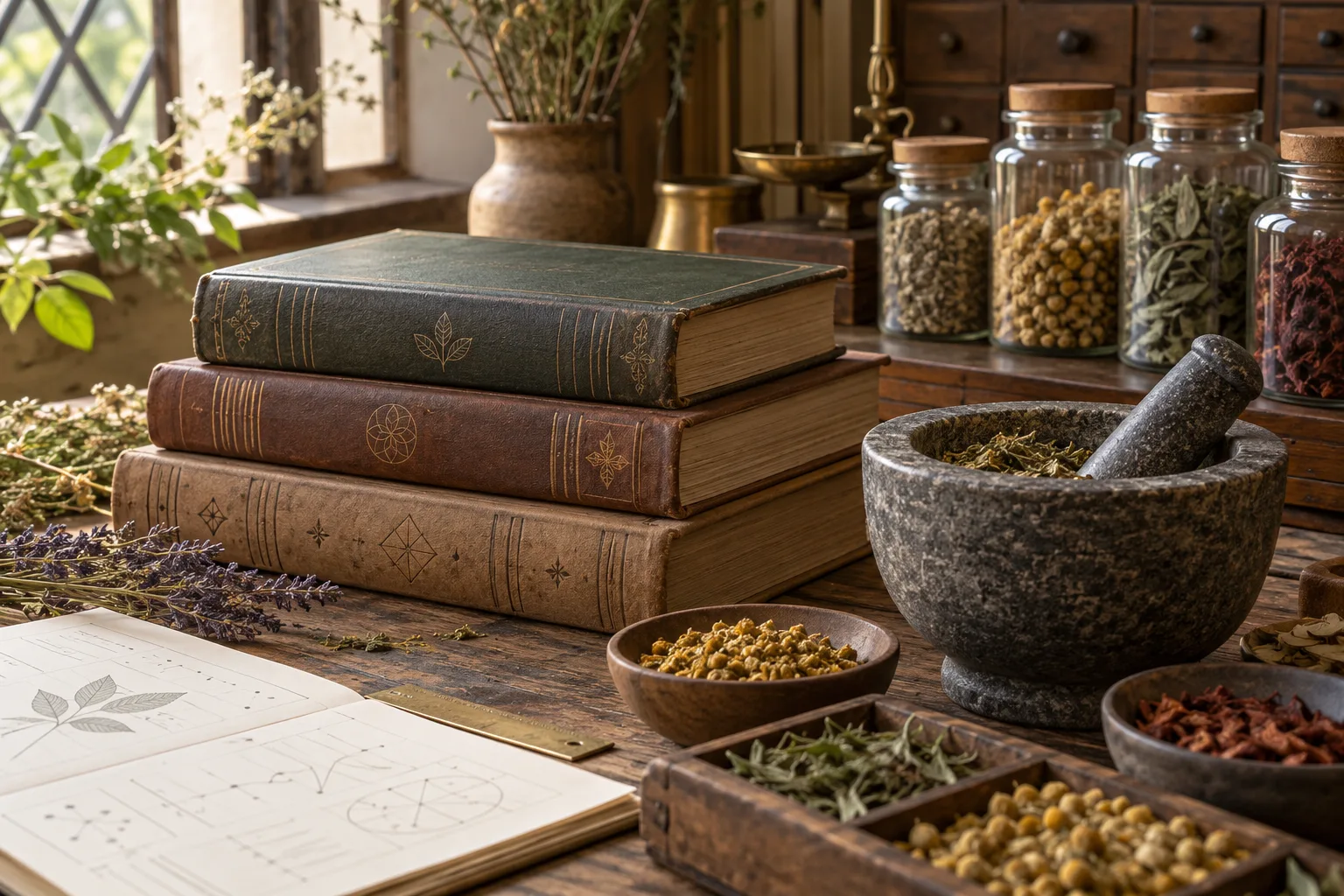
イブン・スィーナーと医学典範
Two friends talk about how Ibn Sina's Canon of Medicine became a standard textbook for centuries.
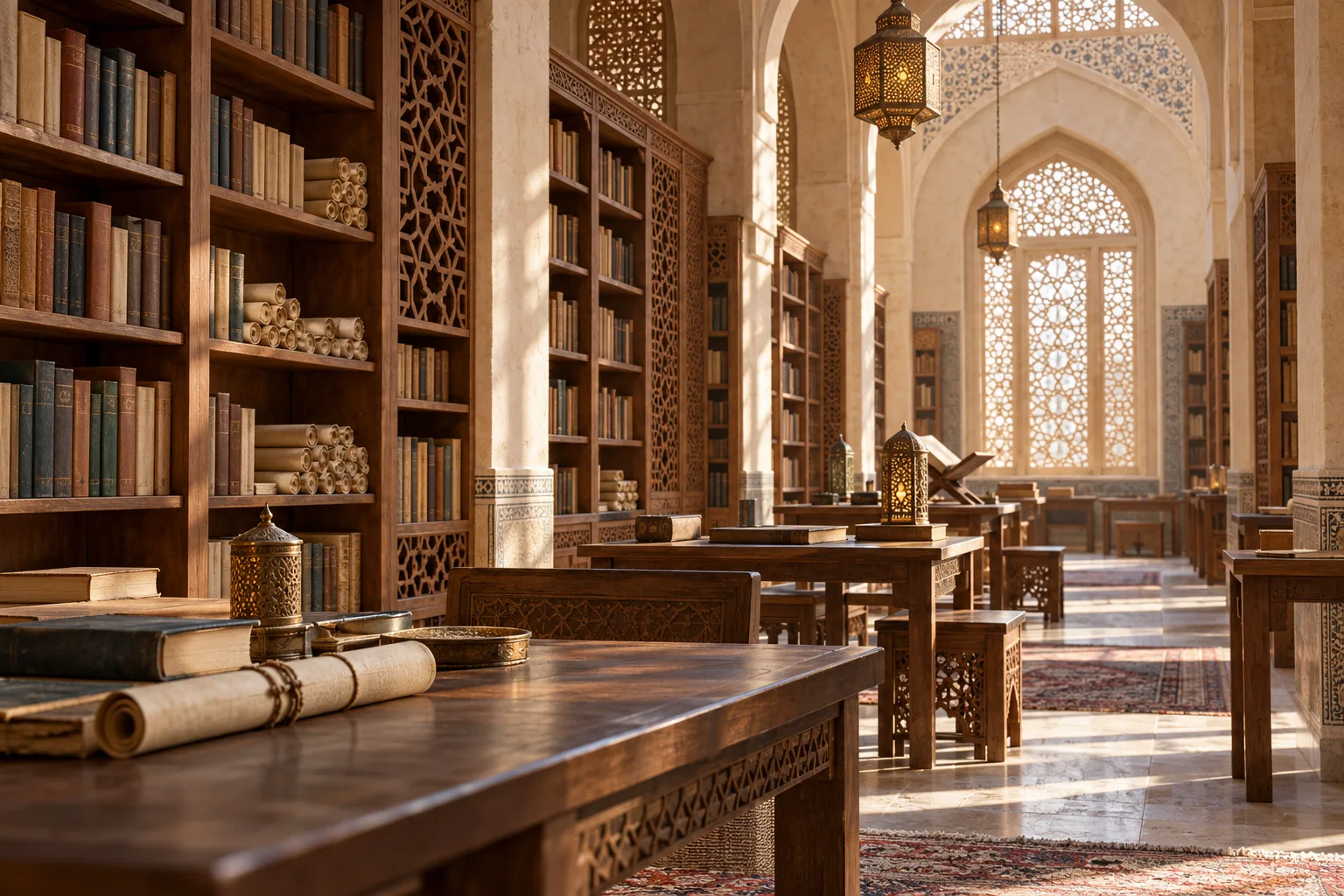
イスラーム世界の大きな図書館
Two friends talk about how libraries across the Islamic world welcomed scholars and everyday learners alike.
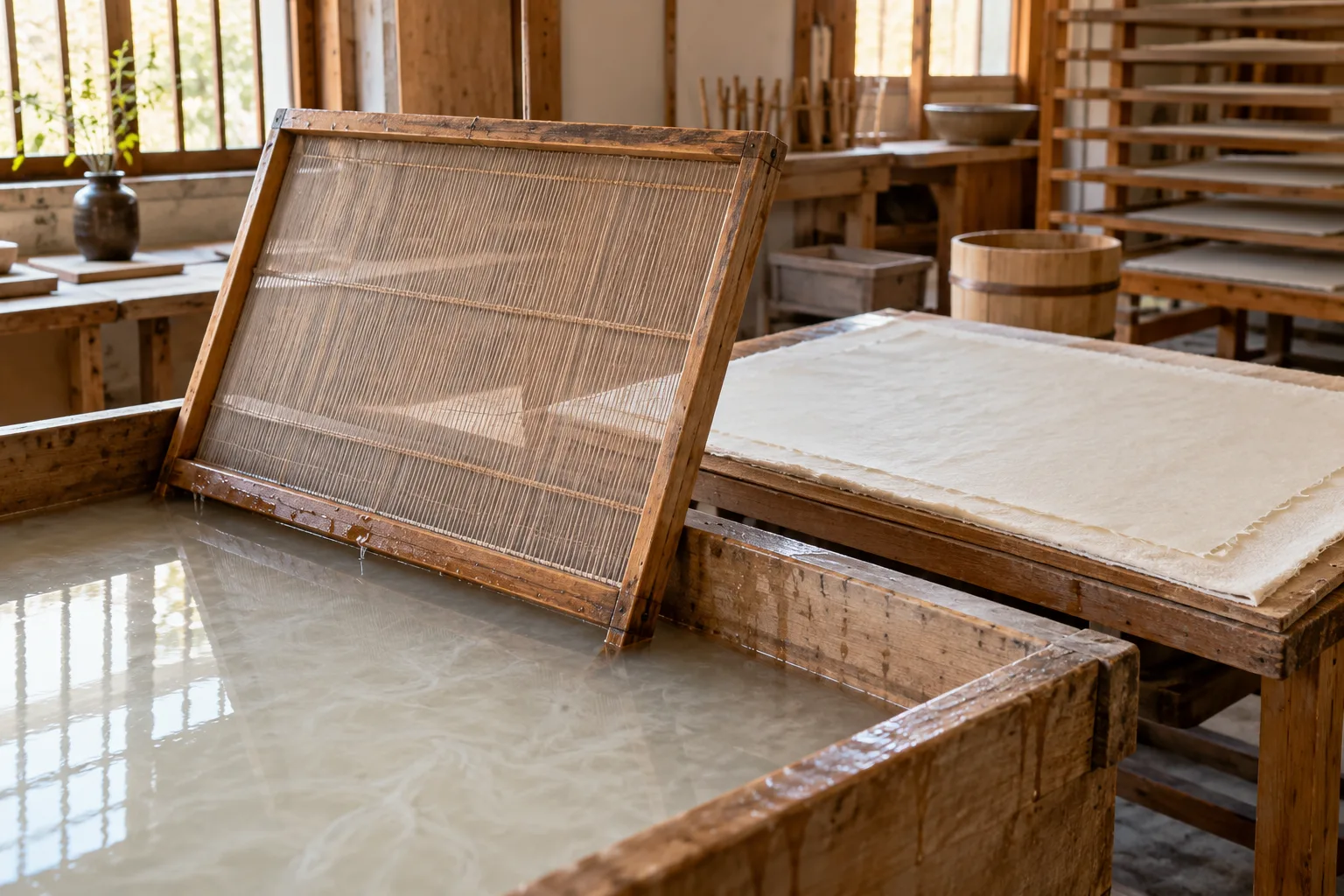
紙の技術とイスラーム世界
Two friends discuss how papermaking technology travelled from China to the Islamic world and spread knowledge.
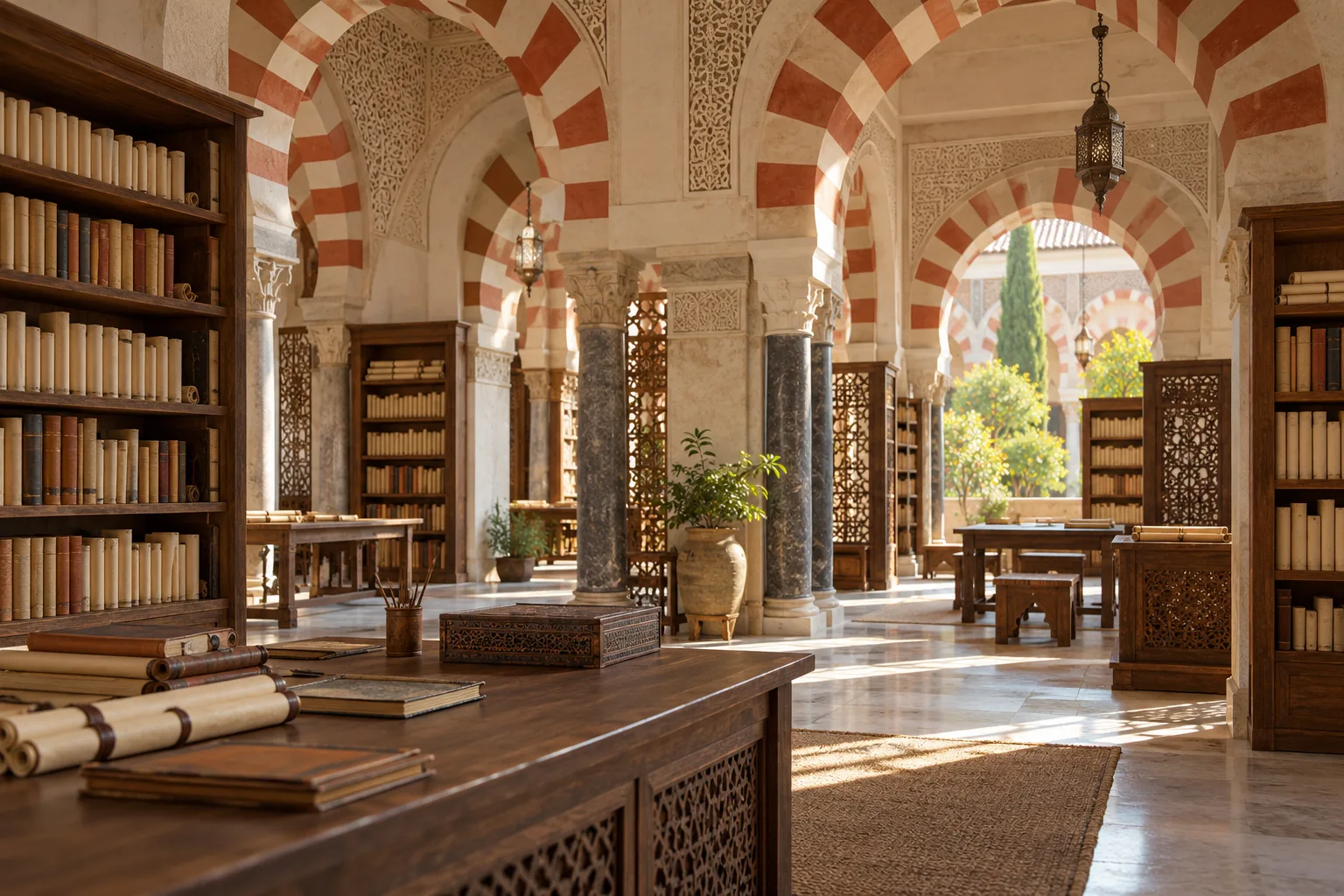
コルドバの大きな図書館
Two friends talk about the enormous library that once stood in Córdoba during the height of Islamic Spain.
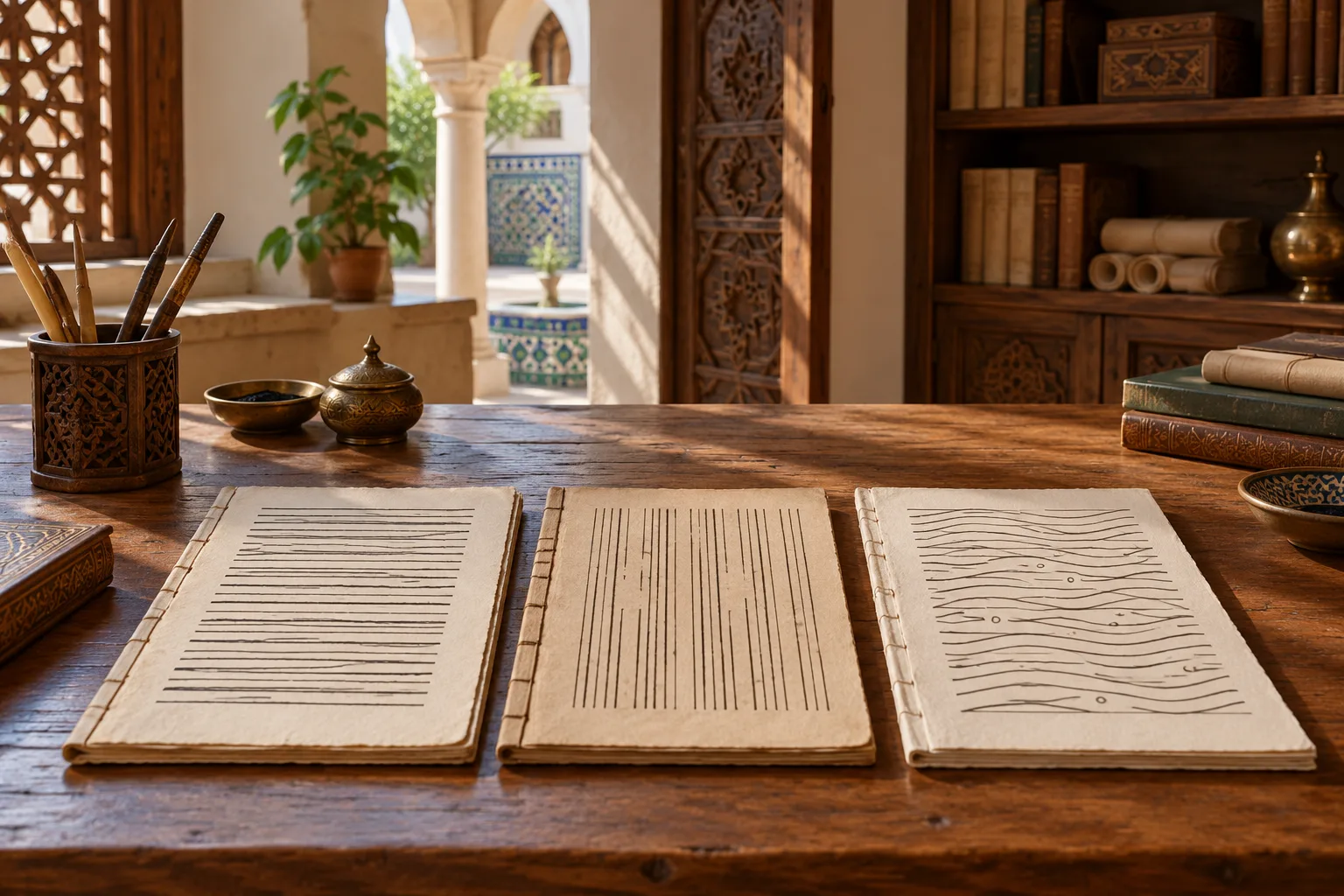
アンダルスの学者たちと翻訳の動き
Two friends discuss how scholars in Islamic Spain translated ancient Greek knowledge, feeding it back into Europe.
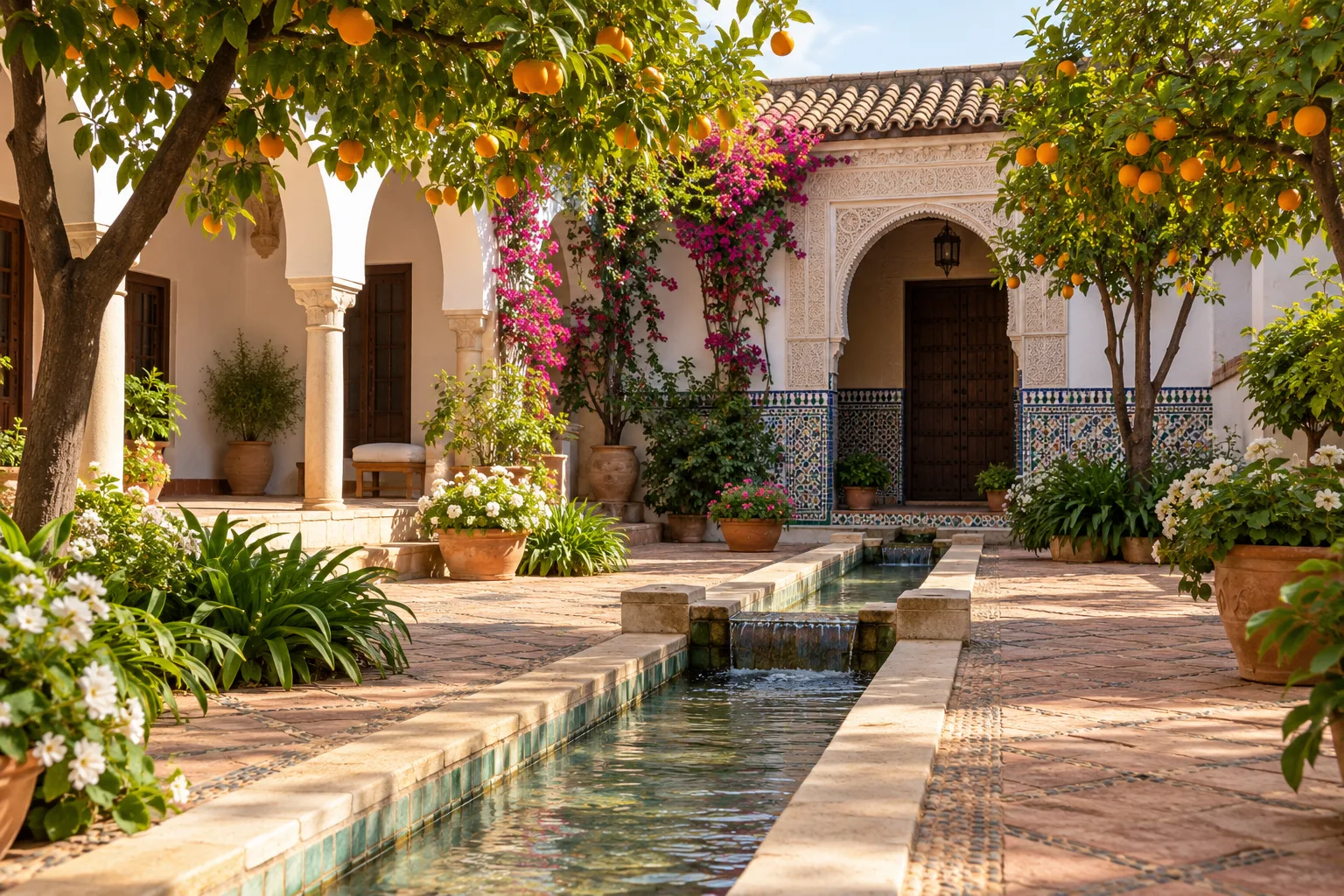
イスラームのスペインと水路の庭
Two friends talk about how carefully channeled water let Islamic Spain grow lush gardens in dry land.
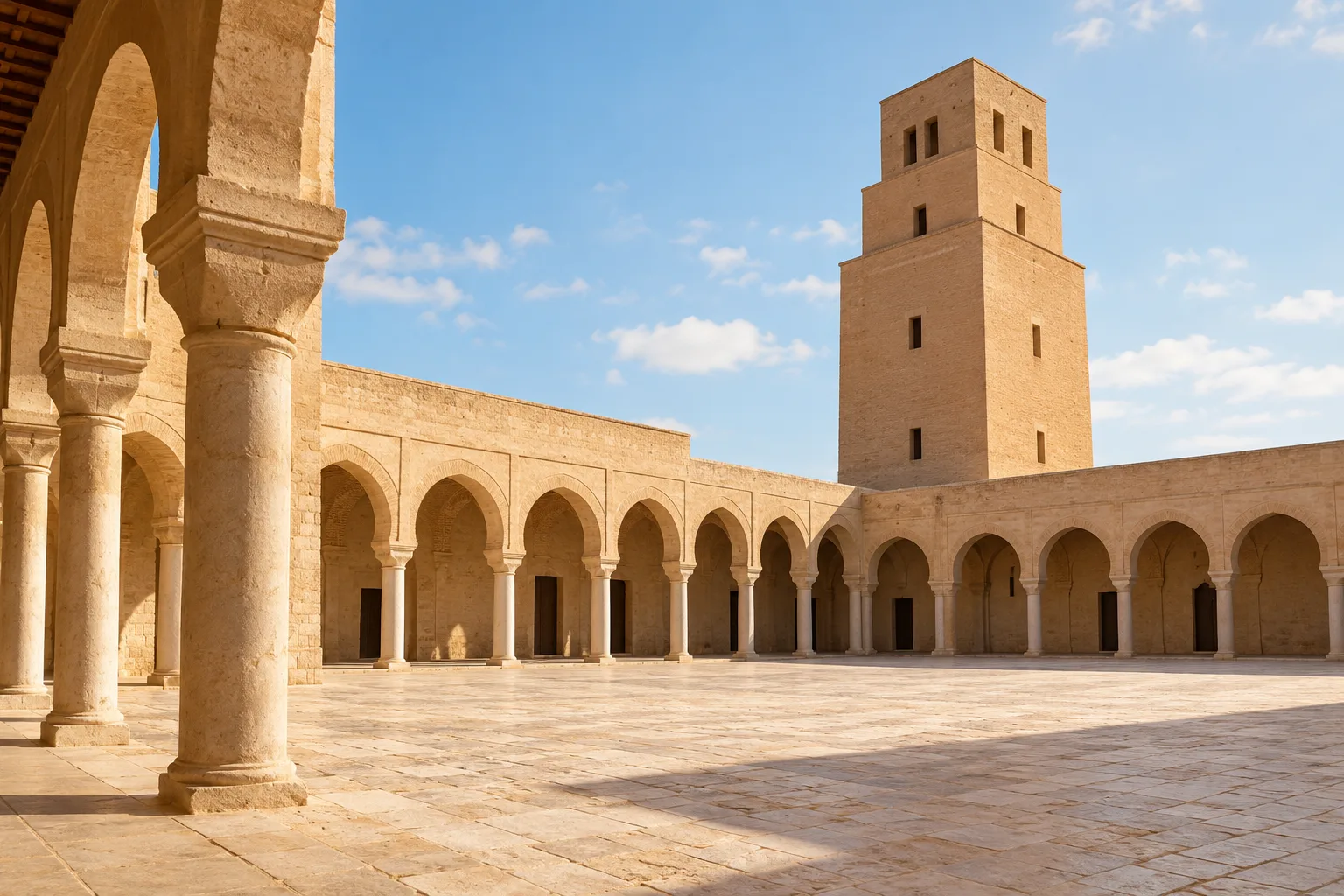
カイルワーンの大モスクの建築
A teacher explains the courtyard, tower, and reused columns that define the historic Great Mosque of Kairouan.
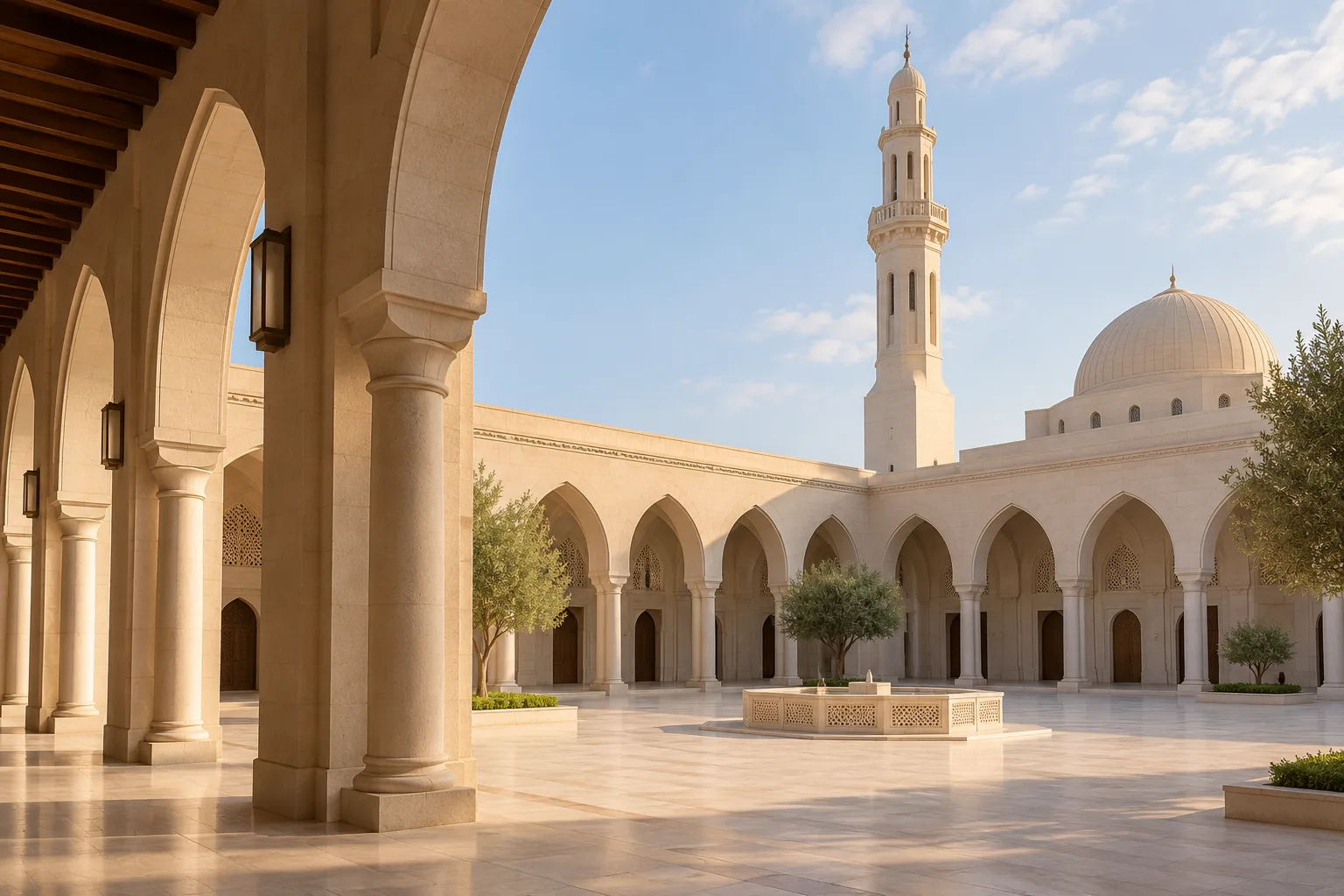
モスクの塔と中庭
Two friends talk about how a mosque's minaret and courtyard both serve the rhythms of prayer.
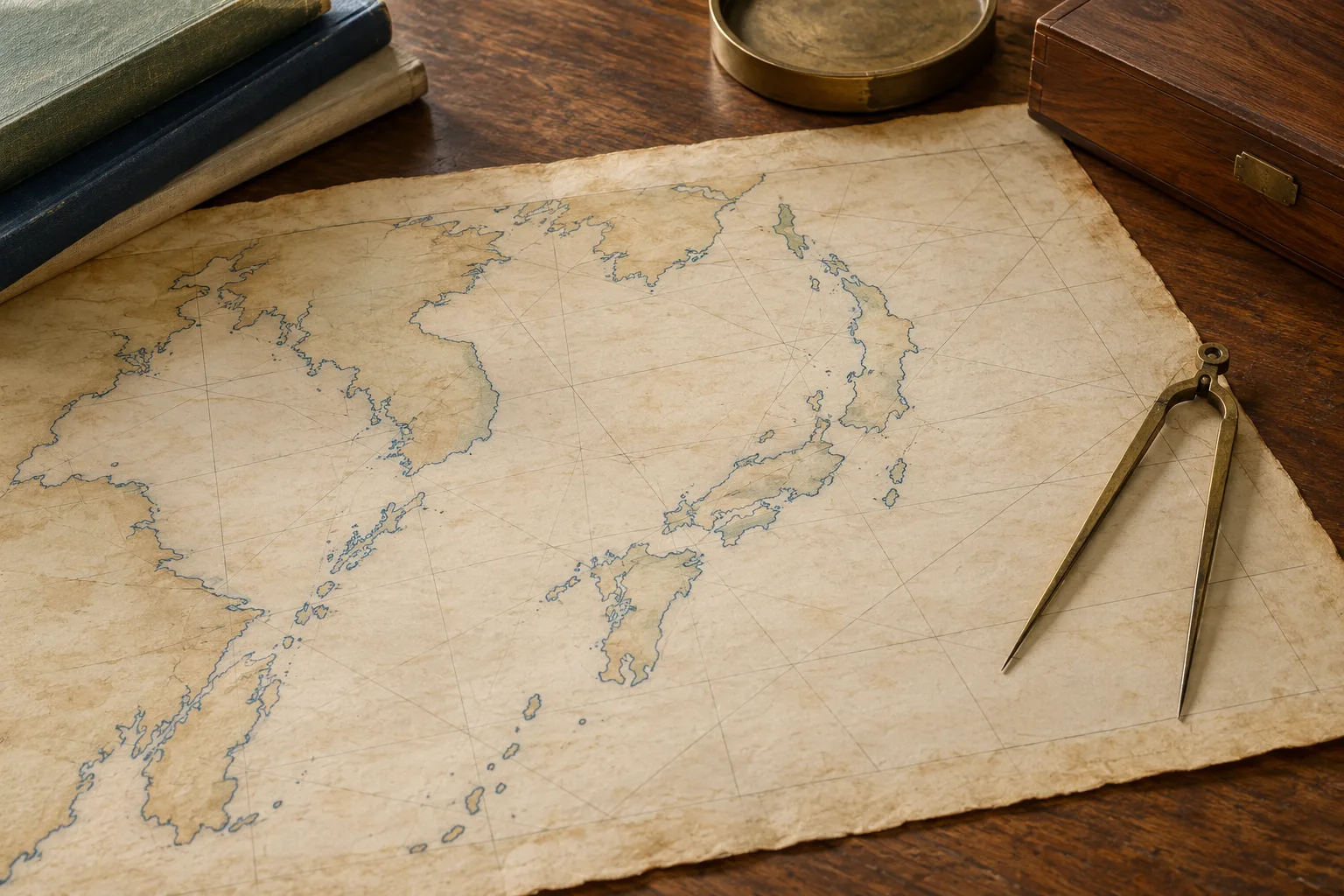
海の古い地図
Two friends look at old sea maps in a museum and talk about how sailors used them to find their way before modern tools.
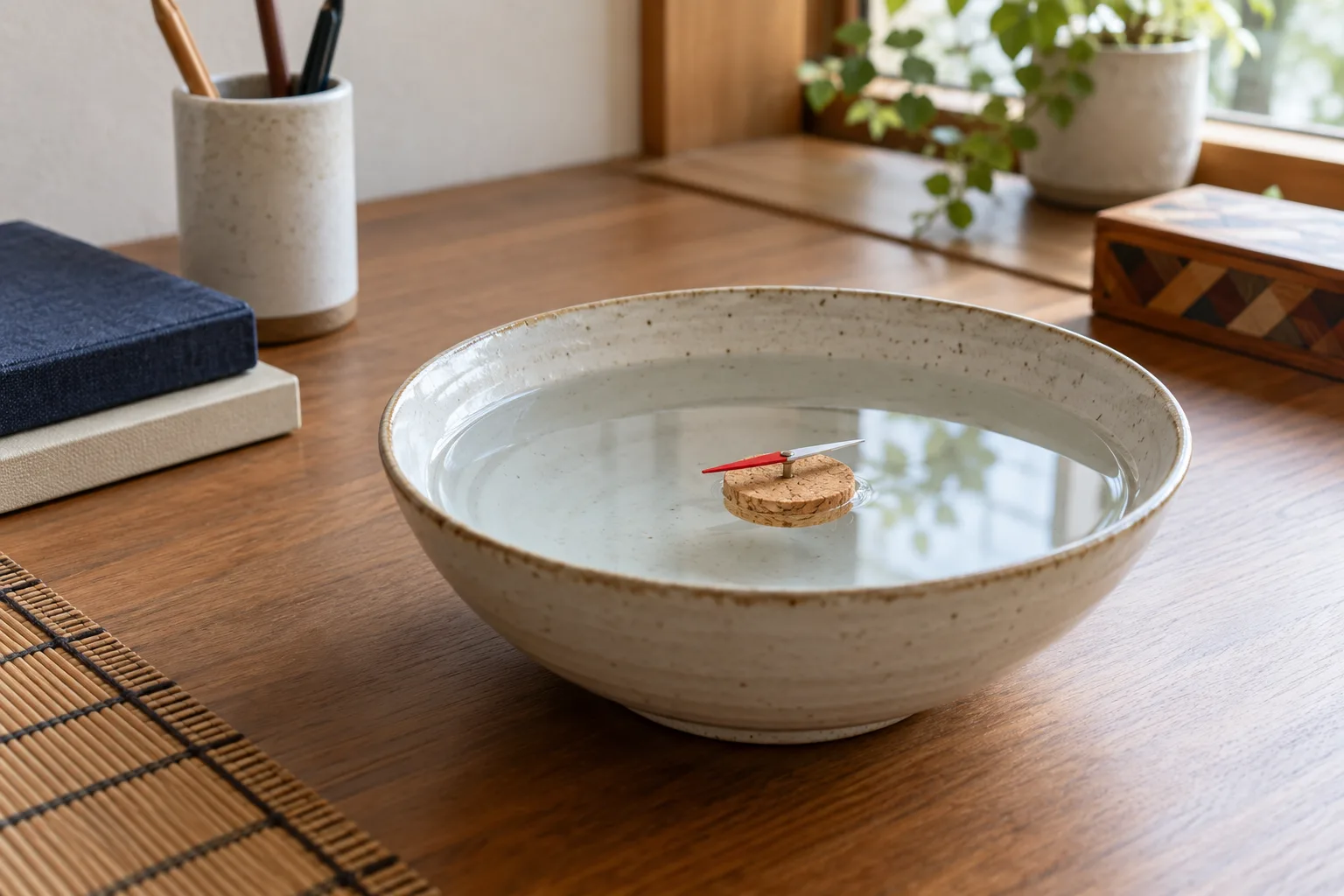
方位磁石の発明
A teacher and a student discuss how the magnetic compass was invented in ancient China and changed sea travel.
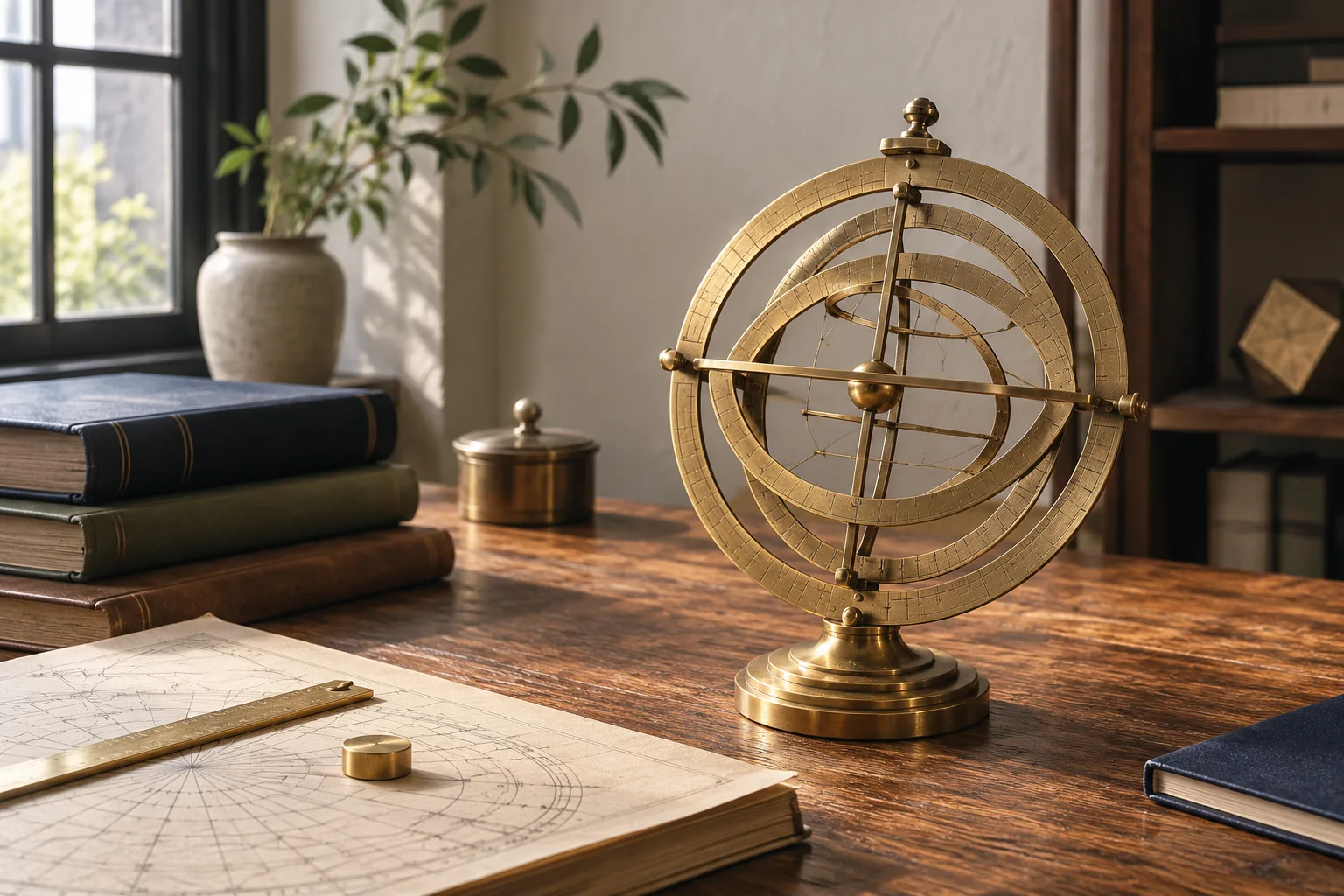
アストロラーベと星の航法
A teacher explains to a student how the astrolabe let astronomers and sailors measure the stars to find direction and the time for prayer.
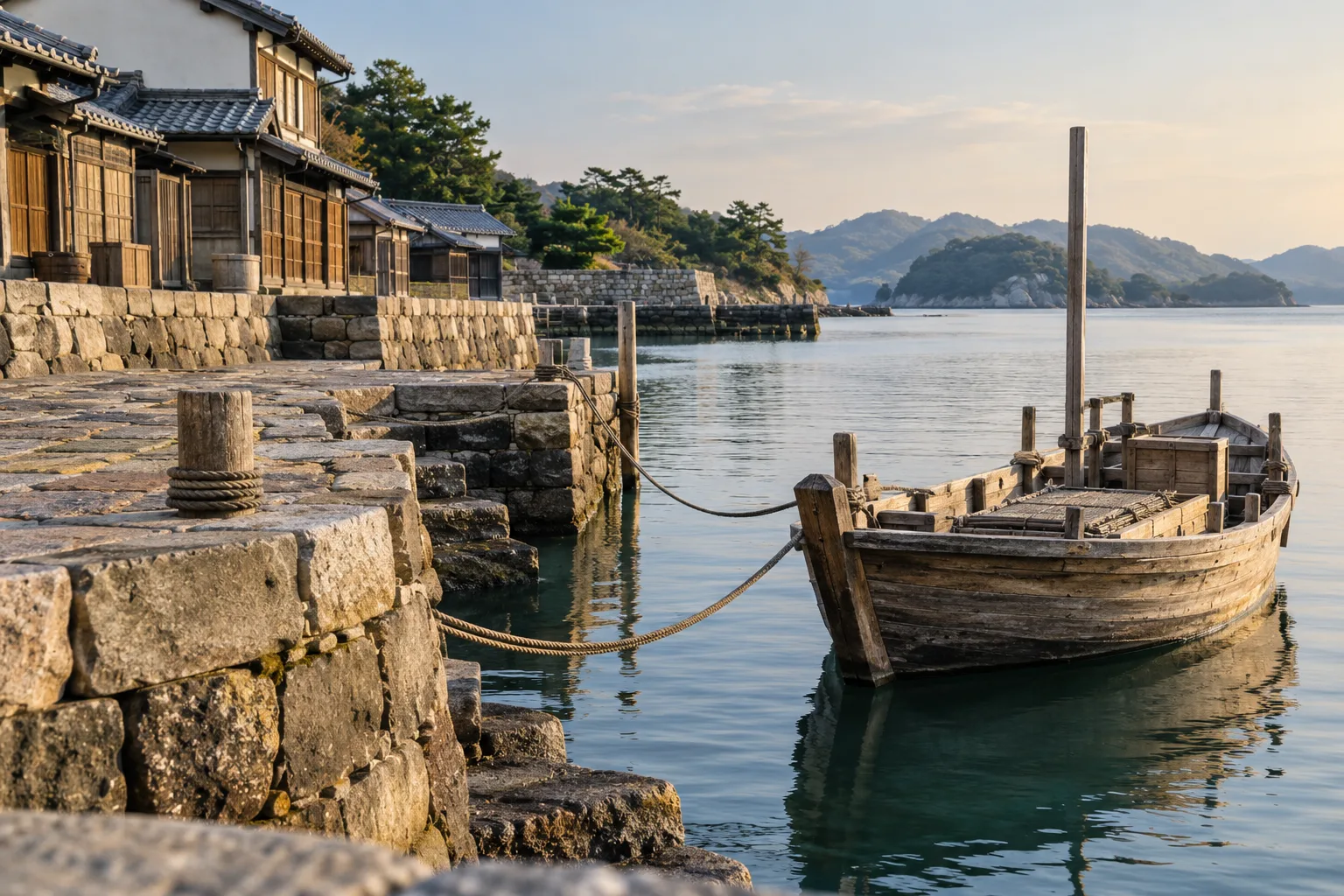
昔の貿易港
Two friends walk through an old port town and imagine ships loading spices and cloth long ago.
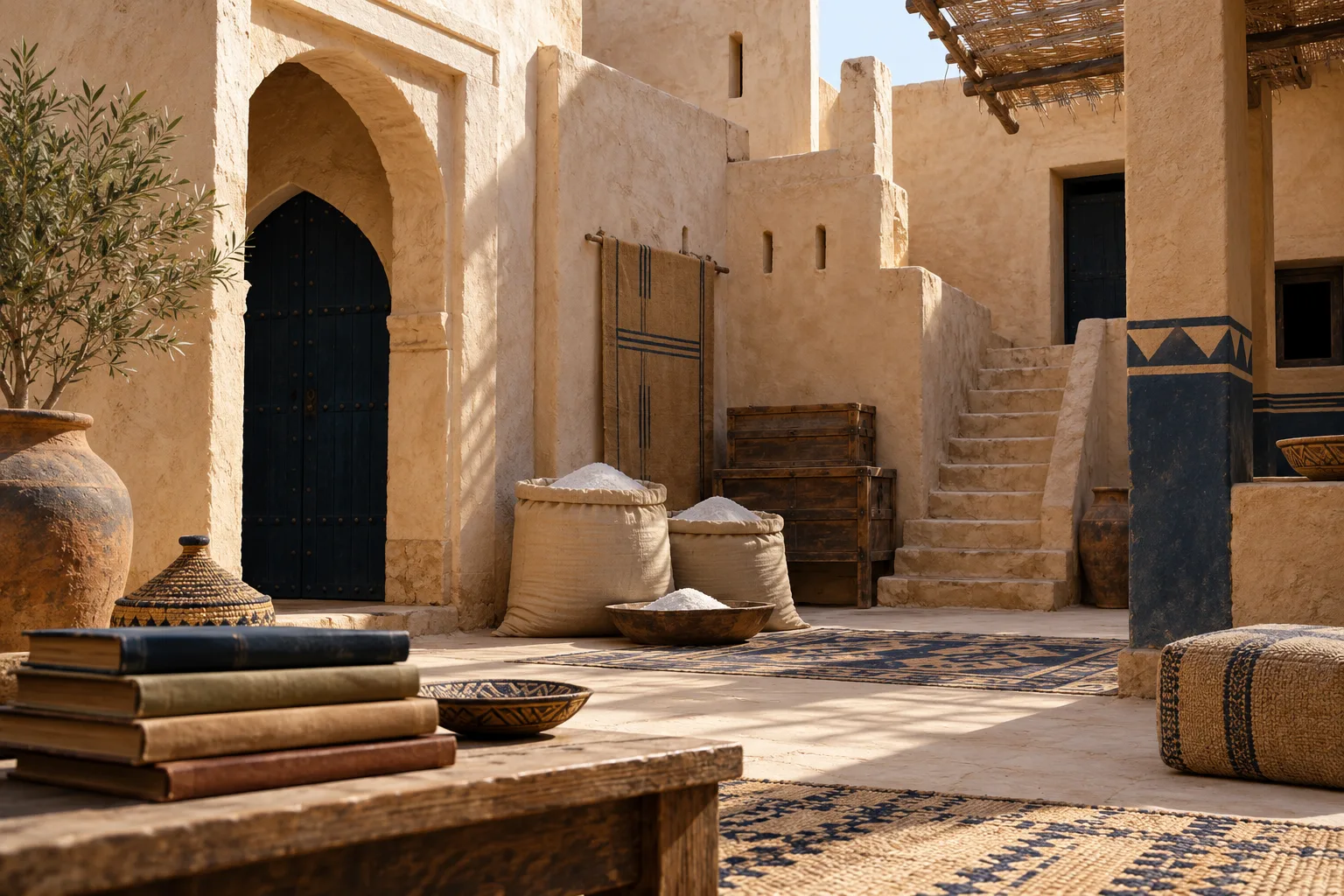
交易と本の都市ティンブクトゥ
Two colleagues discuss how the historic city of Timbuktu became a center of trans-Saharan trade and a home for scholars and manuscripts.
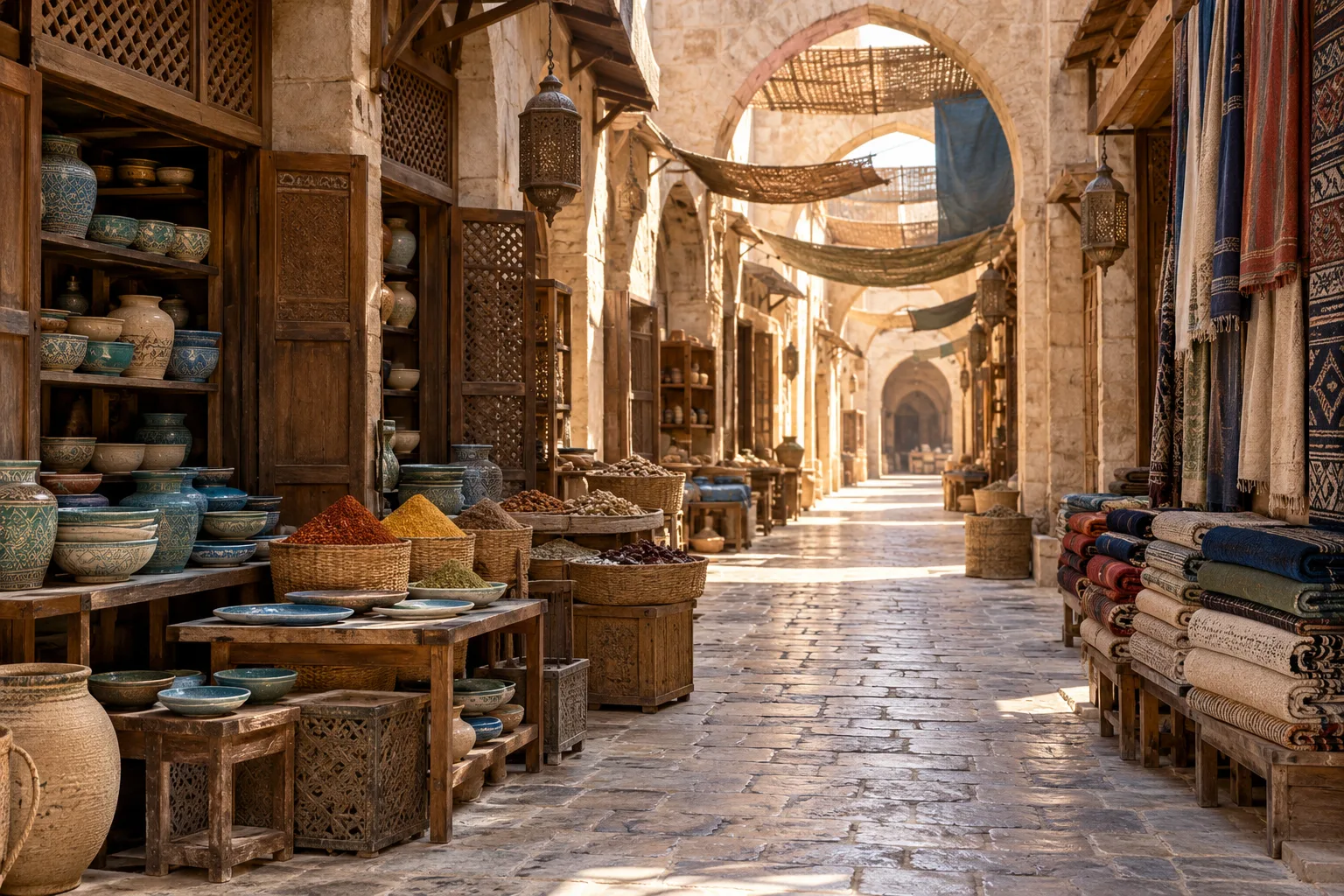
昔のバグダッドの市場
Two friends imagine the crowded markets of historic Baghdad, where merchants from many lands sold spices, cloth, and books.
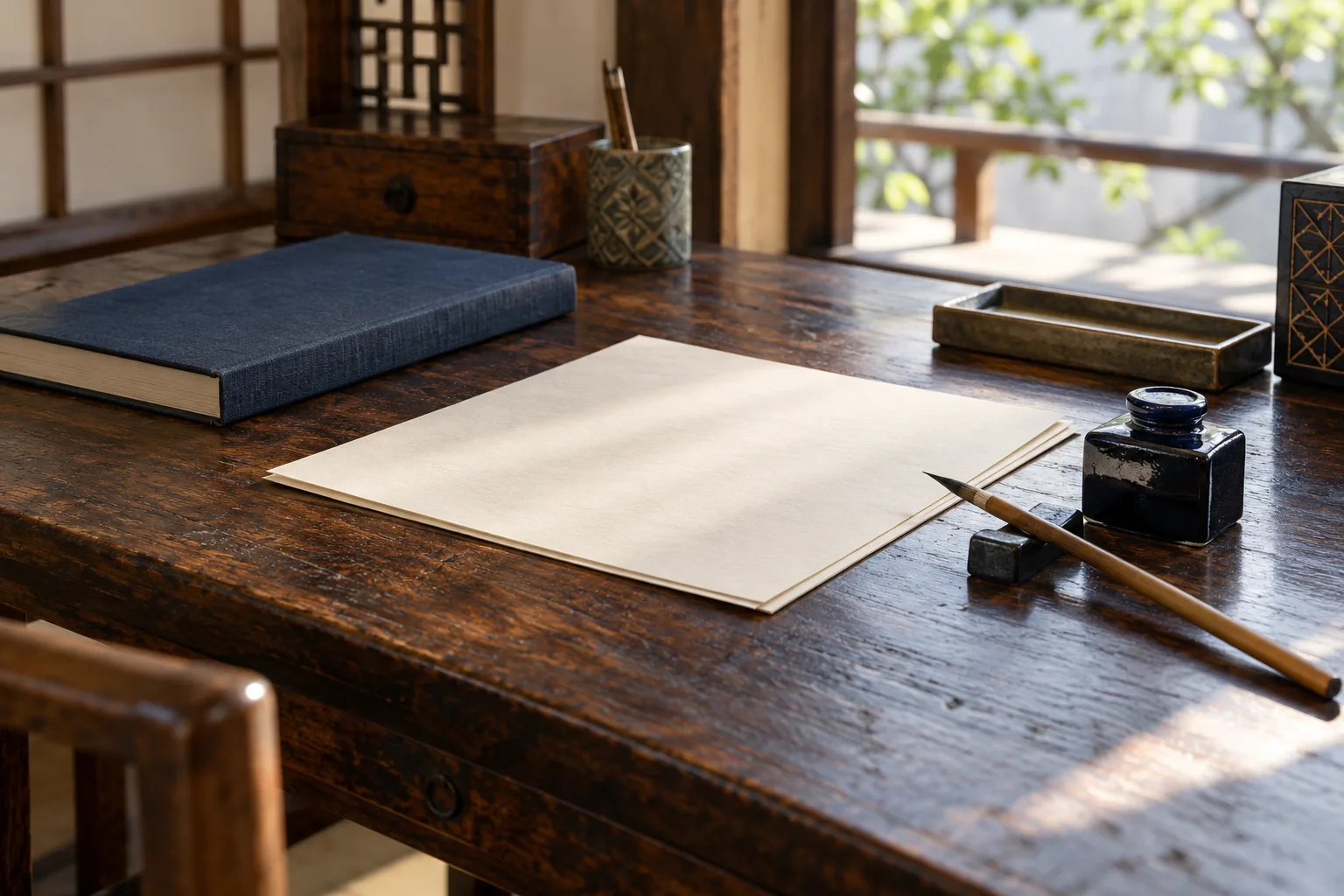
昔の本の写し方
Two students talk about how, before printing existed, people copied every book by hand, so books were rare and expensive.