Read across five tongues.
Short articles and everyday conversations — Arabic fully vowelled, Japanese with furigana — each with Thai sentence translations, tap-a-word glosses, and recorded narration where you see the audio badge.
750 conversations · page 22 of 32
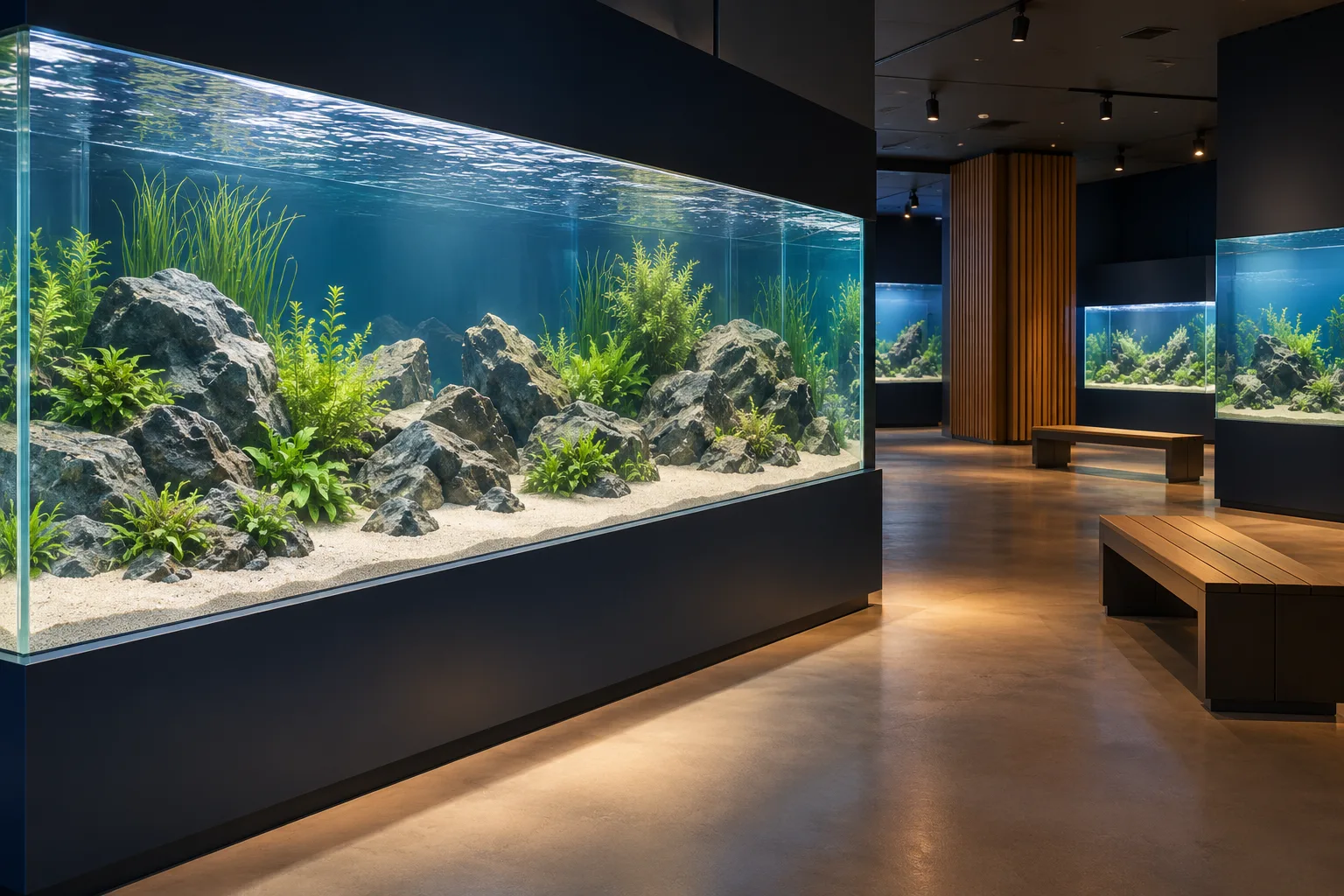
水族館の魚たち
Two friends admire colorful fish at the aquarium and learn about a clownfish living near an anemone.
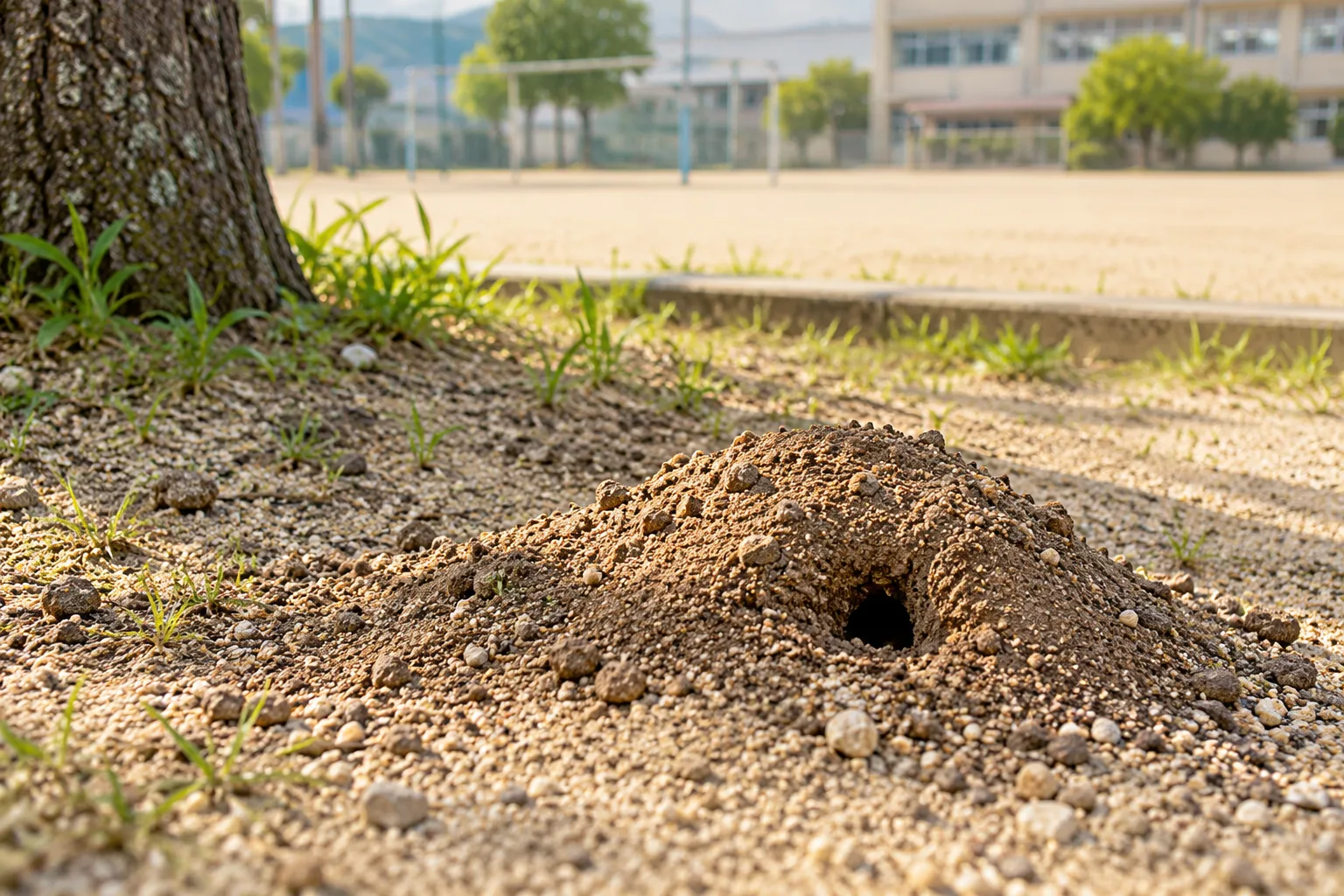
アリの観察
A teacher and a student observe an anthill and learn how ants divide their work and communicate.
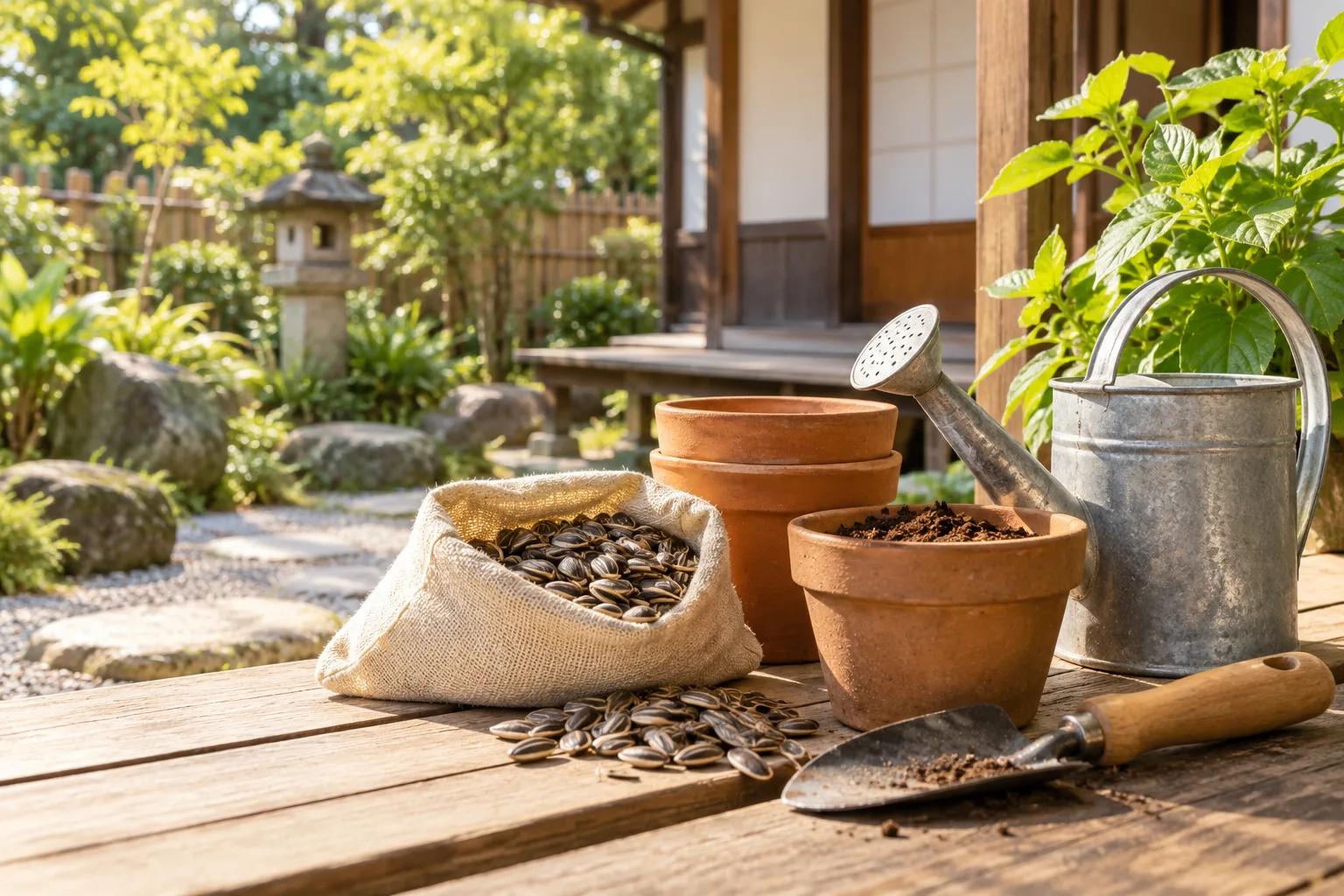
花を植えよう
A father and son plant sunflower seeds together and talk about how tall the flowers might grow.
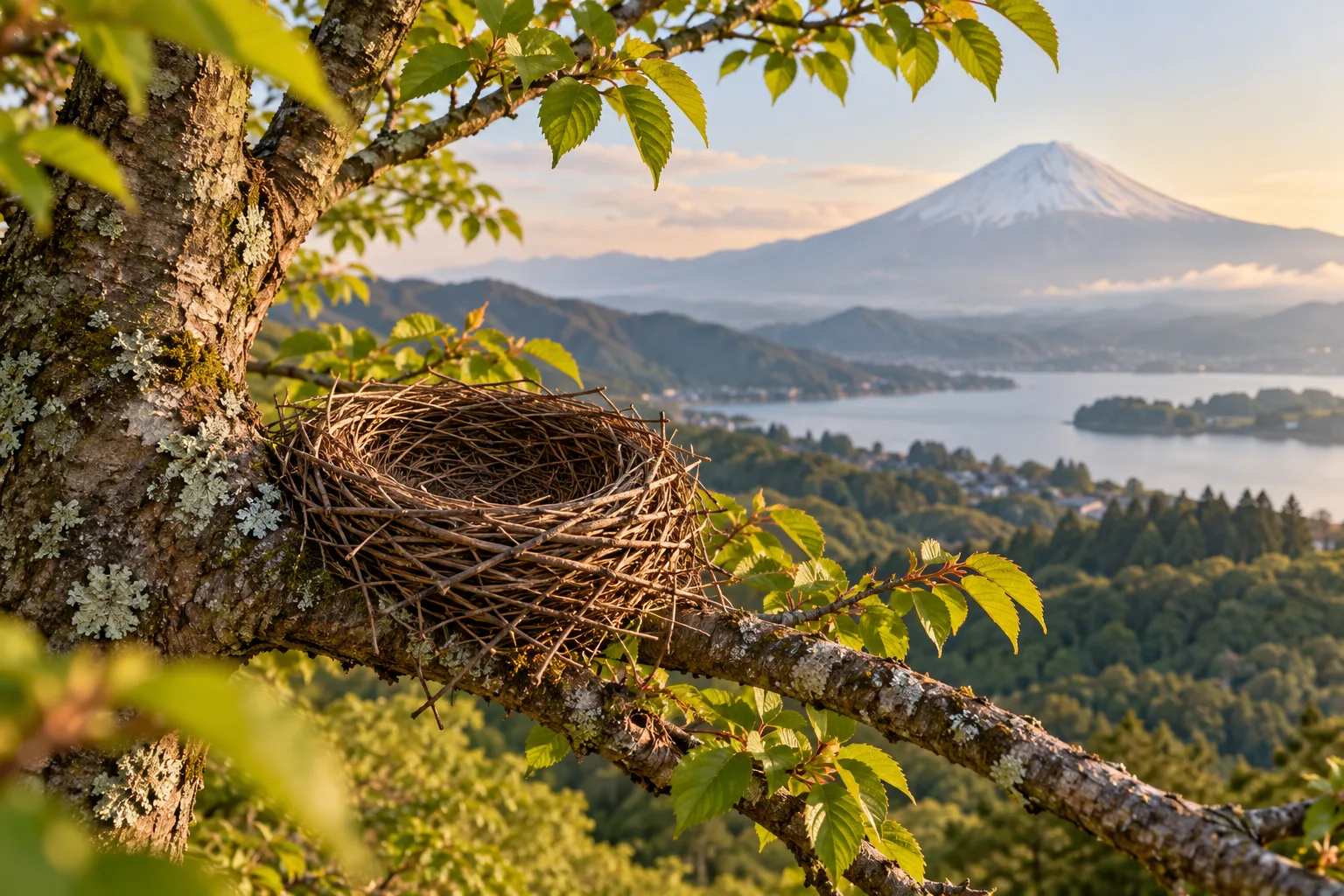
鳥の巣を見つけた日
Two friends find a nest with eggs in a tree and decide to watch quietly from a distance.
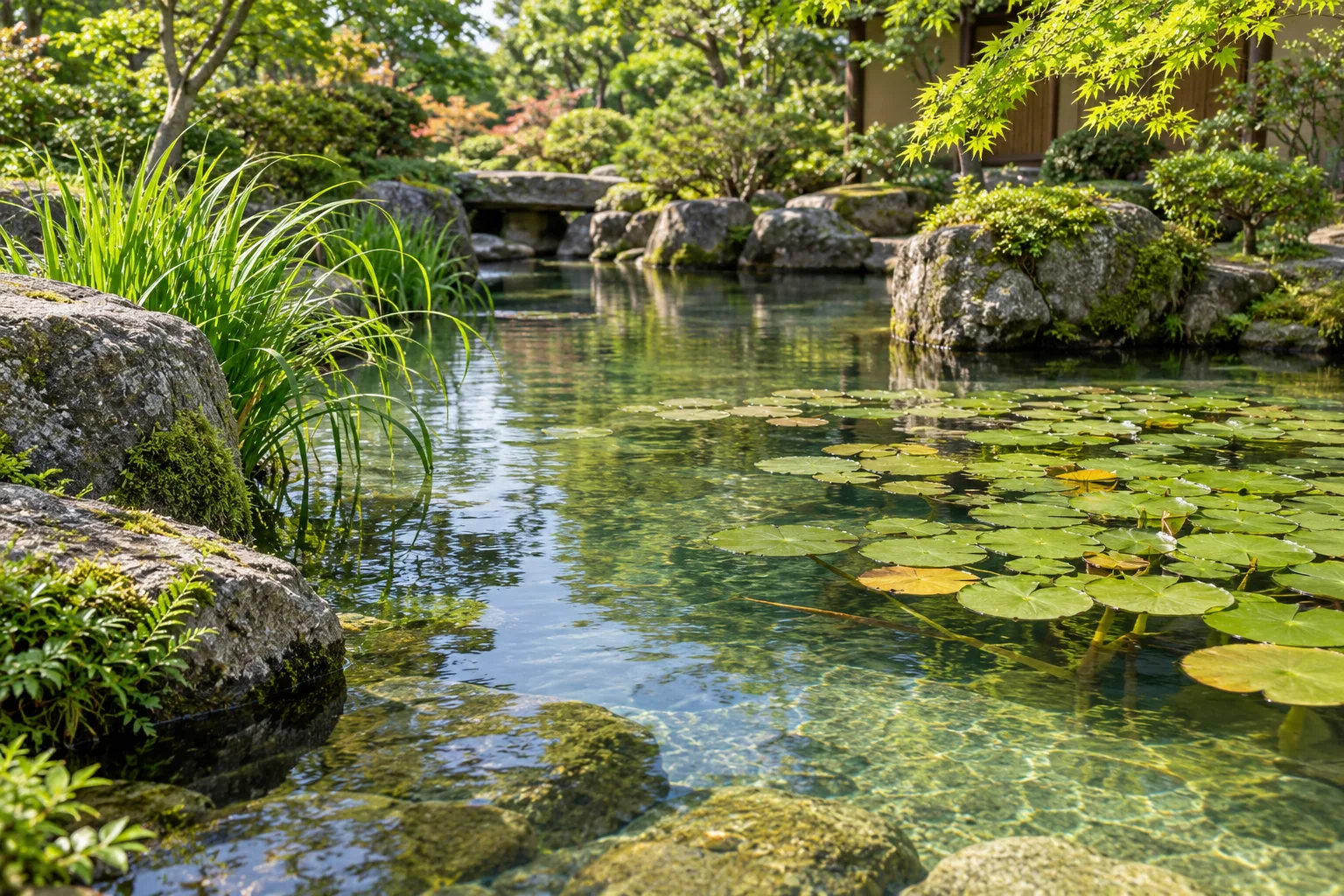
オタマジャクシからカエルへ
A grandmother and granddaughter watch tadpoles in a pond and talk about how they will grow into frogs.
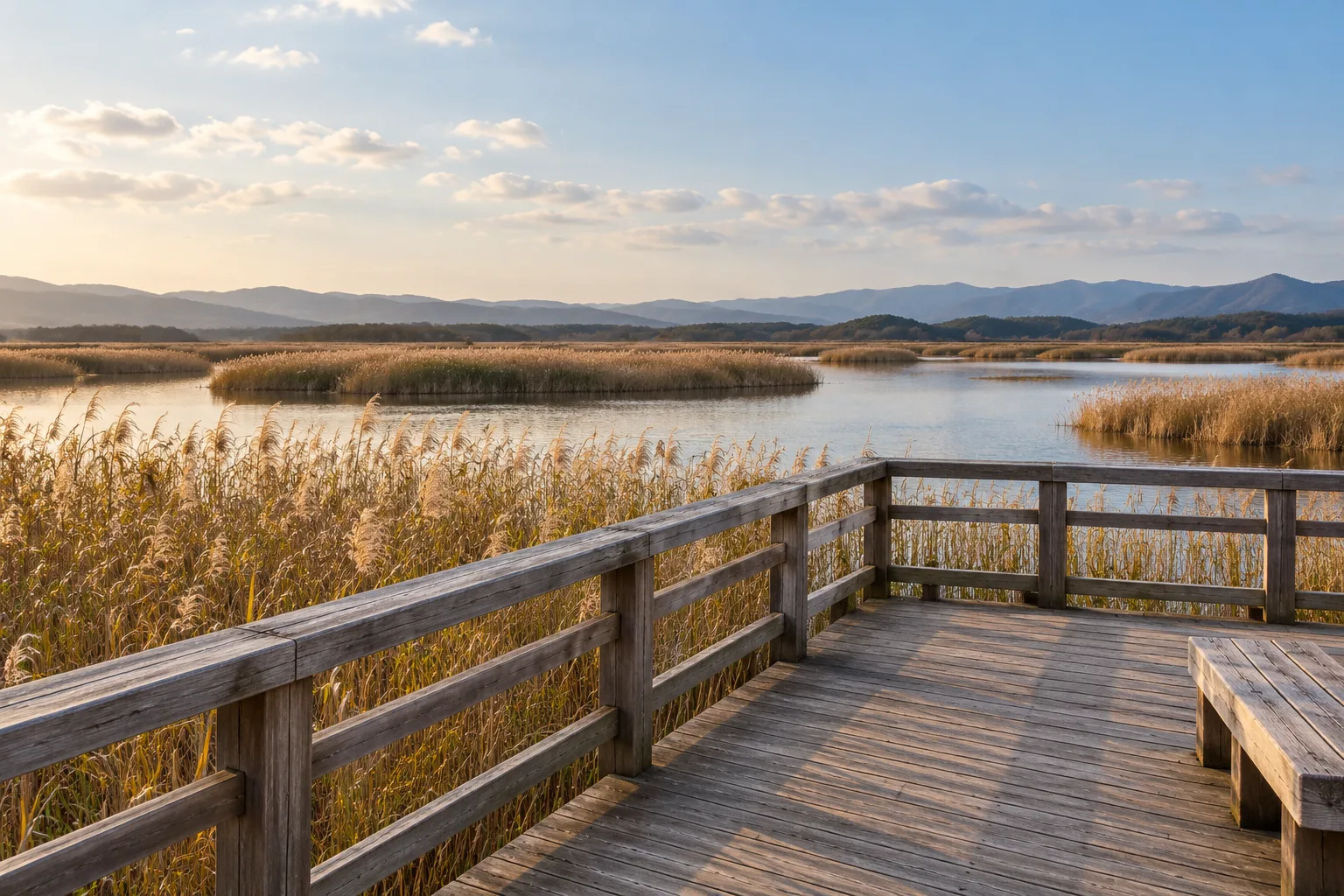
湿地で見た渡り鳥
Two friends discuss the migratory swans they saw at a wetland reserve and why protecting wetlands matters.
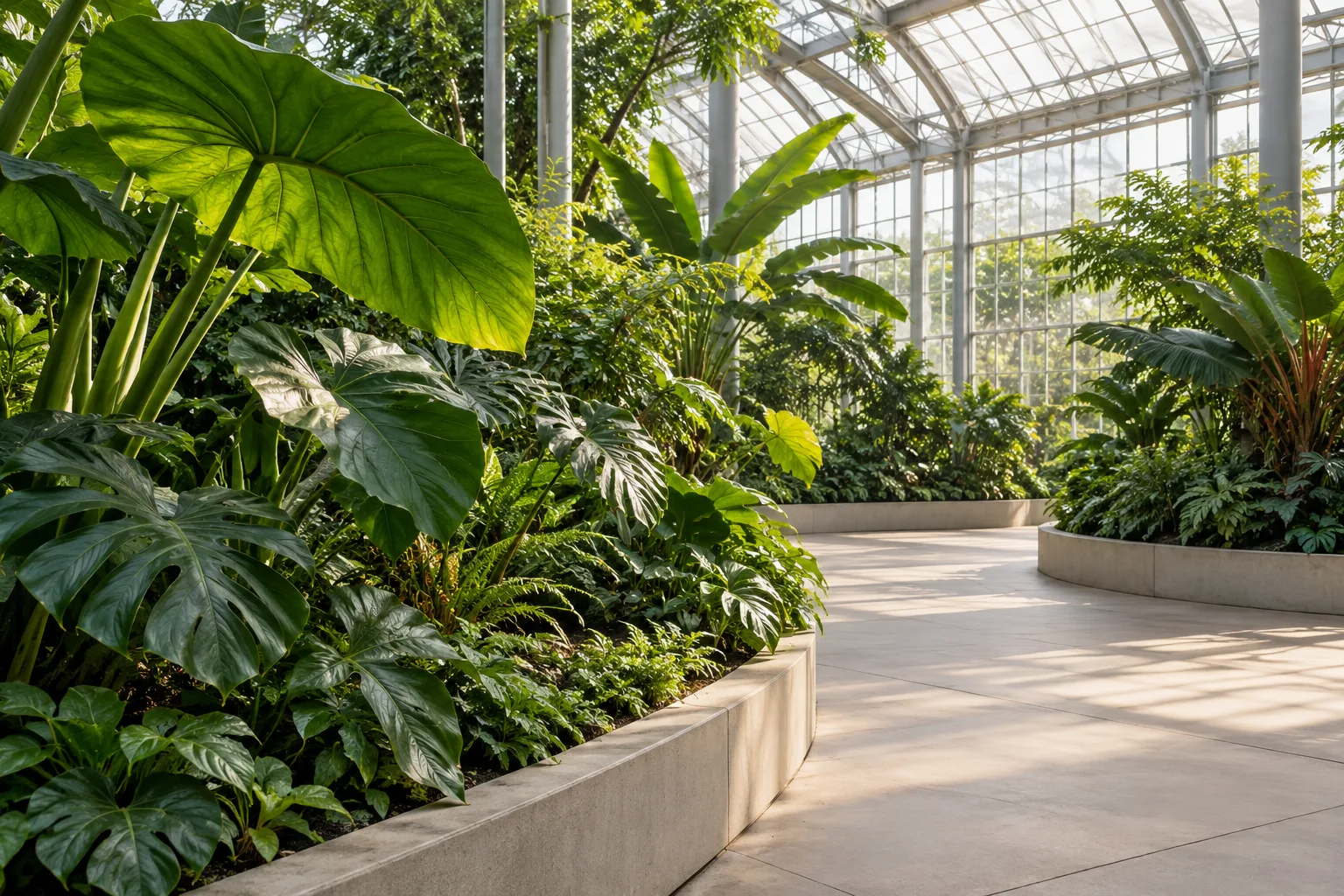
植物園の珍しい植物
A guide shows a visitor rare tropical plants, including one with a giant flower and carnivorous plants that trap insects.

サンゴ礁のドキュメンタリーを見て
Two coworkers discuss a documentary about coral reefs and how algae give coral its color and nutrition.
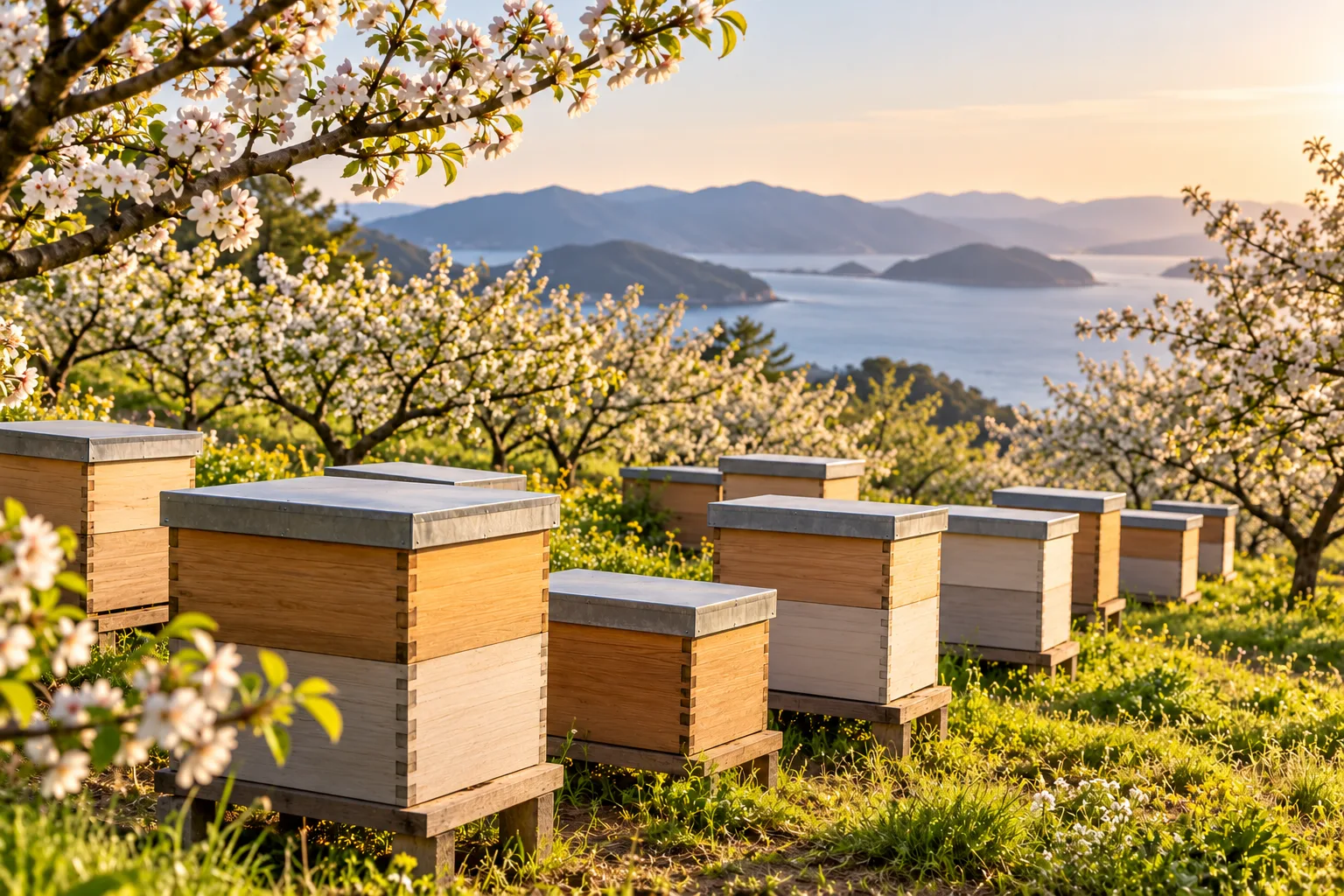
農業とミツバチの関係
A farmer explains to a student why beehives in his orchard are essential for pollinating fruit trees.
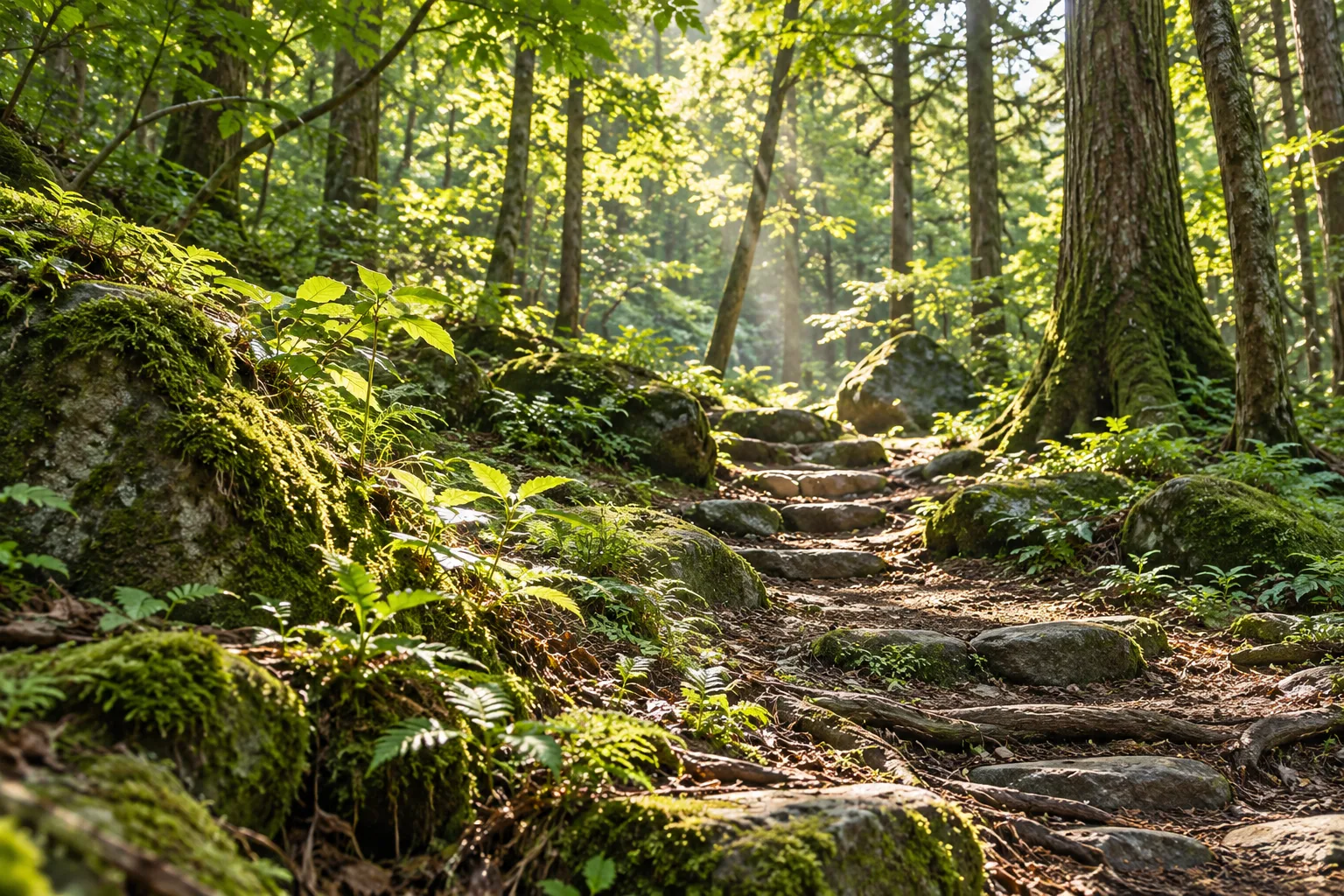
森の食物連鎖
A teacher explains the forest food chain to a student, showing how removing one animal can affect the whole balance.
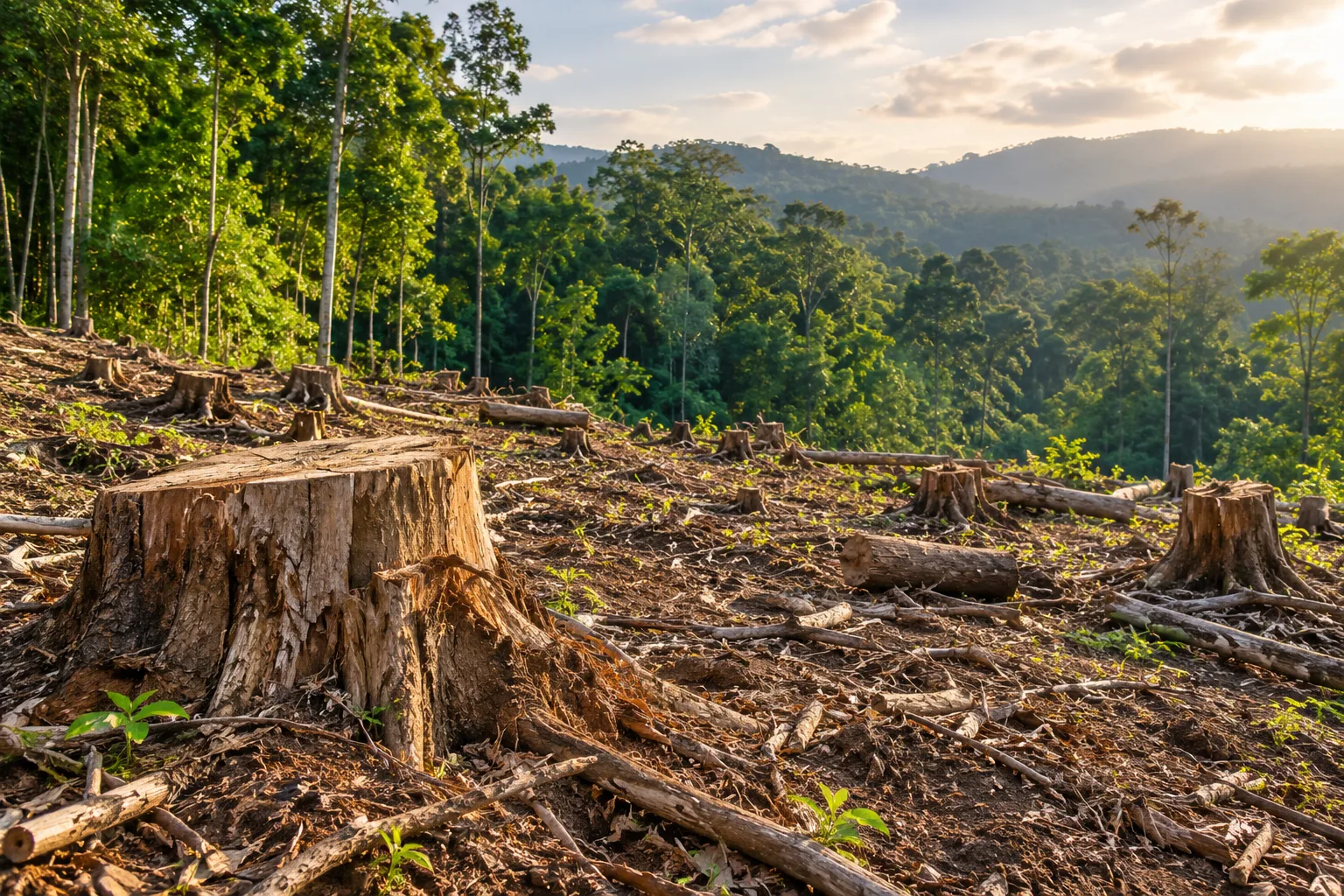
森林伐採と失われるすみか
Two friends discuss news about rainforest deforestation and what people can do to help restore lost habitats.
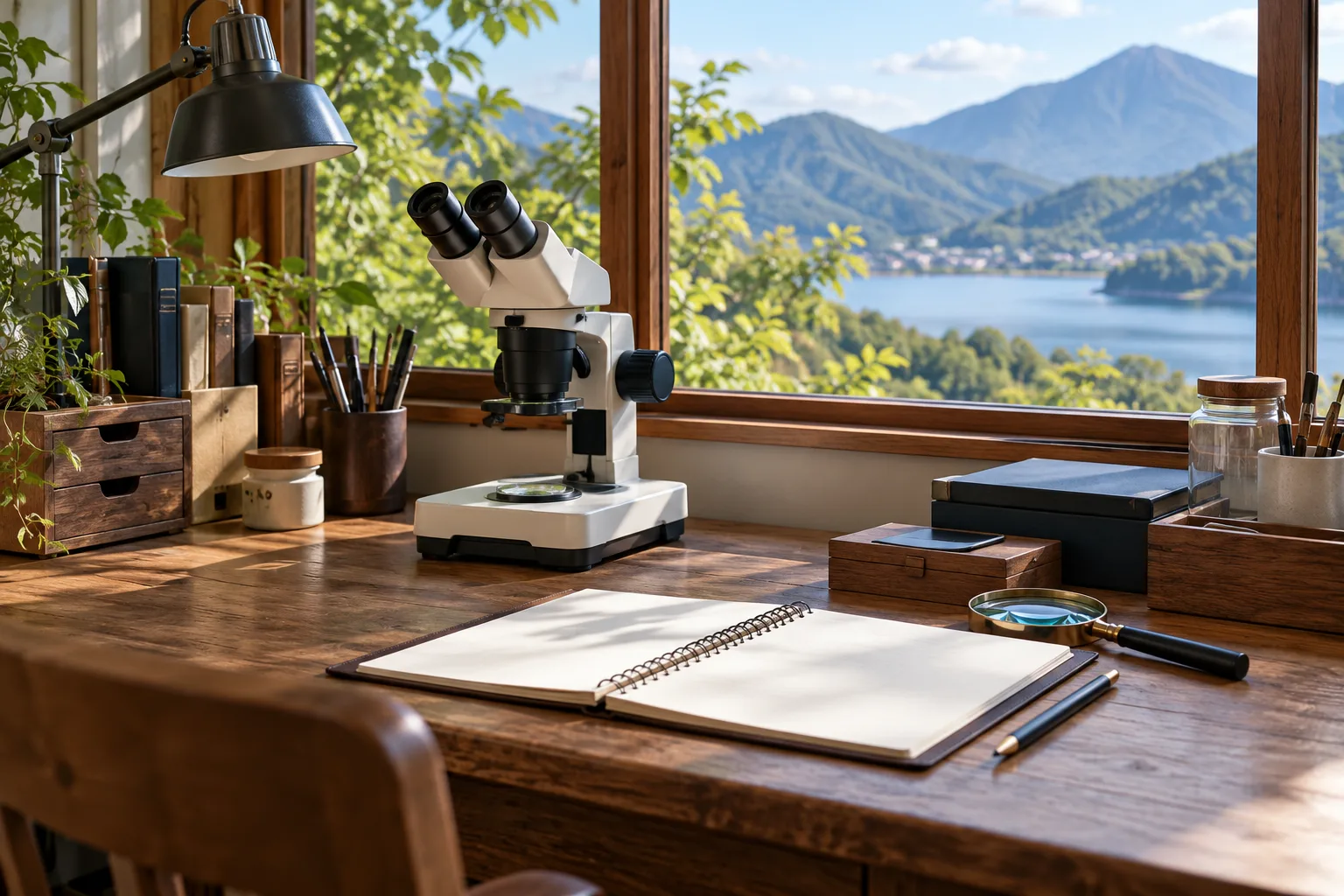
昆虫の驚くべき多様性
A researcher tells a student that over a million insect species have been identified, with many more still unknown.
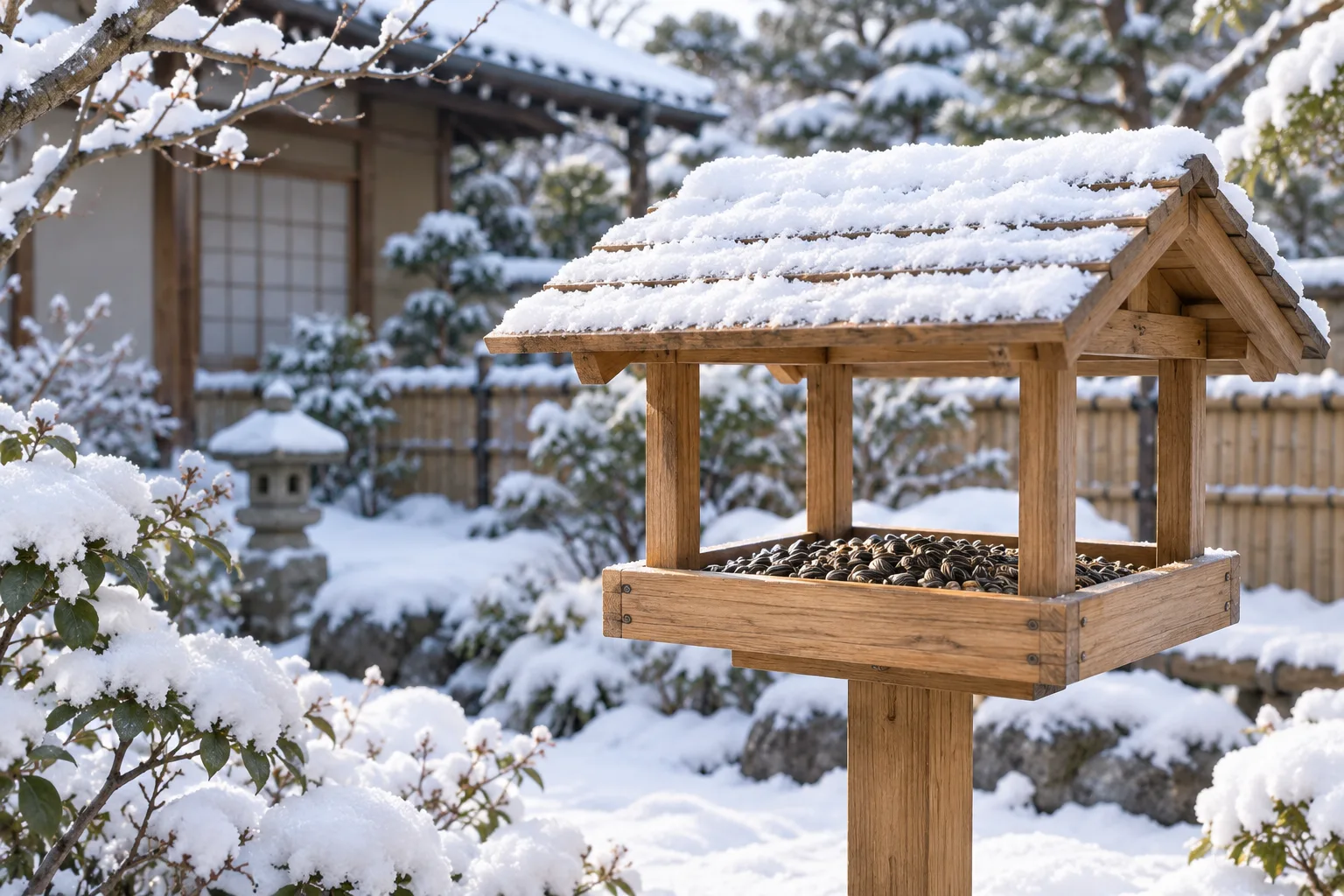
冬の野鳥のえさ台
A neighbor explains to a friend why she set up a bird feeder in winter and what food is safe to offer.
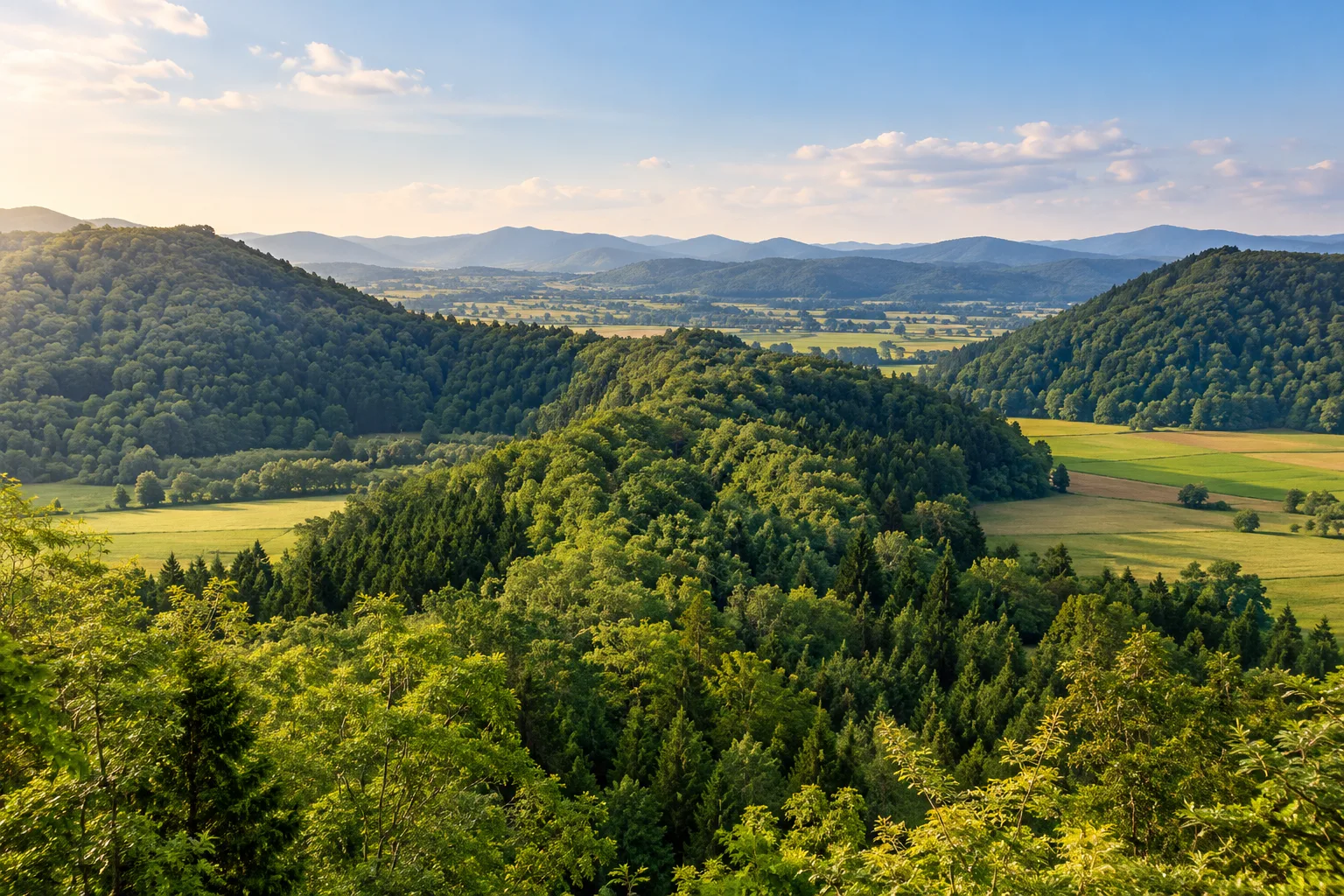
生物多様性を守る戦略
Two researchers discuss why protecting biodiversity requires wildlife corridors, community cooperation, and ecotourism, not just protected areas.
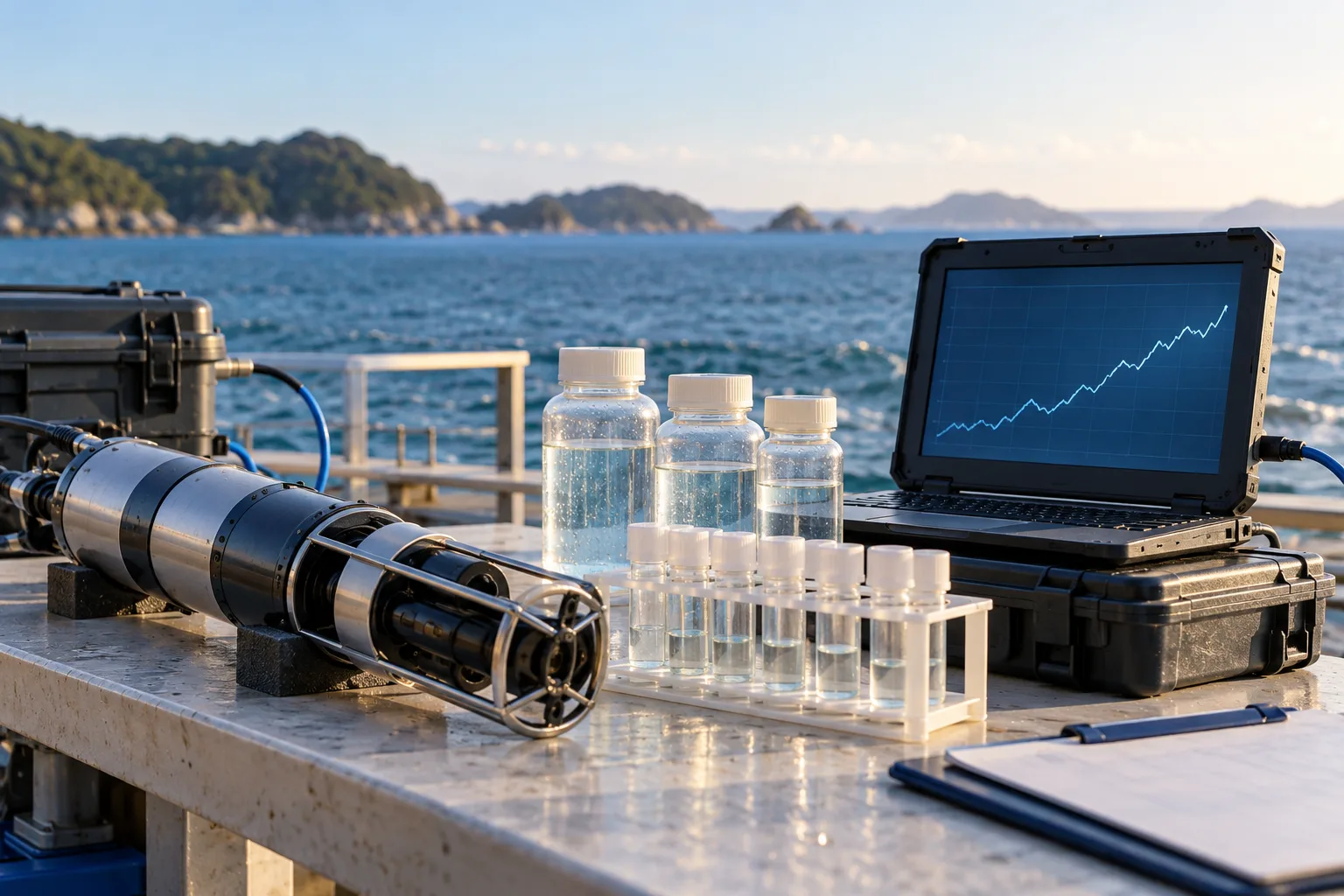
サンゴ礁の白化が起きる理由
A journalist interviews a biologist about why rising sea temperatures cause coral bleaching and how it harms marine ecosystems.
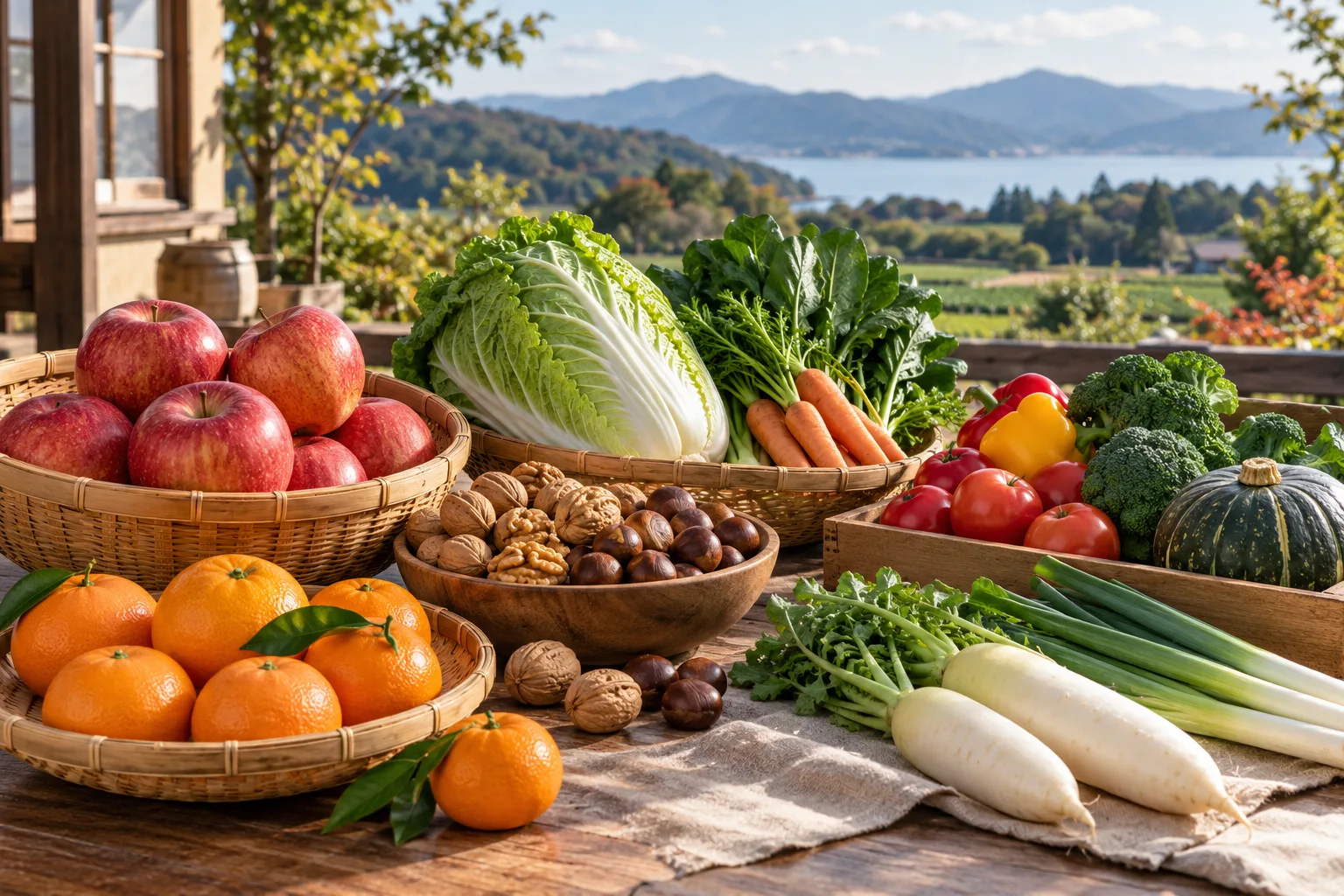
送粉者と世界の食料安全保障
A student learns from an agronomist why pollinators like bees, moths, and bats are essential for global food security.
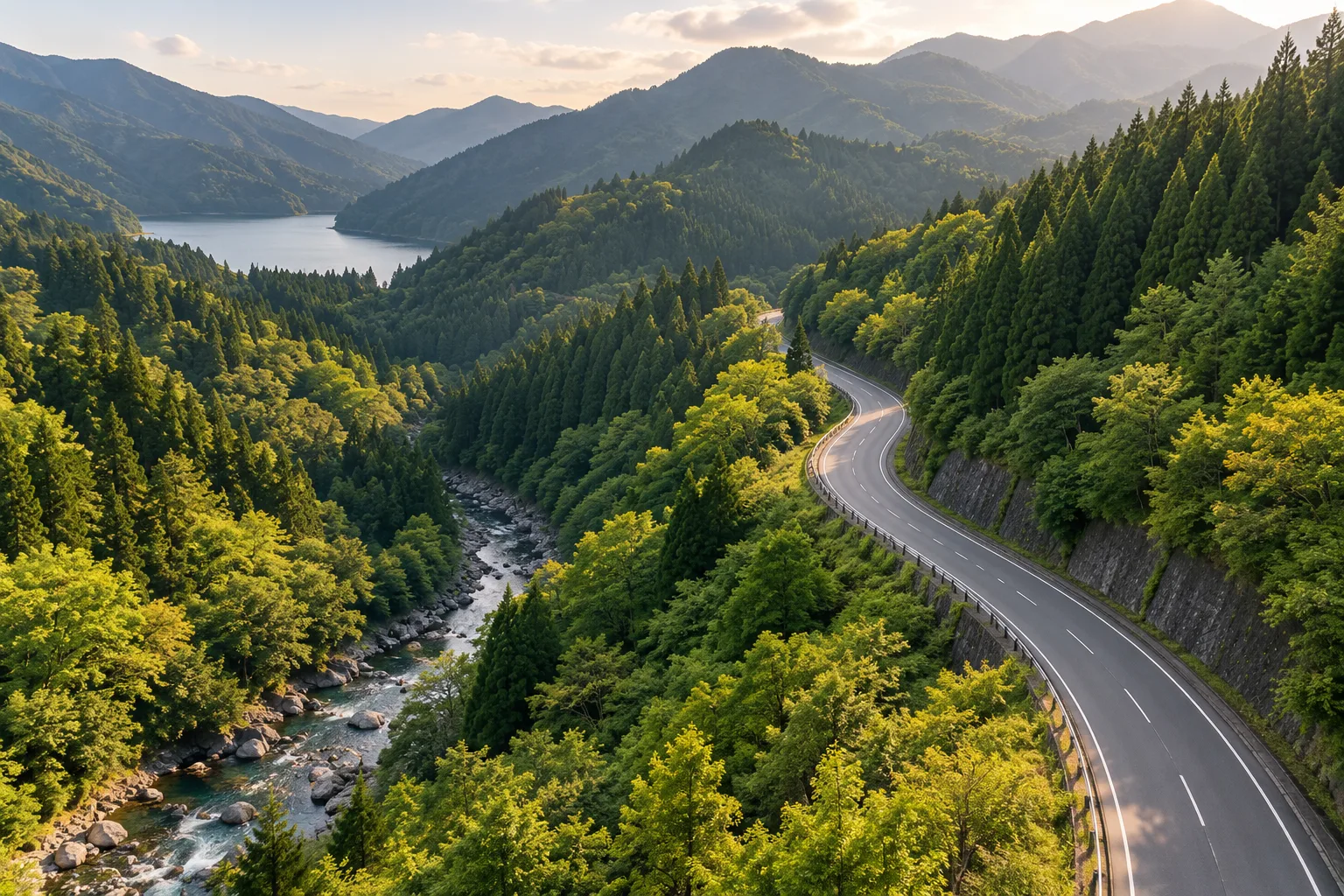
生息地の分断と野生動物回廊
A city official asks an environmental consultant how habitat fragmentation harms wildlife and how corridors can help.
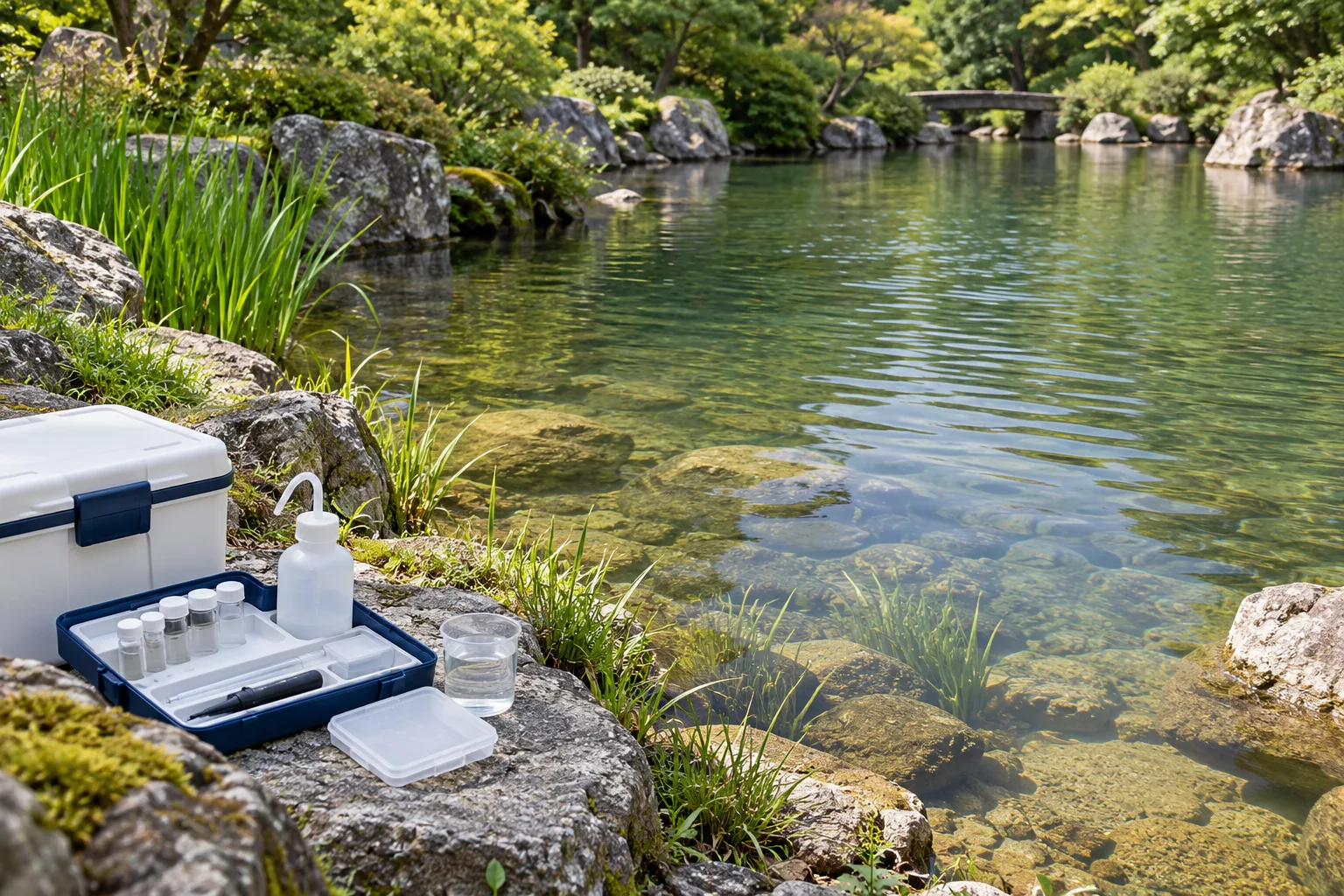
外来種と在来生態系への影響
A researcher and graduate student discuss how invasive species without natural predators can devastate native ecosystems.
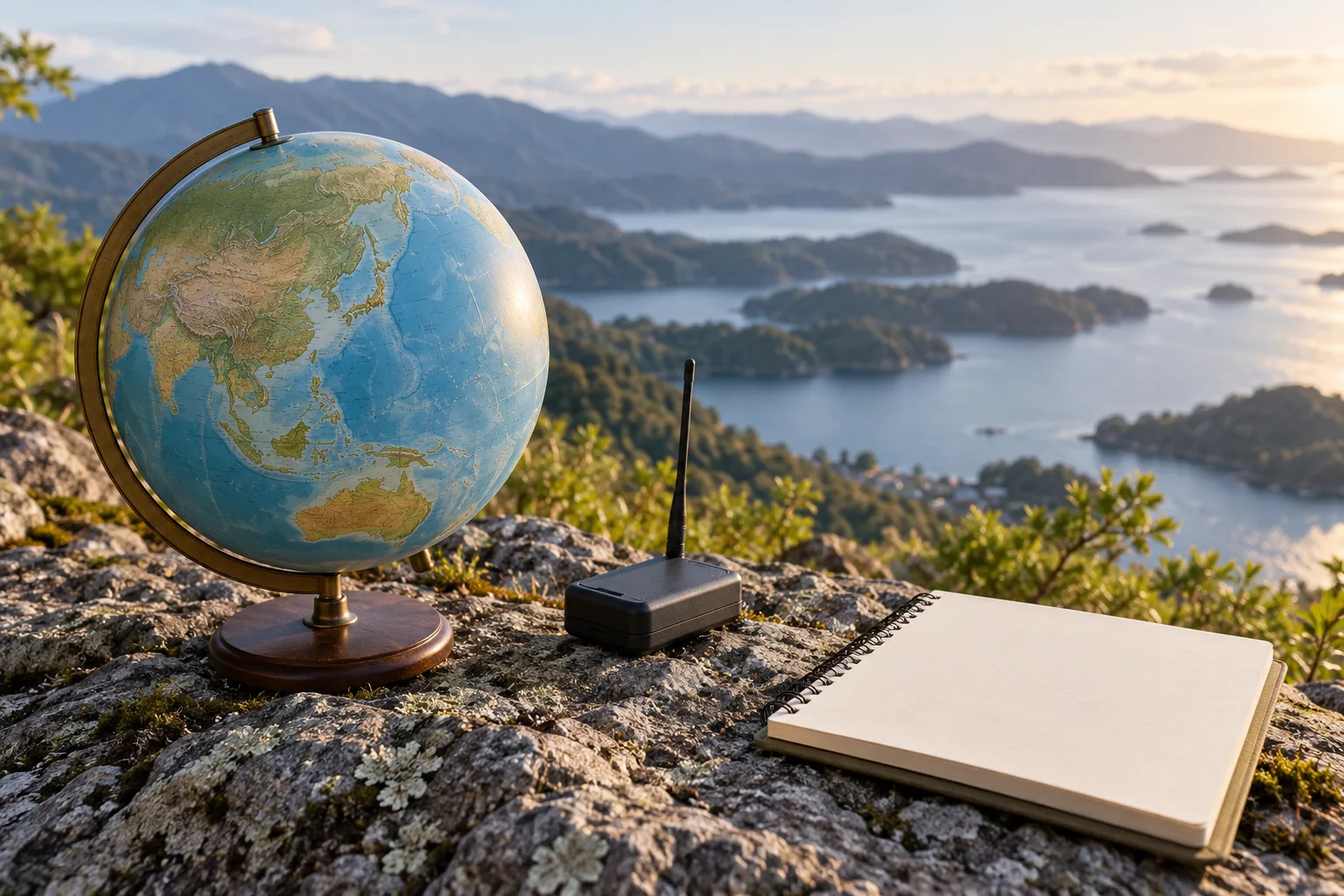
渡り鳥の旅を追跡する
An ornithologist explains to a journalist how satellite trackers reveal that some birds fly nonstop across the Pacific for days.
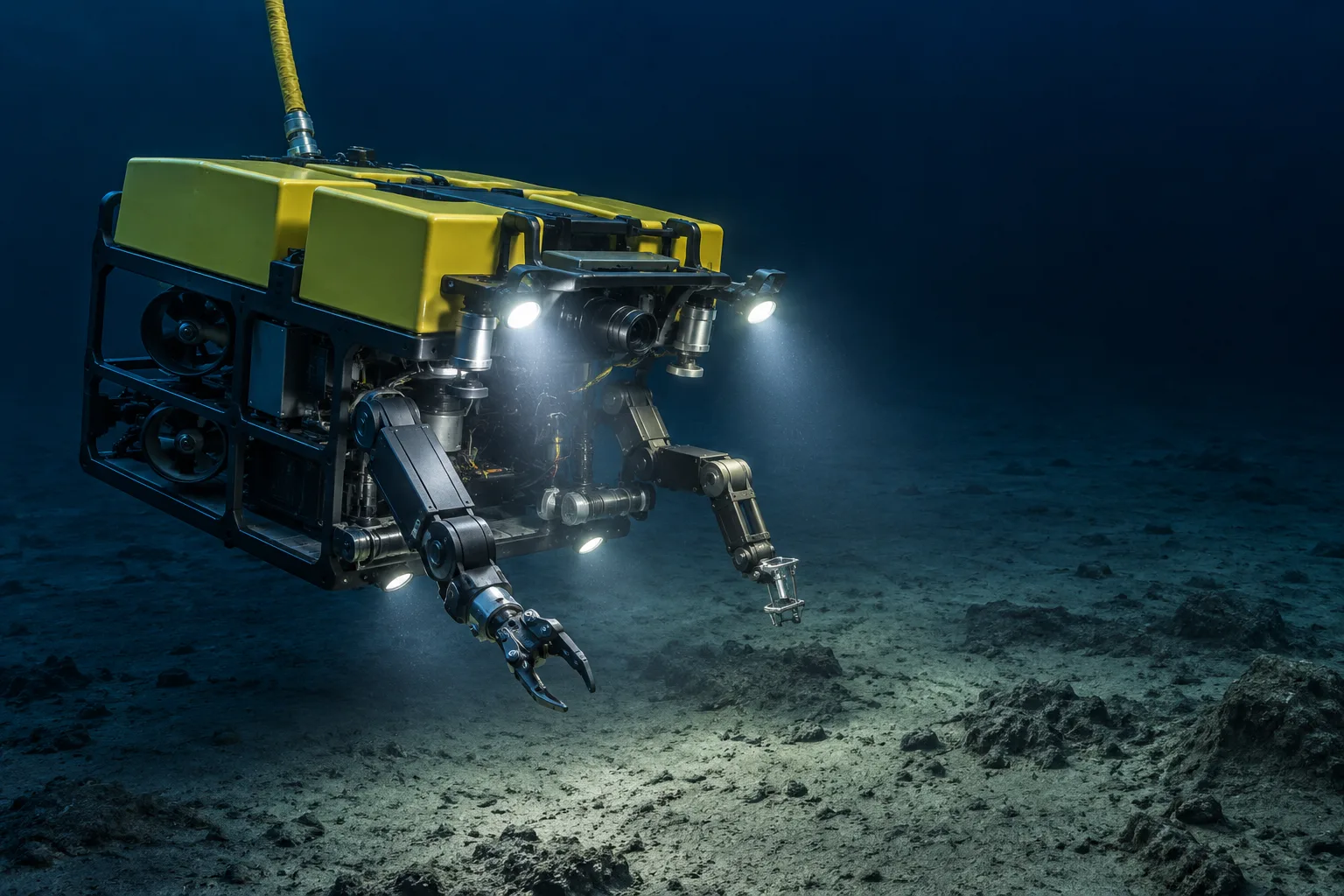
深海の新たな発見
A marine biologist tells a student how new species survive in the deep sea using chemosynthesis near hydrothermal vents.
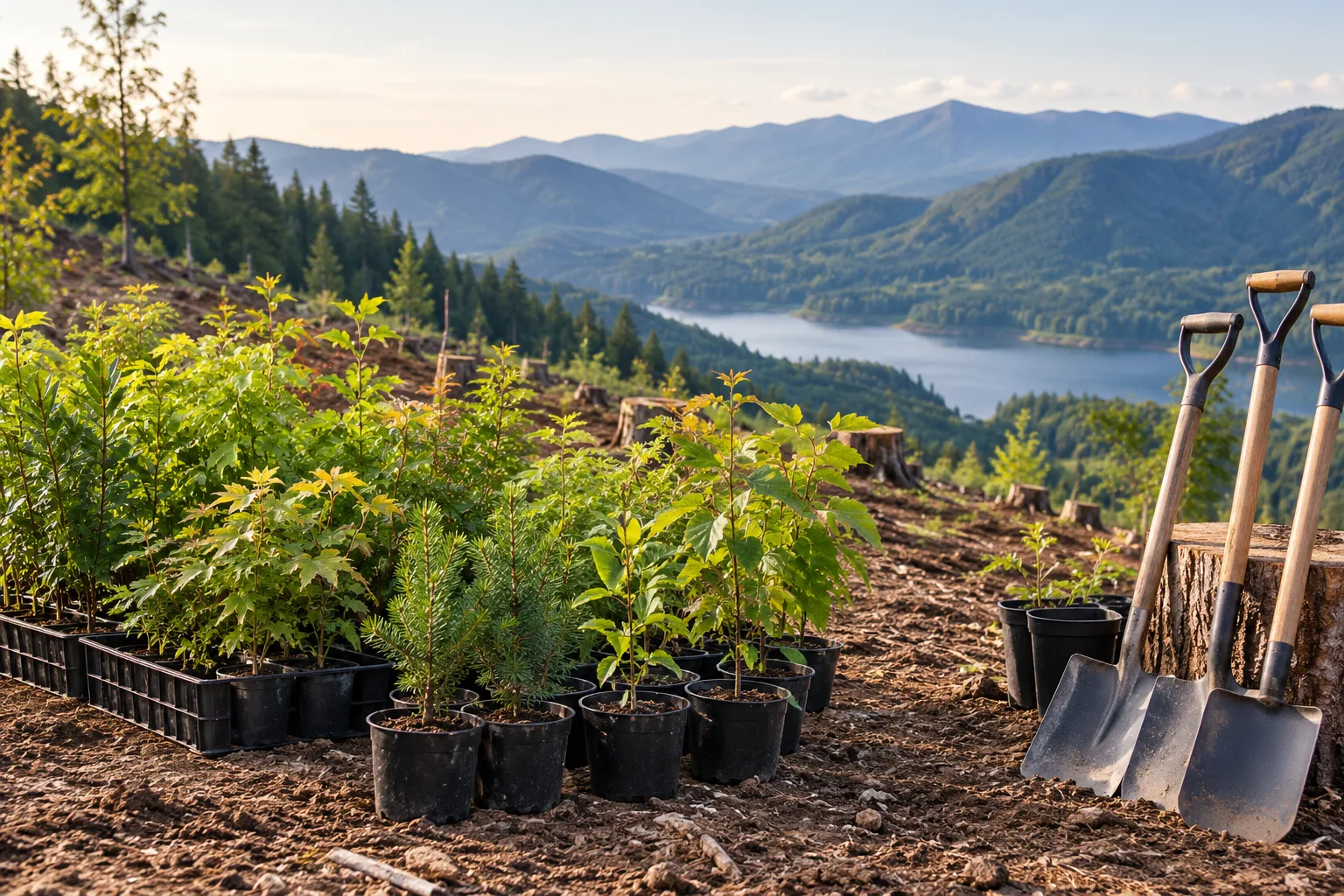
森林再生と種の復元
A forester and an environmental activist discuss why reforestation with diverse native tree species restores animal life more effectively than monoculture planting.
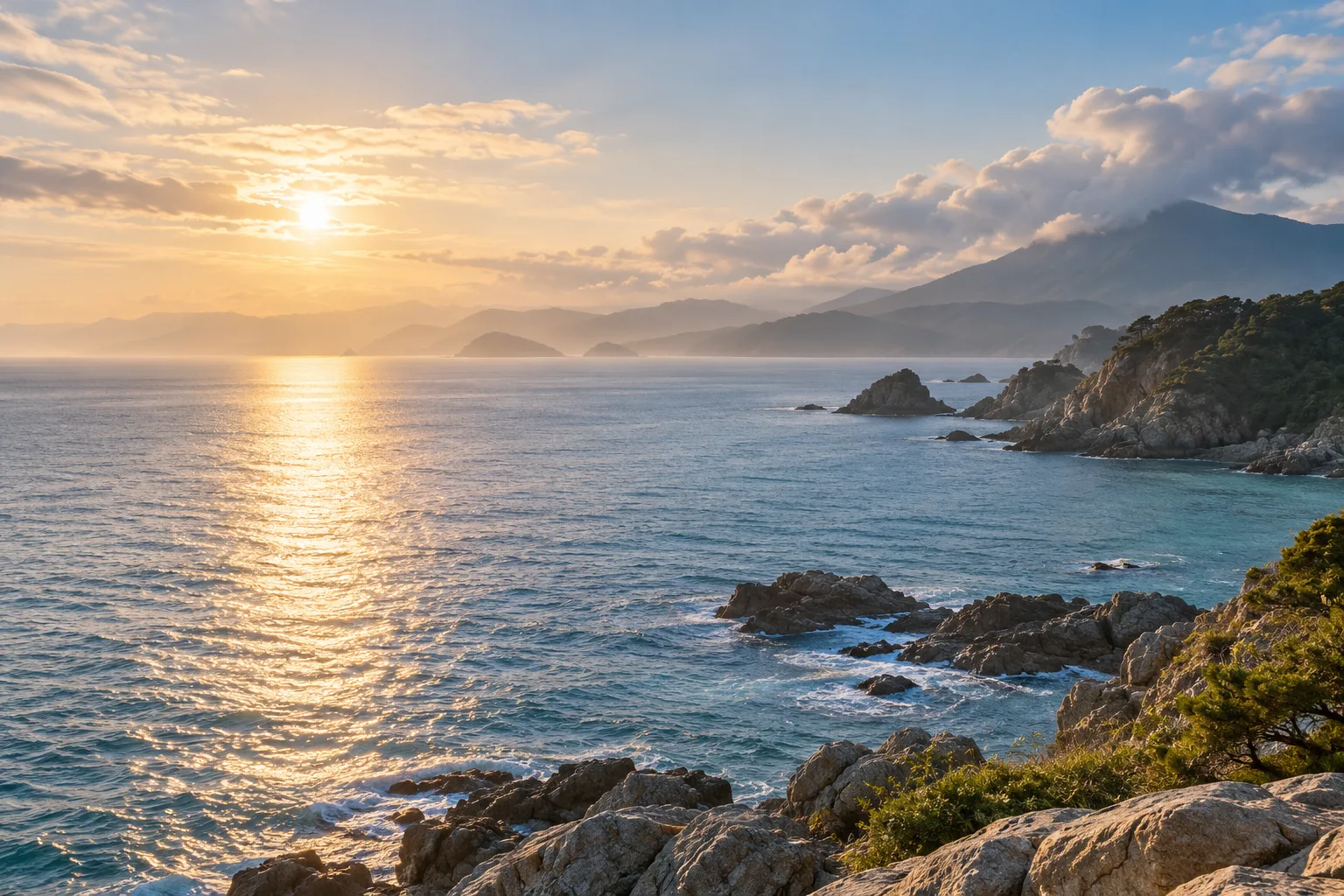
水の循環
Two students discuss how water evaporates, forms clouds, and falls back as rain.
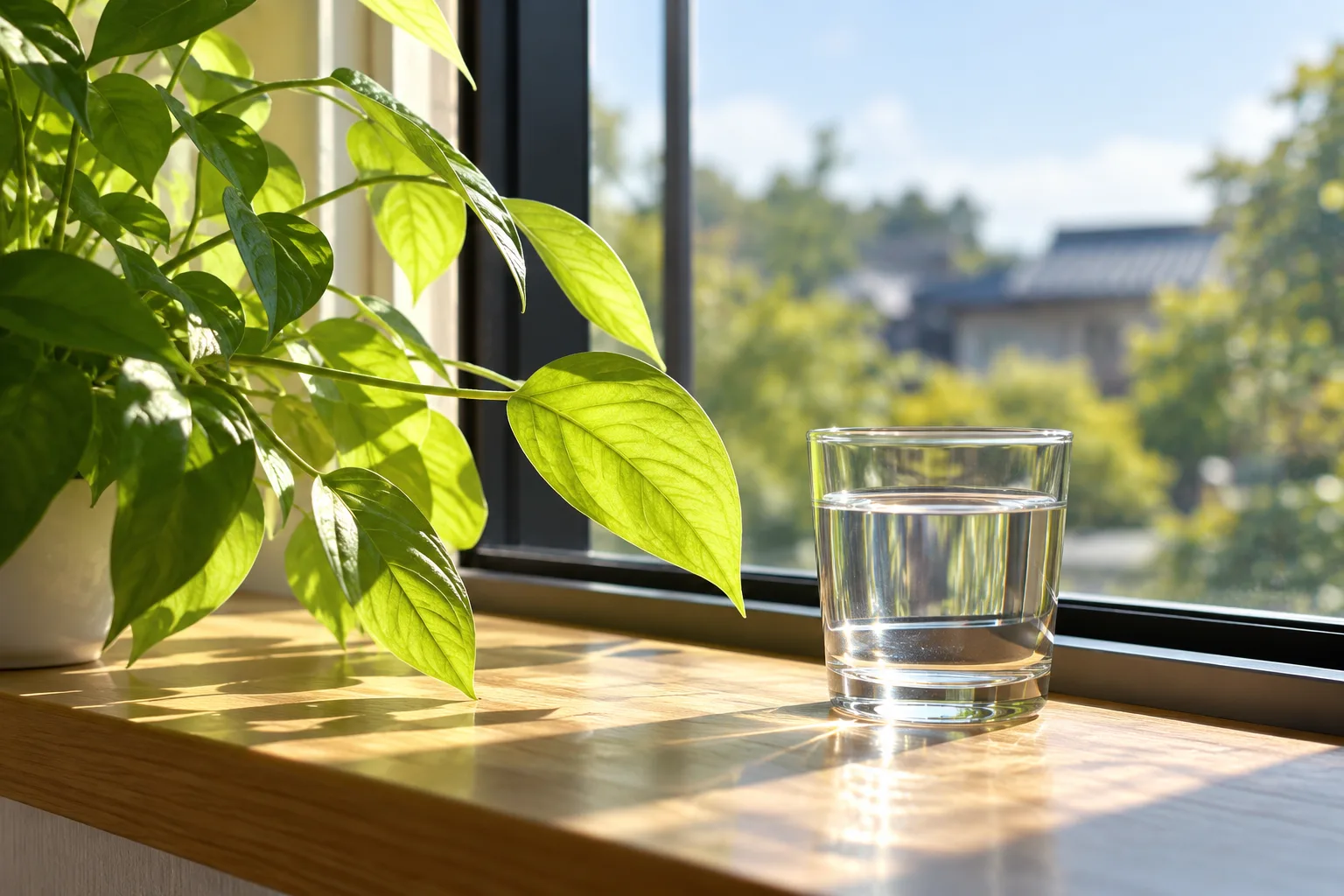
光合成のしくみ
A child asks a parent to explain how plants make their own food using sunlight.
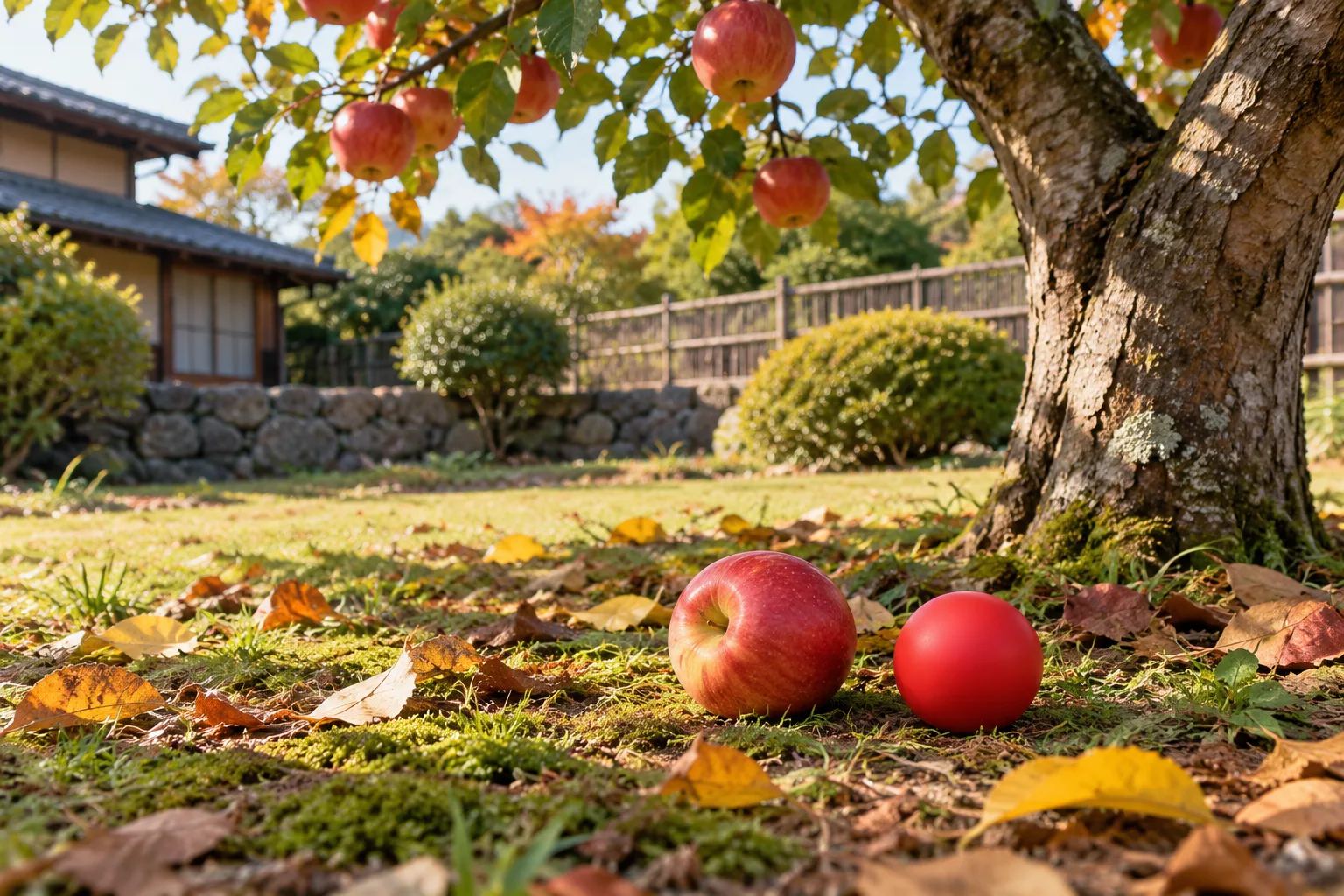
重力って何?
Two elementary school friends wonder why things fall down and learn about gravity.