Read across five tongues.
Short articles and everyday conversations — Arabic fully vowelled, Japanese with furigana — each with Thai sentence translations, tap-a-word glosses, and recorded narration where you see the audio badge.
1000 conversations · page 34 of 42
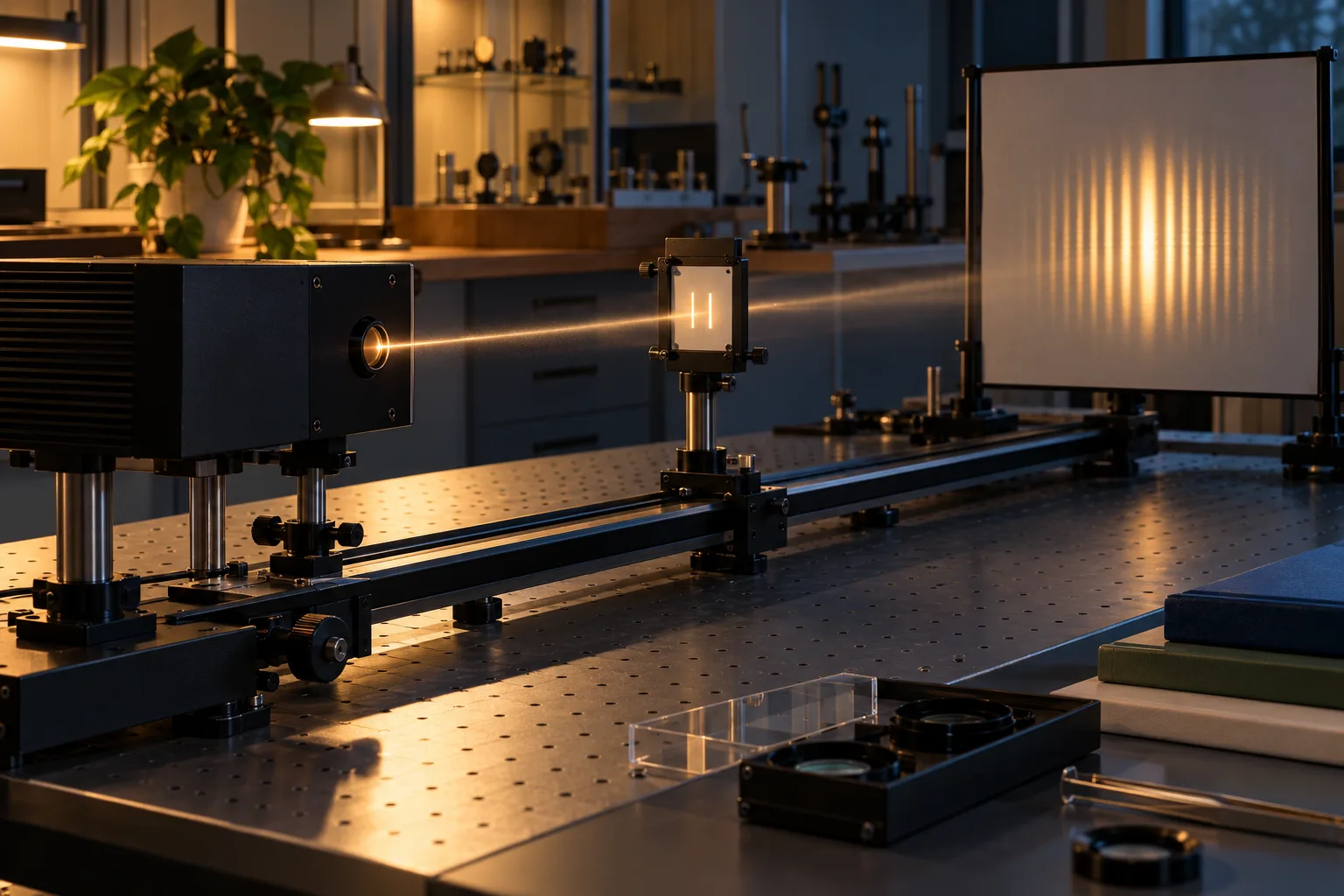
مَبَادِئُ مِيكَانِيكَا الْكَمِّ وَغَرَابَةُ الْعَالَمِ دُونَ الذَّرِّيِّ
Two physics graduate students probe the double-slit experiment, wave-particle duality, and the Copenhagen interpretation of quantum mechanics.

الثُّقُوبُ السَّوْدَاءُ وَأُفُقُ الْحَدَثِ
Two astrophysics researchers discuss the formation of black holes, the properties of the event horizon, Hawking radiation, and the information paradox.
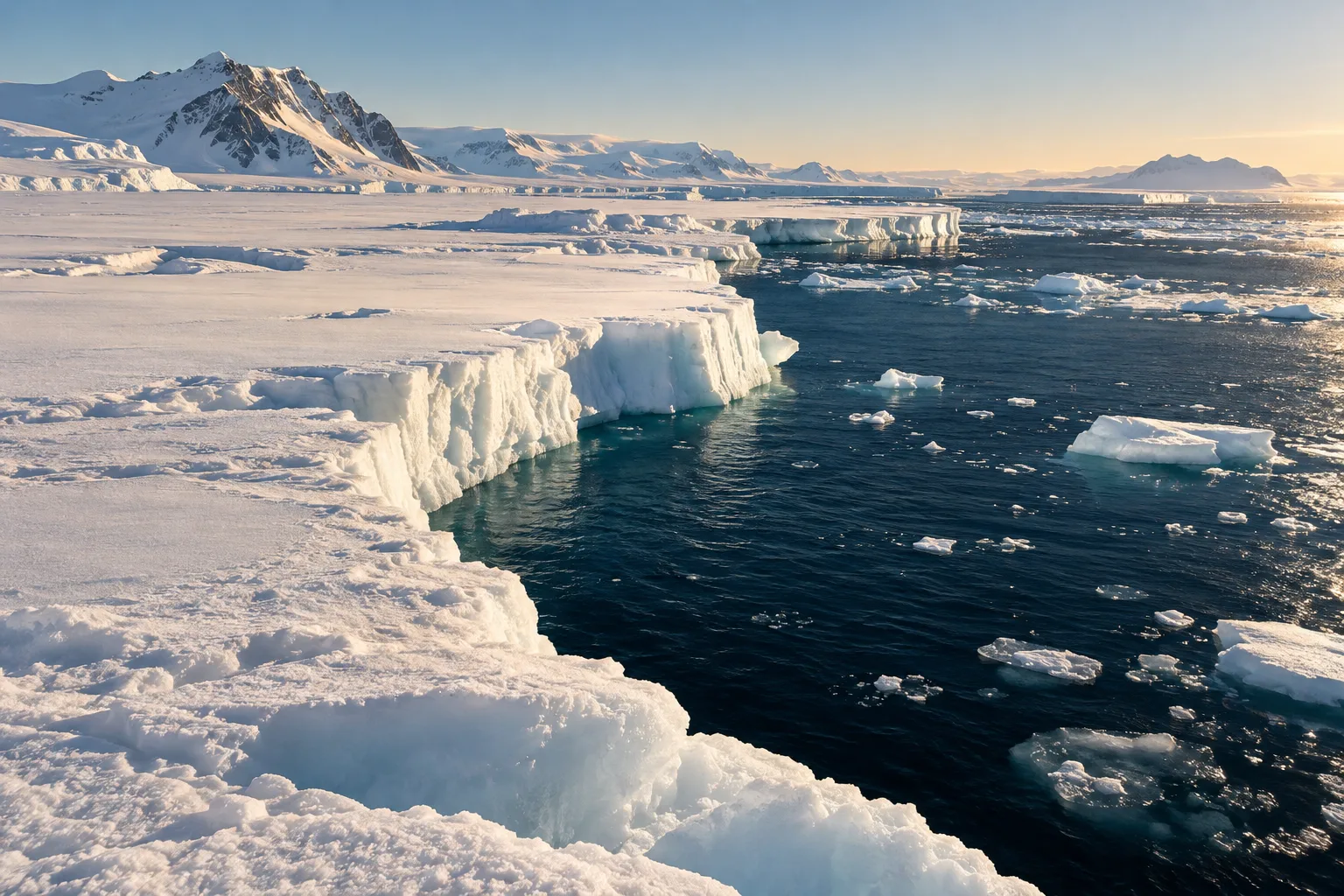
تَغَيُّرُ الْمَنَاخِ وَحَلْقَاتُ التَّغْذِيَةِ الرَّاجِعَةِ
Two environmental scientists discuss the mechanisms of climate forcing, positive and negative feedback loops, and tipping points in the Earth's climate system.
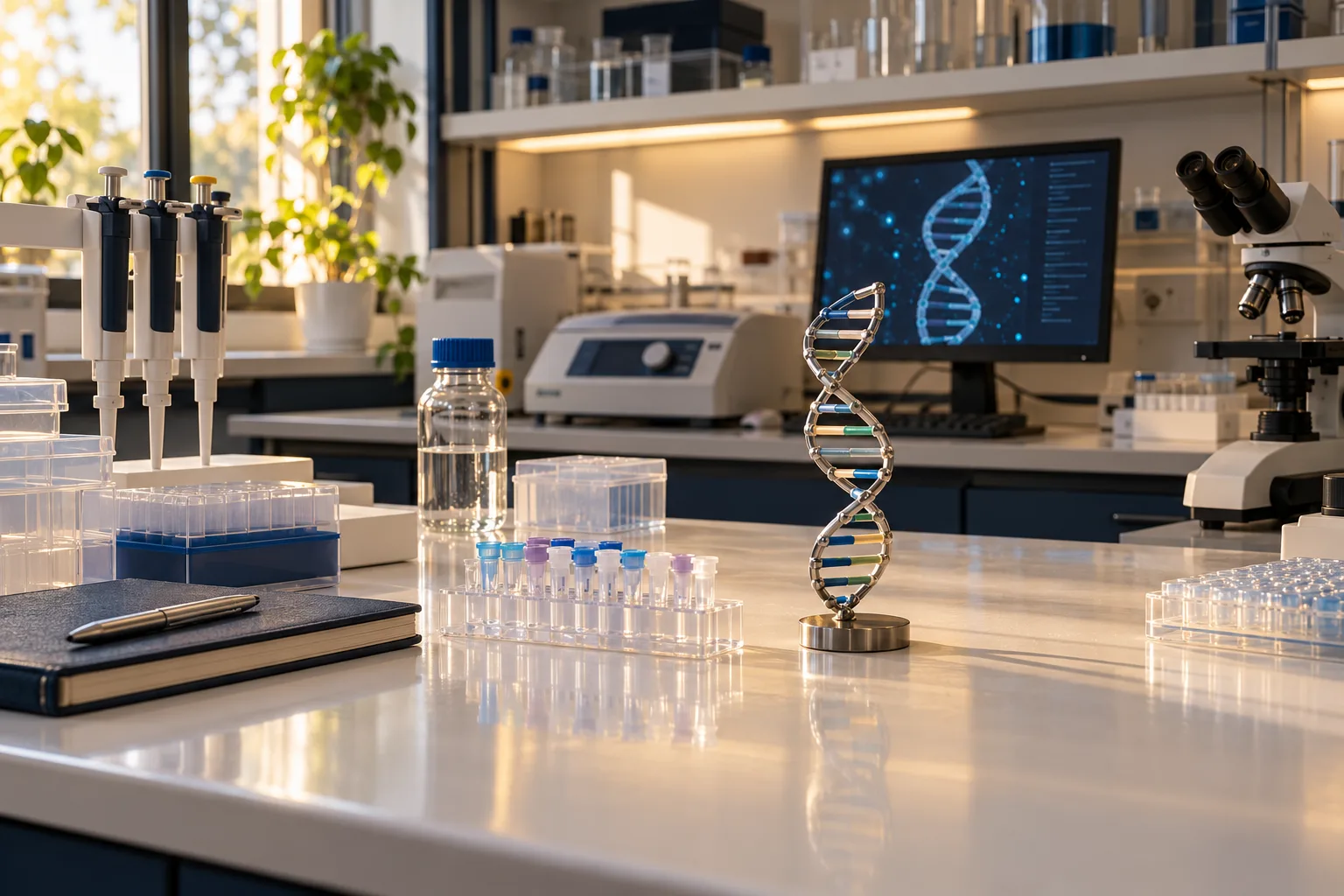
تِقْنِيَةُ كْرِيسْبَر لِتَحْرِيرِ الْجِينُومِ
Two molecular biology researchers discuss the mechanism of CRISPR-Cas9, its therapeutic promise for inherited diseases, and the ethical boundaries of germline editing.

التَّوَافُقُ بَيْنَ الذَّكَاءِ الِاصْطِنَاعِيِّ وَعُلُومِ الأَعْصَابِ
Two researchers explore how neuroscience has inspired deep learning architectures, and conversely how AI models are now helping map and understand brain connectivity.
تِقْنِيَةُ النَّانُو وَتَطْبِيقَاتُهَا الطِّبِّيَّةُ
Two biomedical engineers discuss nanoscale drug delivery systems, theranostic nanoparticles, and the challenges of toxicology and regulatory approval.

اللِّقَاحَاتُ وَمِيكَانِيزْمَاتُ الْمَنَاعَةِ الْمُكْتَسَبَةِ
Two immunology researchers discuss how mRNA vaccines work, the difference between humoral and cellular immunity, and the immunological basis of herd immunity.

الْمَادَّةُ الْمُظْلِمَةُ وَالطَّاقَةُ الْمُظْلِمَةُ وَمَصِيرُ الْكَوْنِ
Two cosmologists discuss the observational evidence for dark matter and dark energy, competing theoretical models, and what an accelerating expansion means for the ultimate fate of the cosmos.

لِمَاذَا يَطْفُو الْجَلِيدُ فَوْقَ الْمَاءِ؟
Two children wonder why ice cubes float instead of sinking, and learn about water's unusual property of expanding when frozen.
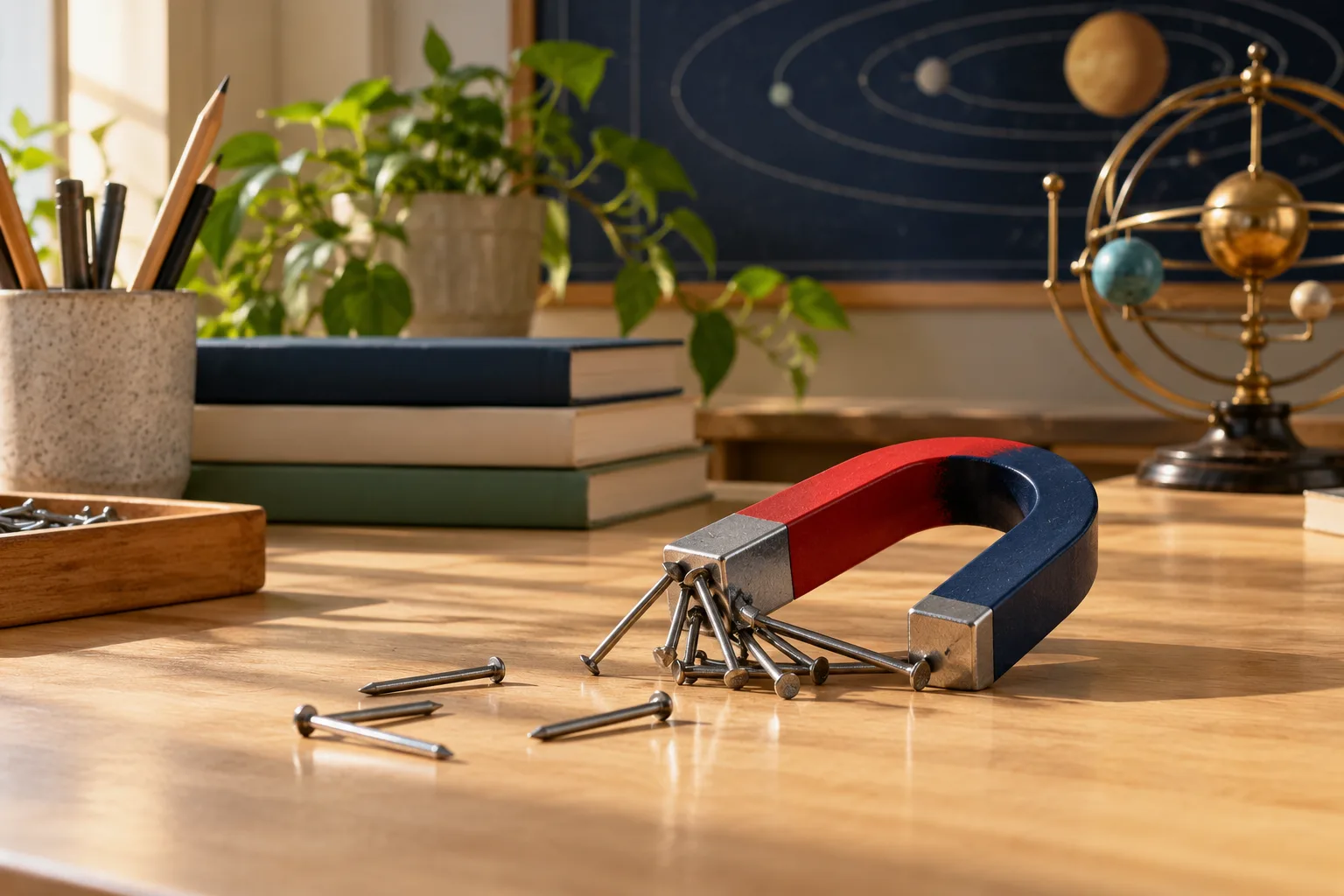
كَيْفَ تَعْمَلُ الْمَغْنَاطِيسَاتُ؟
A child asks a parent how magnets attract iron objects and why some poles repel each other.
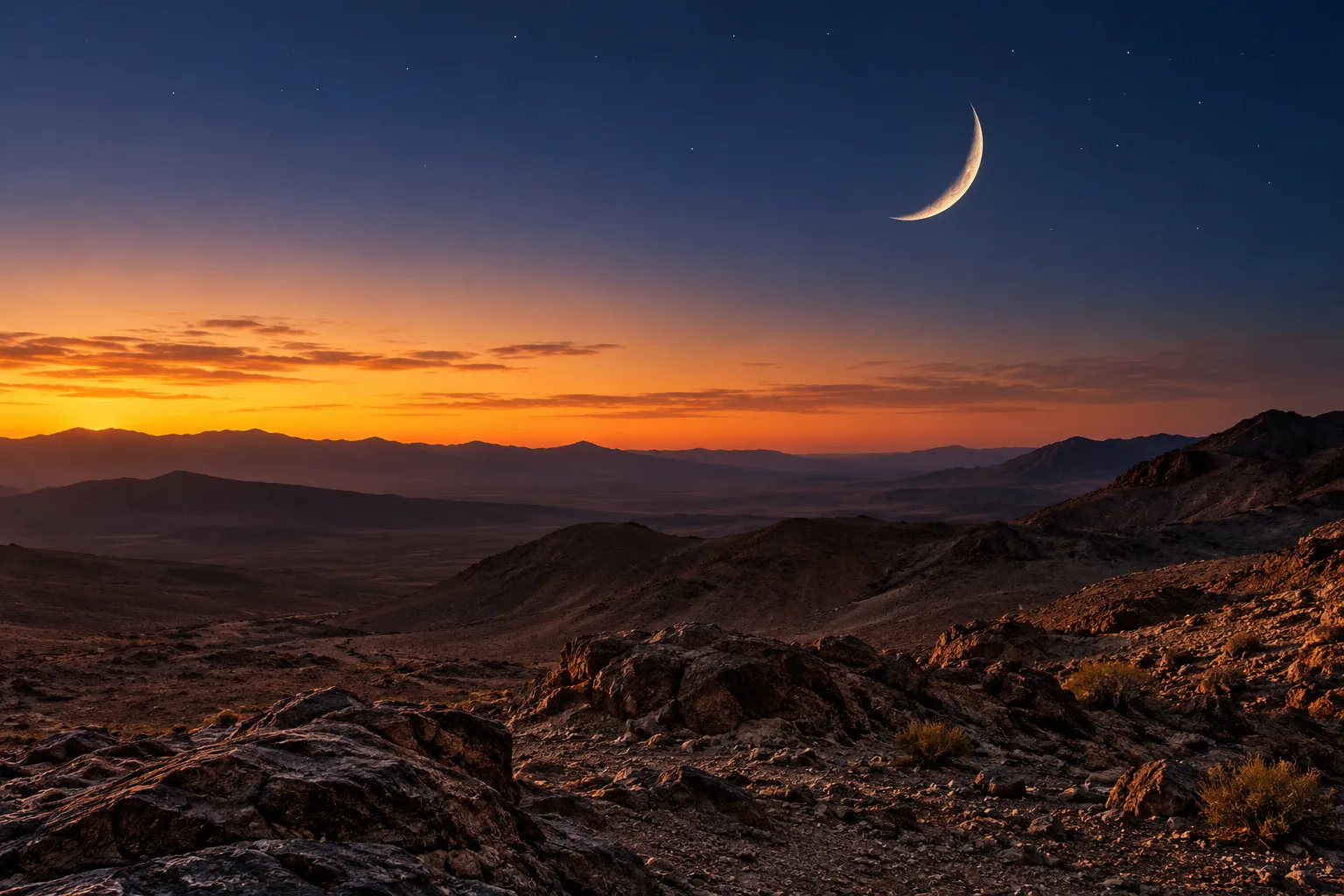
أَطْوَارُ الْقَمَرِ
Two siblings observe the moon each night and discuss why it seems to change shape throughout the month.
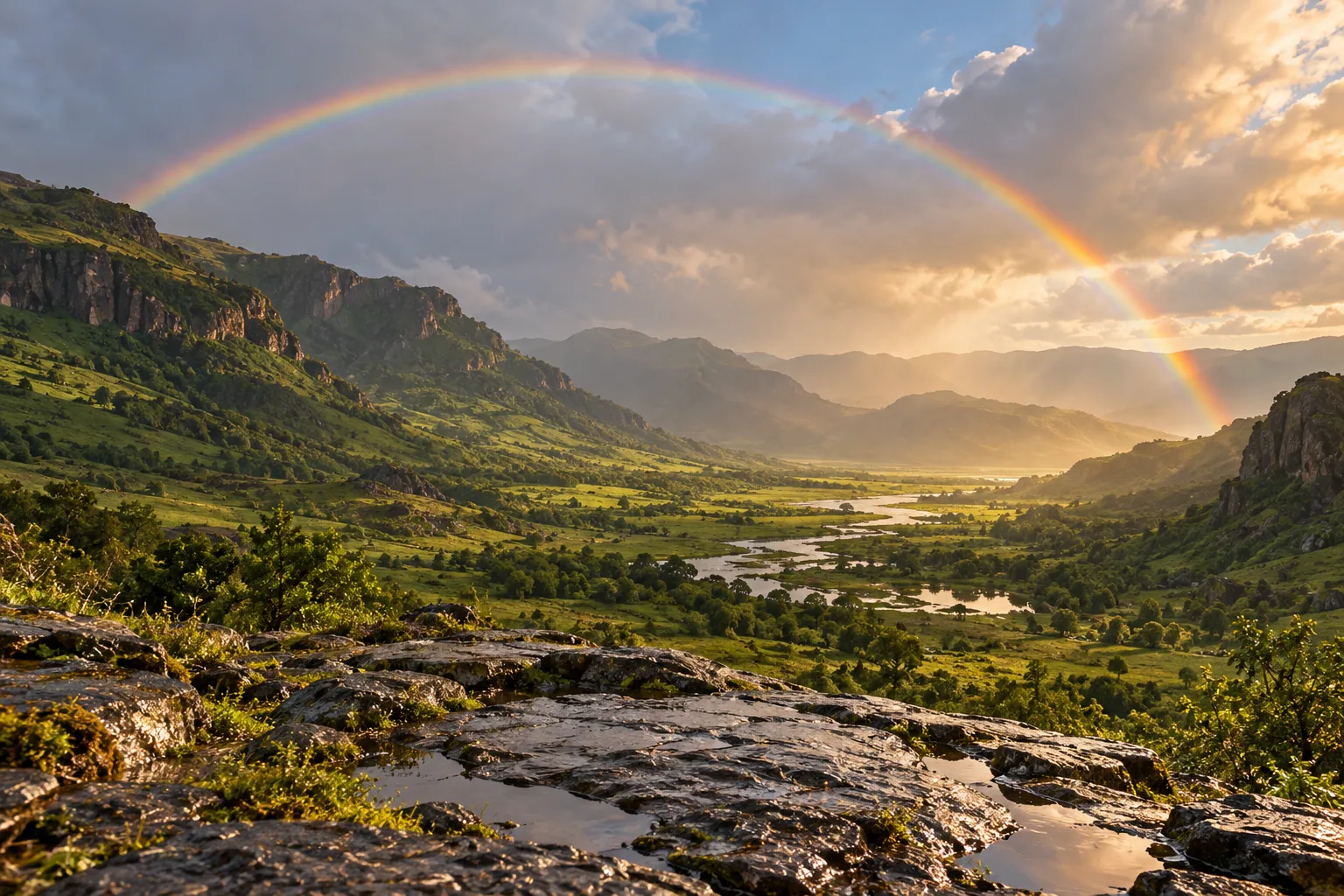
أَلْوَانُ الْغُرُوبِ وَقَوْسُ قُزَحَ
Two friends discuss why sunsets turn red and orange, and how rainbows form after rain.
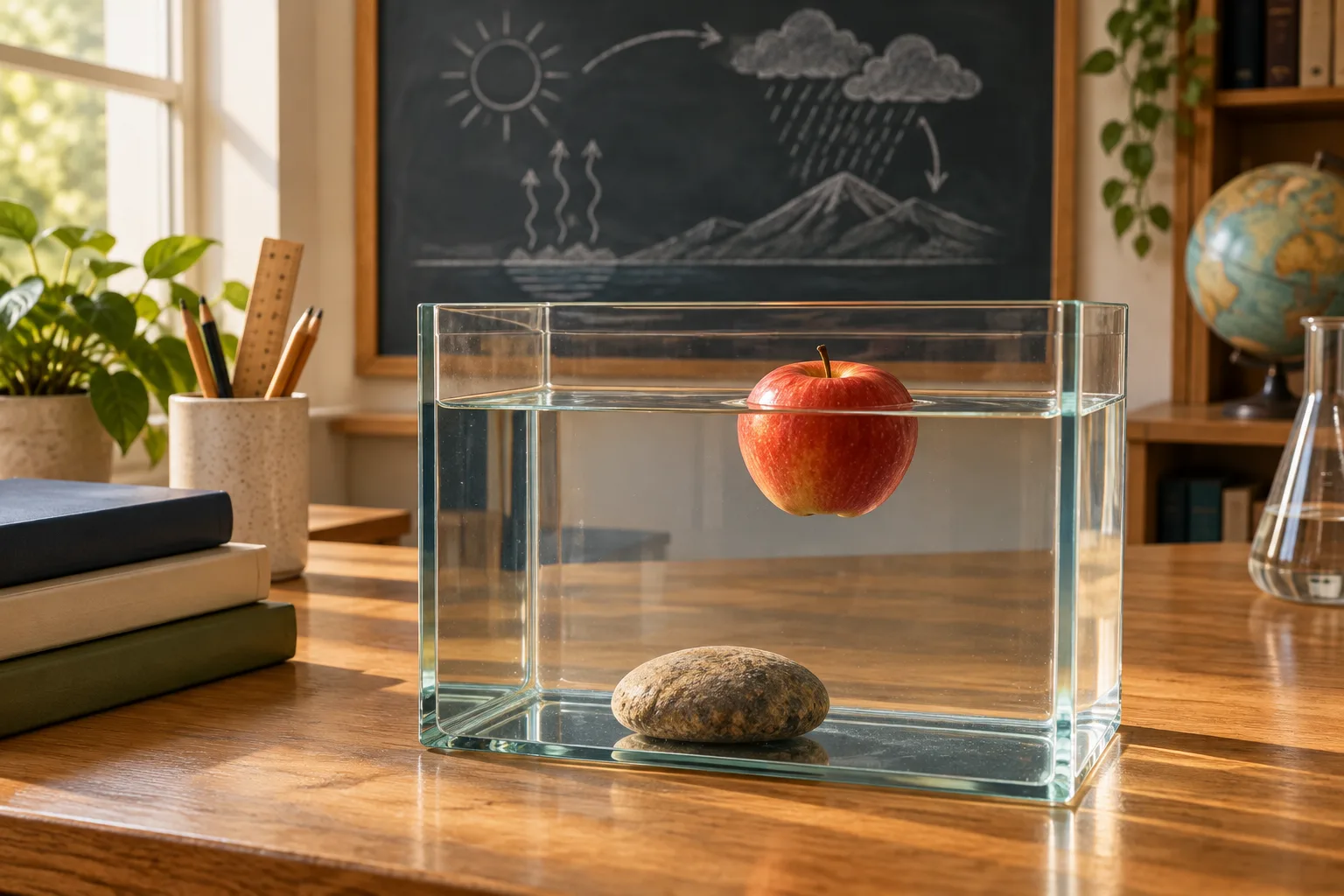
لِمَاذَا تَطْفُو بَعْضُ الأَشْيَاءِ وَتَغْرَقُ أُخْرَى؟
A child experiments with objects in water and learns the concept of density with a parent's help.
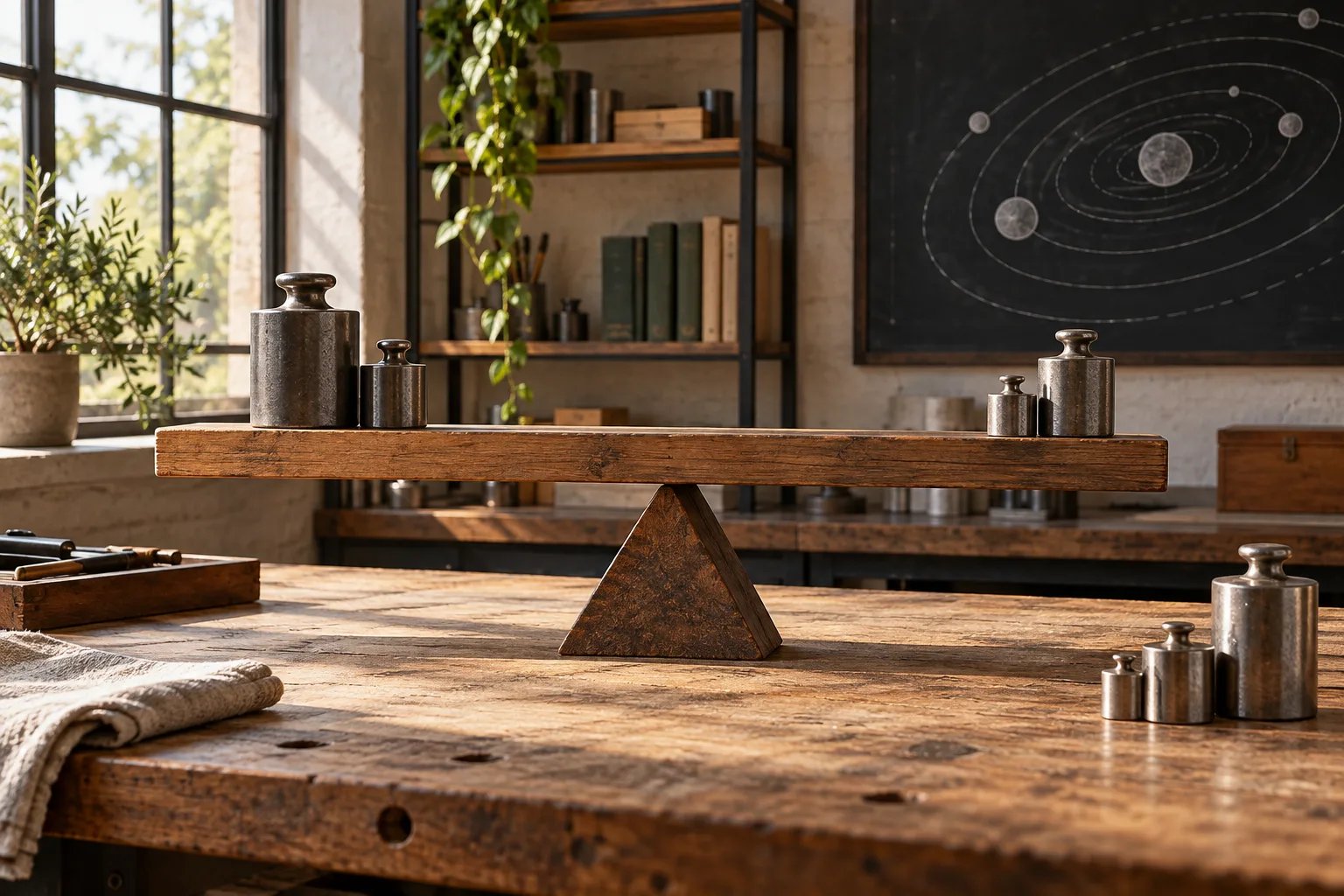
الرَّافِعَةُ وَالْبَكَرَةُ: آلَاتٌ بَسِيطَةٌ
A teacher explains the difference between levers and pulleys, and how each type reduces the force needed to lift objects.

حَالَاتُ الْمَادَّةِ: صُلْبٌ وَسَائِلٌ وَغَازٌ
Two students explore how matter changes between solid, liquid, and gaseous states by discussing heat and particle movement.

لِمَاذَا تَمْطُرُ السَّمَاءُ؟
Two young learners discover how water evaporates, forms clouds, and falls back as rain in the water cycle.
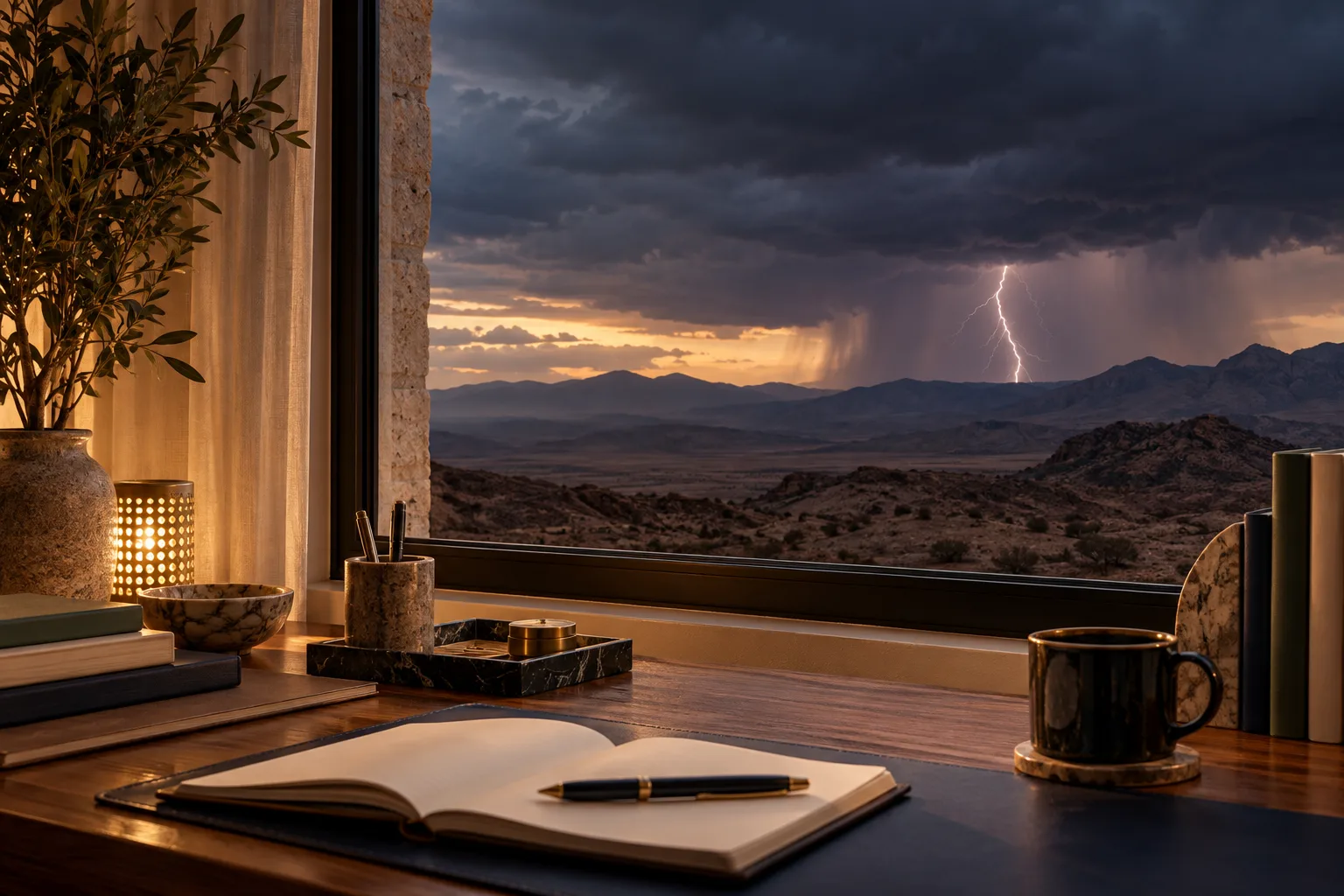
الرَّعْدُ وَالْبَرْقُ: كَهْرَبَاءُ السَّمَاءِ
Two friends discuss how thunderstorms generate lightning, what causes the sound of thunder, and why lightning always comes before thunder.
الظِّلُّ وَالضَّوْءُ: كَيْفَ يَتَكَوَّنُ الظِّلُّ؟
A parent and child experiment with a flashlight to understand how shadows form, change size, and relate to the direction of light.

الْحَرَارَةُ وَالطَّهْيُ: تَحَوُّلَاتٌ كِيمِيَائِيَّةٌ فِي الْمَطْبَخِ
Two friends discuss how heat transforms raw ingredients during cooking and why these changes cannot be reversed.
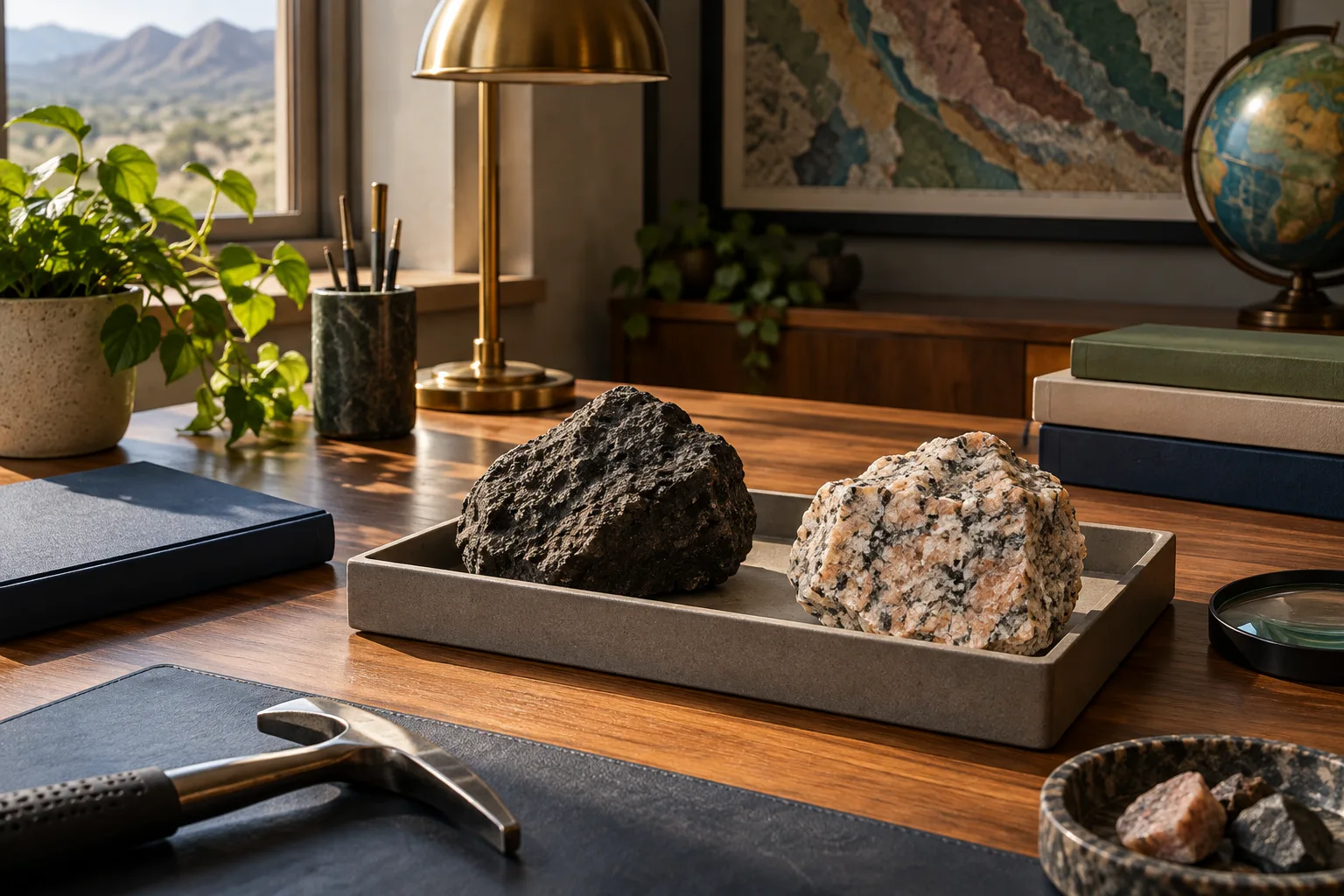
الصُّخُورُ وَالْبِلَّوْرَاتُ: ذَاكِرَةُ الأَرْضِ
A geology enthusiast explains to a friend how rocks form over millions of years and why crystals develop their characteristic geometric shapes.
الصَّدَى وَانْعِكَاسُ الصَّوْتِ
Two students discuss how echoes form, why some spaces produce echoes while others absorb sound, and how bats use echolocation.

الْمَرَايَا وَقَوَانِينُ الاِنْعِكَاسِ
Two physics students examine how flat and curved mirrors work differently, and explore the geometry of reflected light rays.
الرِّيحُ وَكَيْفَ تَتَكَوَّنُ
A teacher explains to young students what causes wind, why it blows from different directions, and how it affects weather.
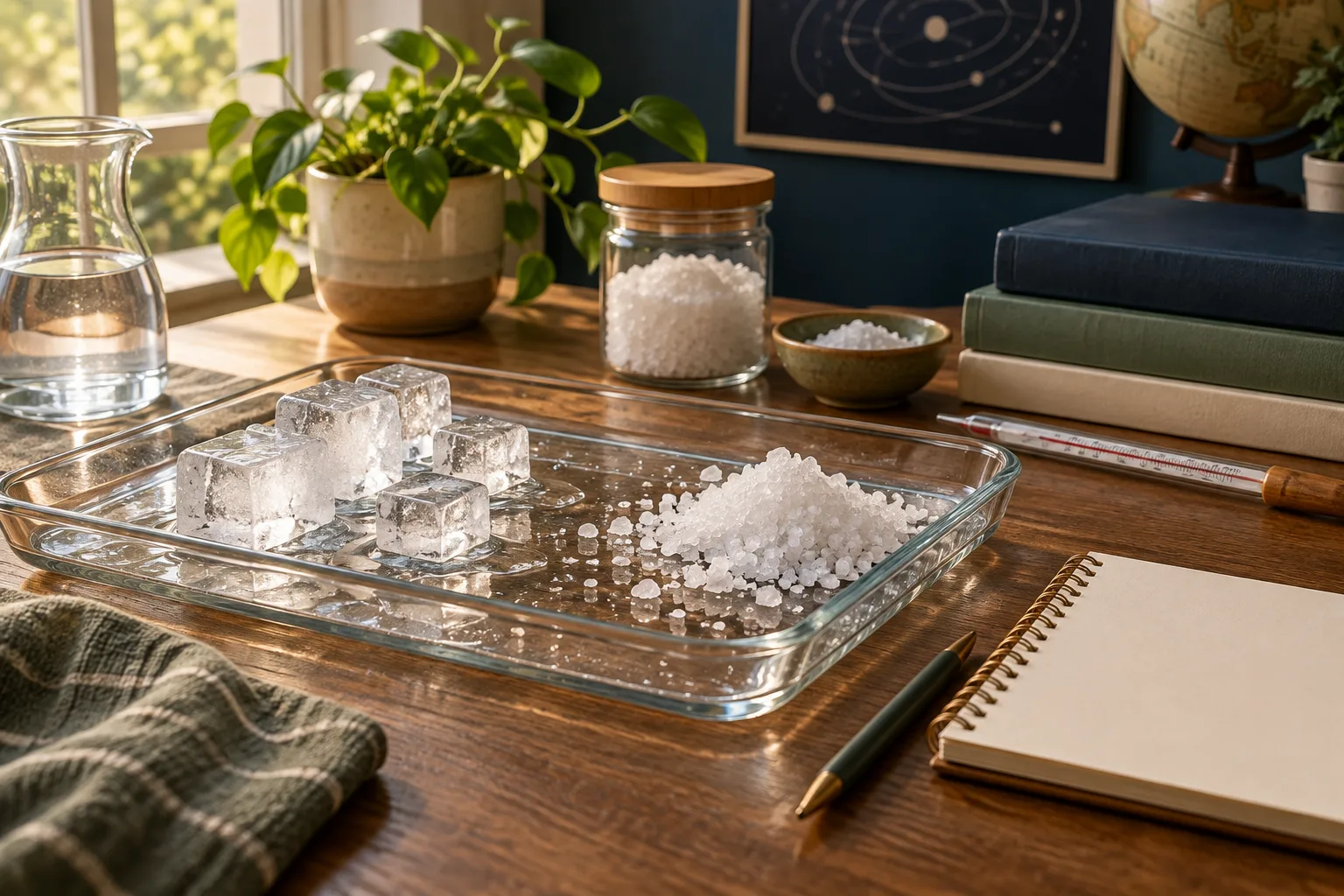
الذَّوْبَانُ وَالتَّجَمُّدُ: تَحَوُّلَاتٌ فِيزِيَائِيَّةٌ
Two students conduct a home experiment to understand melting points, freezing points, and why salt lowers the freezing point of water.