Read across five tongues.
Short articles and everyday conversations — Arabic fully vowelled, Japanese with furigana — each with Thai sentence translations, tap-a-word glosses, and recorded narration where you see the audio badge.
1000 conversations · page 35 of 42

الْمَوْجَاتُ الصَّوْتِيَّةُ وَالتَّرَدُّدُ
Two physics students explore how sound travels as pressure waves, the relationship between frequency and pitch, and the Doppler effect.
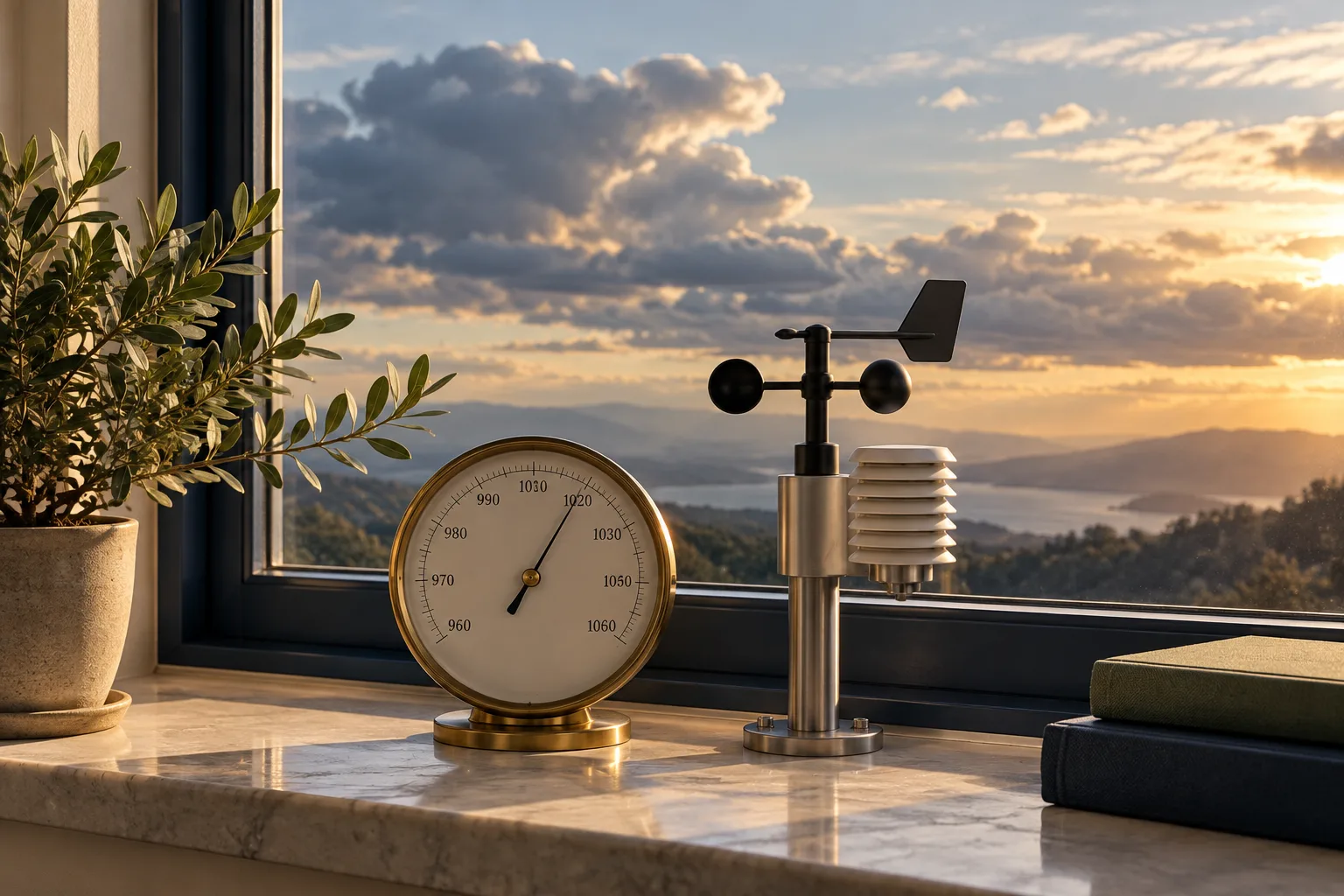
الضَّغْطُ الْجَوِّيُّ وَالطَّقْسُ
Two meteorology students discuss how air pressure drives wind patterns, causes high and low pressure systems, and shapes daily weather.
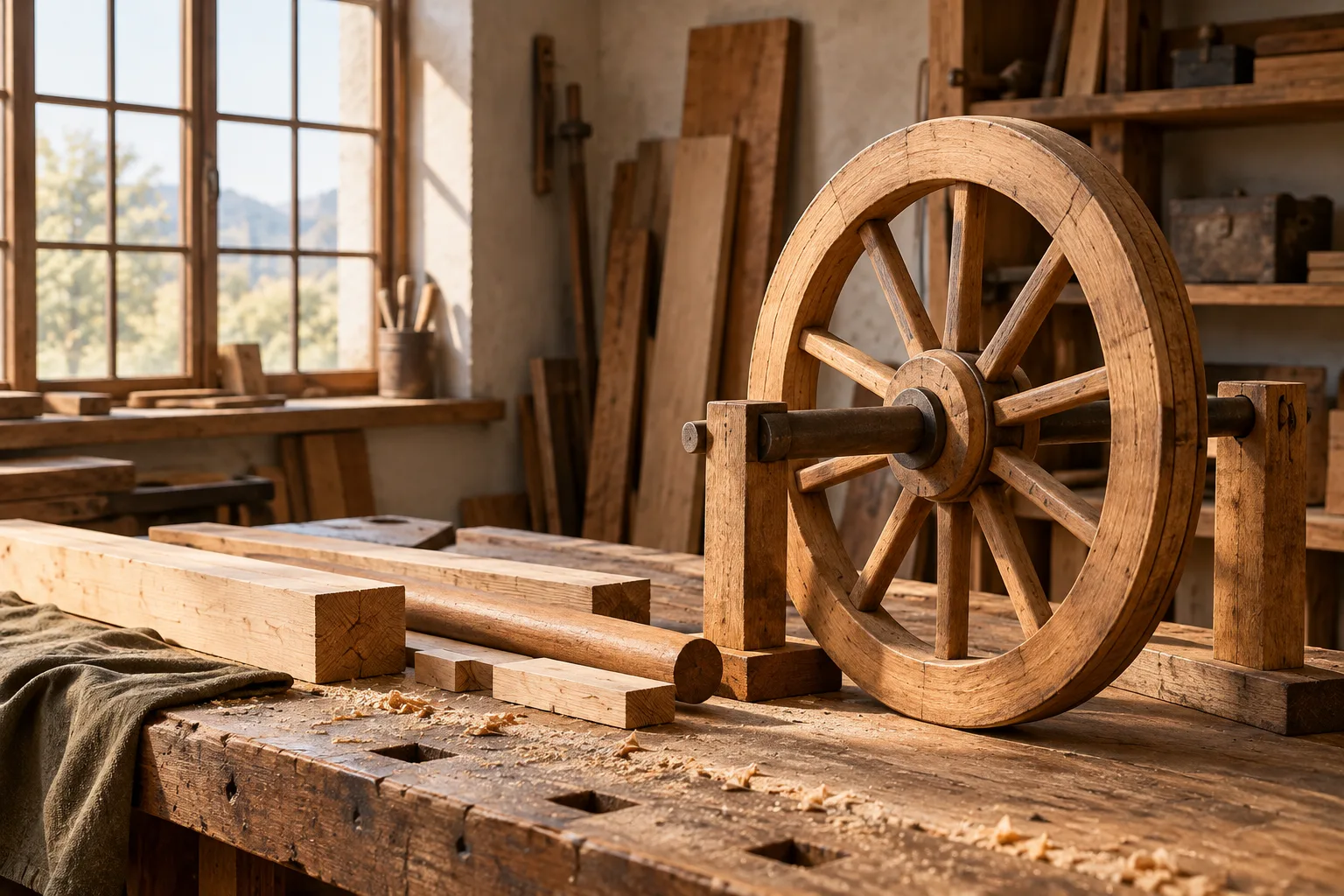
الْعَجَلَةُ وَالْمِحْوَرُ: آلَةٌ بَسِيطَةٌ تُغَيِّرُ الْعَالَمَ
Two friends discuss how the wheel reduces friction, why it was such an important invention, and where wheels are used in everyday life.
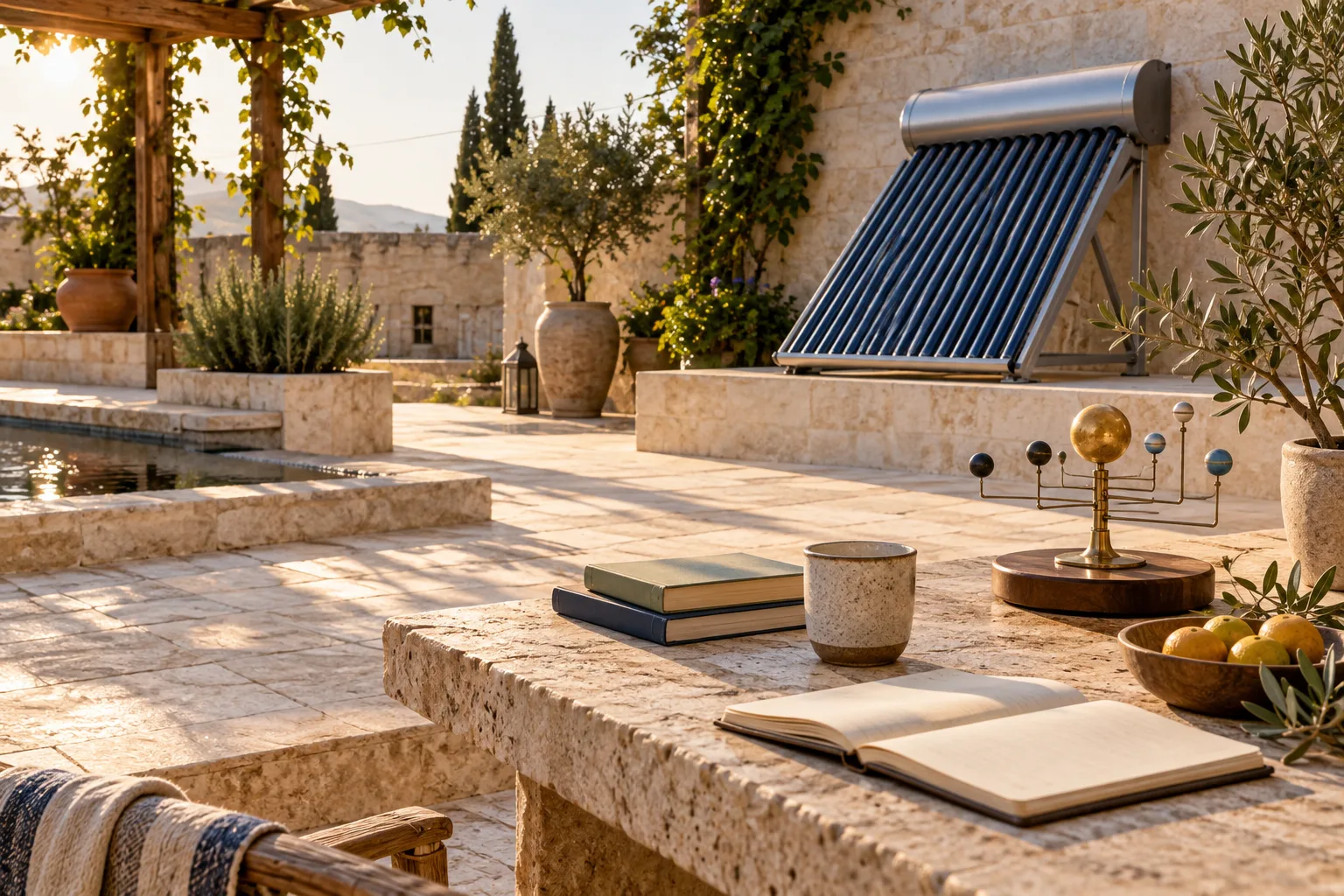
الْحَرَارَةُ: الإِشْعَاعُ وَالتَّوْصِيلُ وَالْحَمْلُ
A teacher and student explore the three ways heat moves from one place to another with everyday examples.
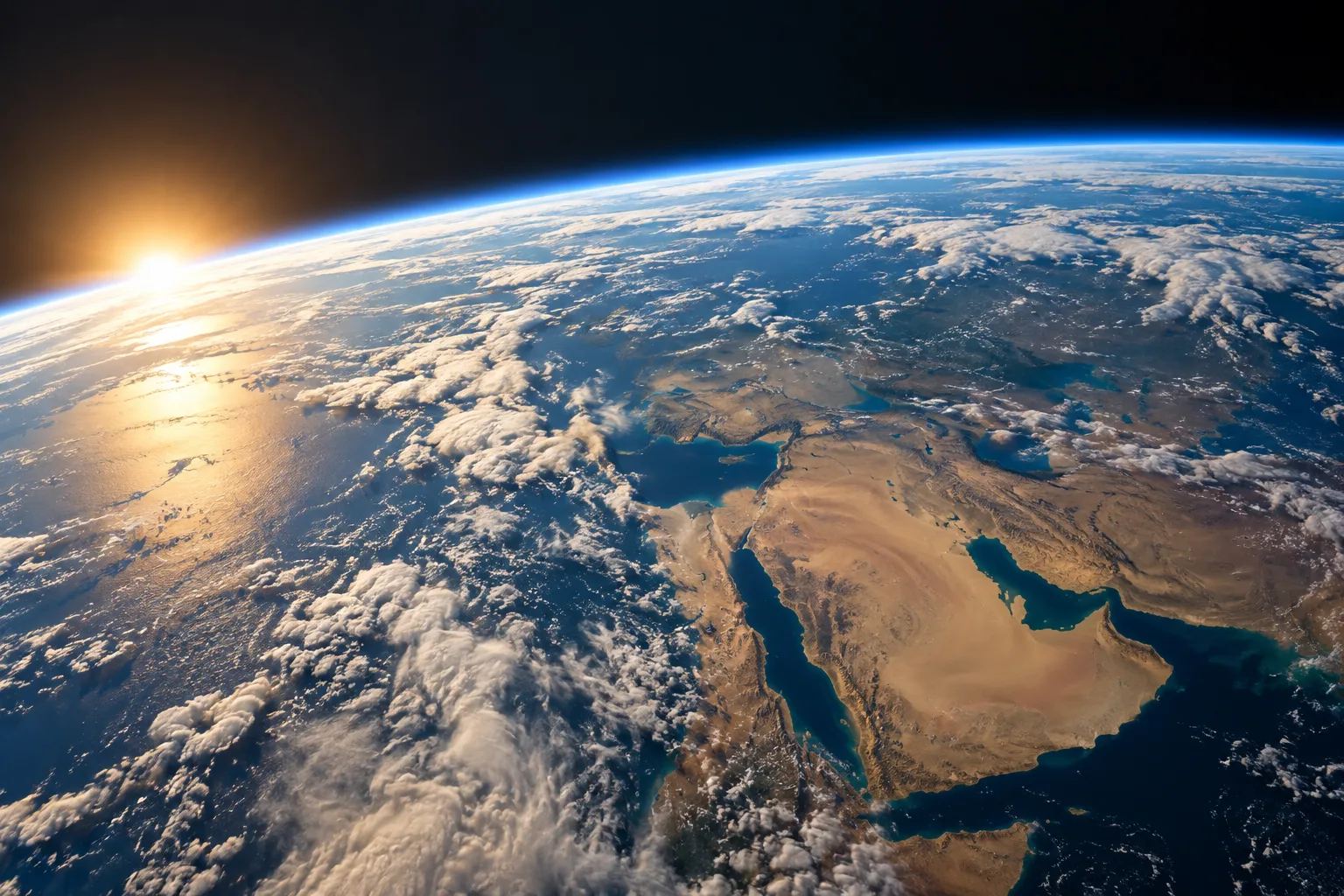
لِمَاذَا السَّمَاءُ تَبْدُو بِلَا نِهَايَةٍ؟
Two curious children wonder about the layers of the atmosphere and what lies beyond, learning that the sky gradually fades into space.
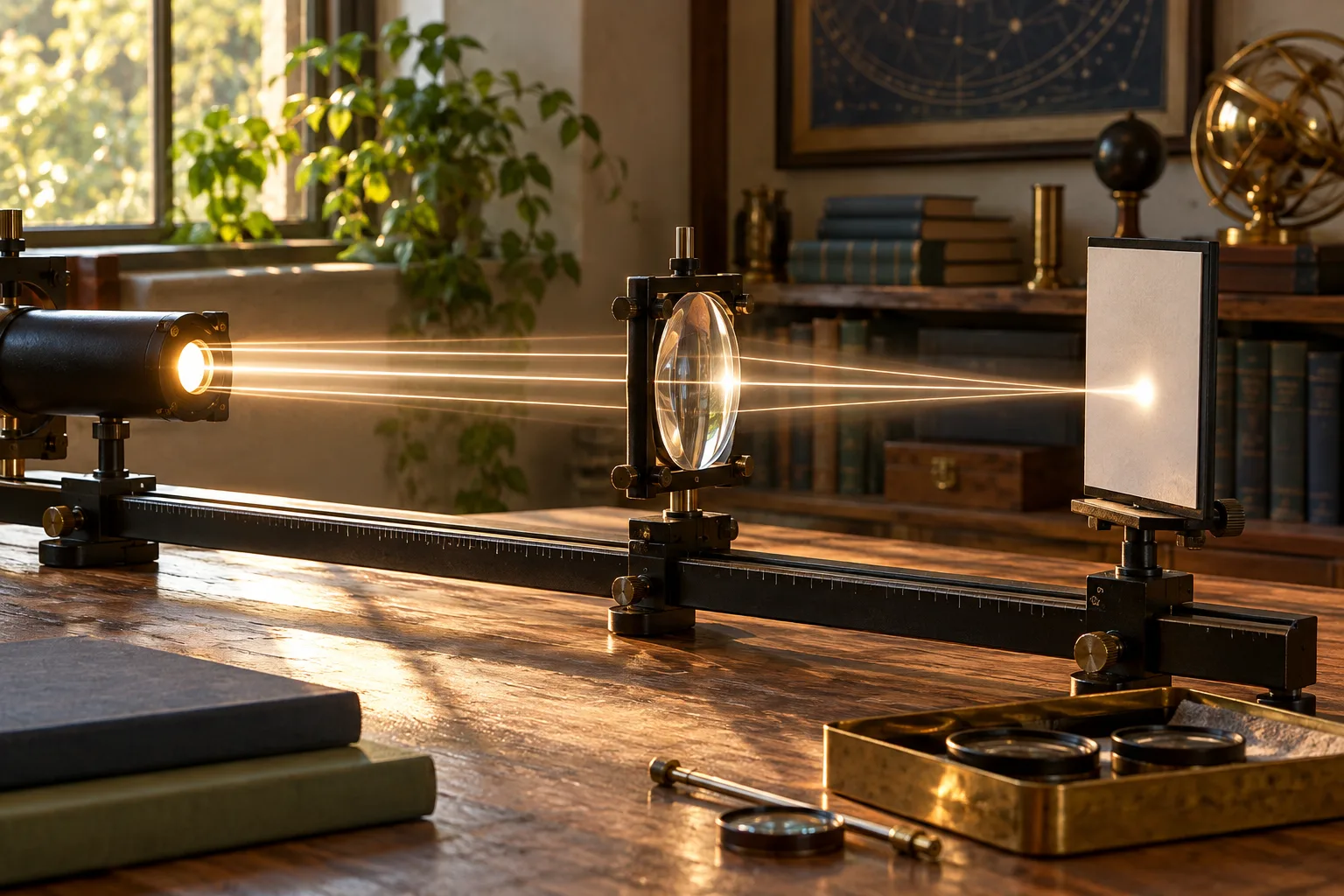
مَسَارُ الضَّوْءِ عَبْرَ الْعَدَسَةِ
Two students investigate how convex and concave lenses refract light differently, and how this principle underlies glasses and cameras.
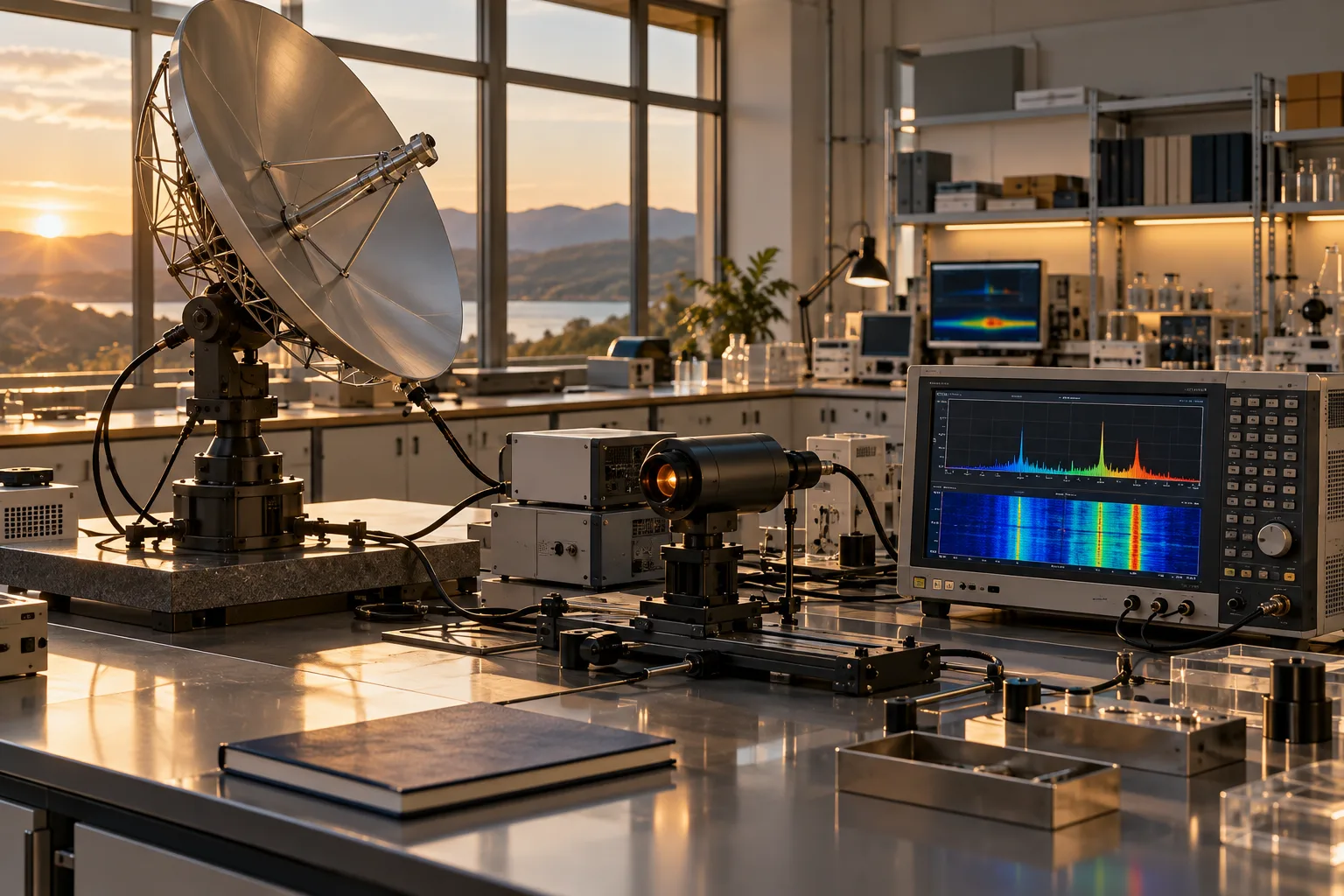
الطَّيْفُ الْكَهْرُومَغْنَاطِيسِيُّ: مَا وَرَاءَ الضَّوْءِ الْمَرْئِيِّ
Two advanced students explore the full electromagnetic spectrum from radio waves to gamma rays, and discuss their practical applications.
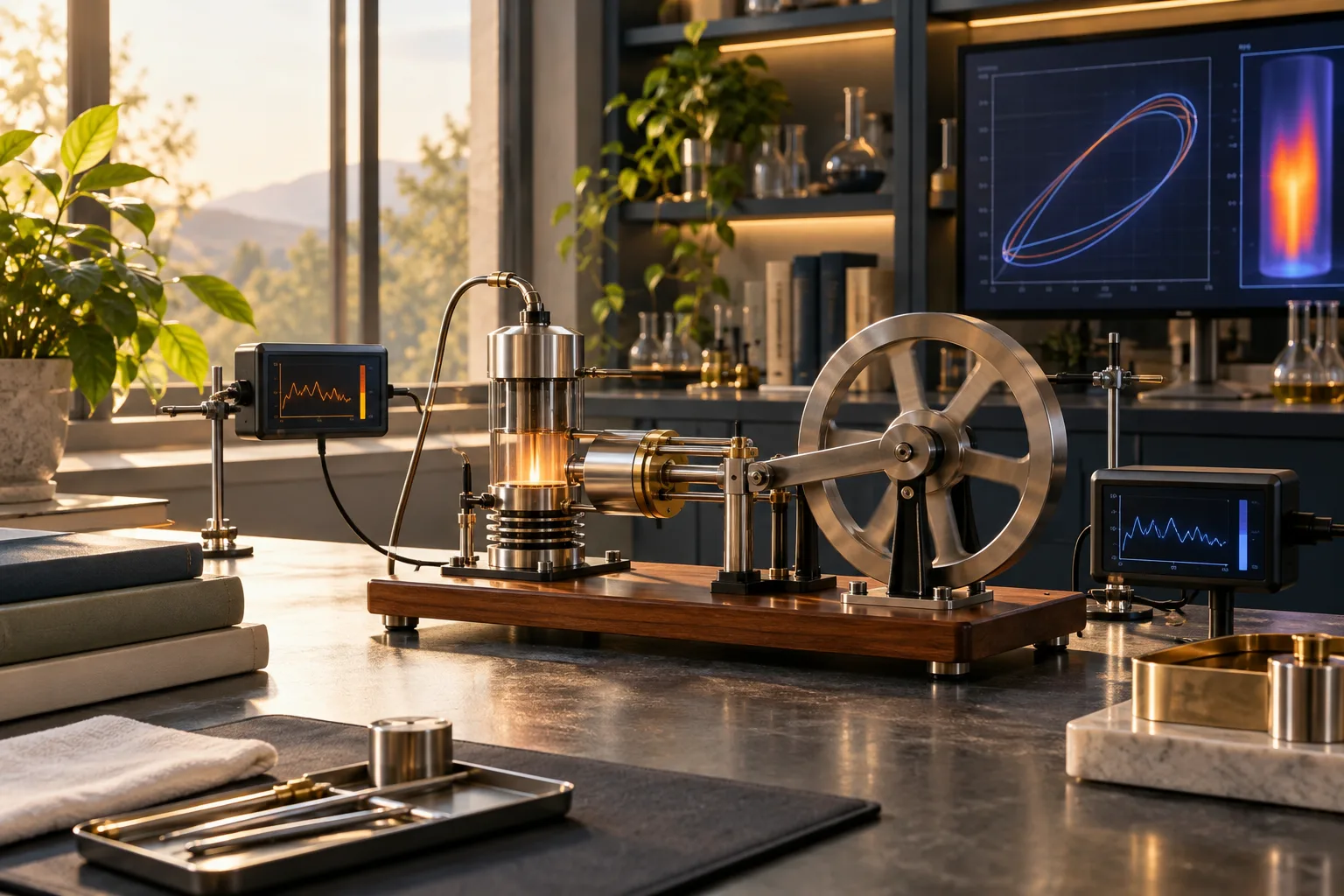
الطَّاقَةُ الْحَرَارِيَّةُ وَقَوَانِينُ الدِّيناَمِيكَا الْحَرَارِيَّةِ
Two university students discuss the first and second laws of thermodynamics, entropy, and why heat always flows from hot to cold.
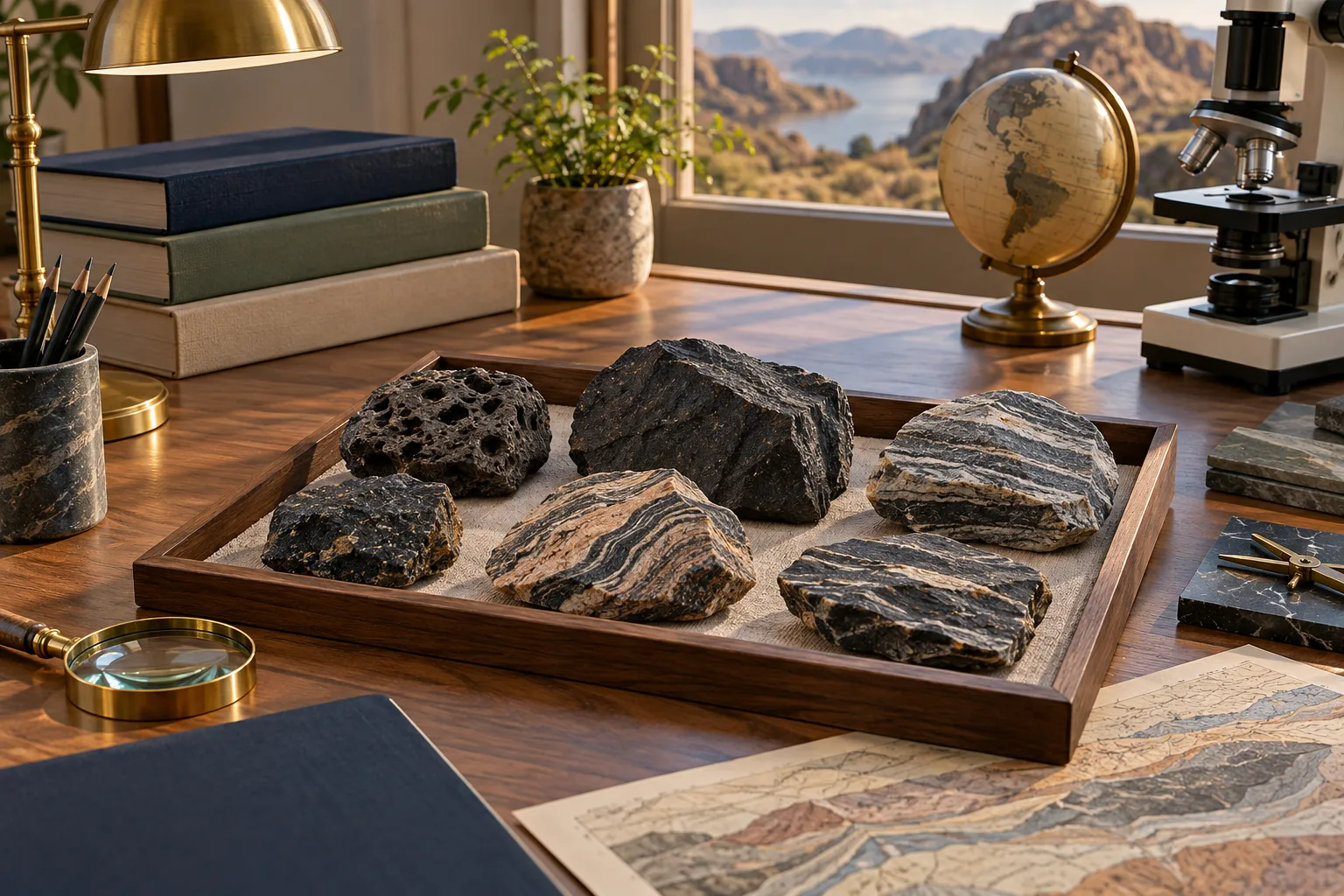
دَوْرَةُ الصُّخُورِ وَتَحَوُّلَاتُ الأَرْضِ
Two geology students trace how rocks transform between igneous, sedimentary, and metamorphic types over millions of years through heat, pressure, and erosion.

كَيْفَ يَعْمَلُ الْقَلْبُ؟
Two children discuss how the heart pumps blood through the body.

كَيْفَ نَتَنَفَّسُ؟
A student and teacher explore how the lungs and diaphragm make breathing possible.

الْحَوَاسُّ الْخَمْسُ
Two siblings talk about the five senses and what each one does for us.
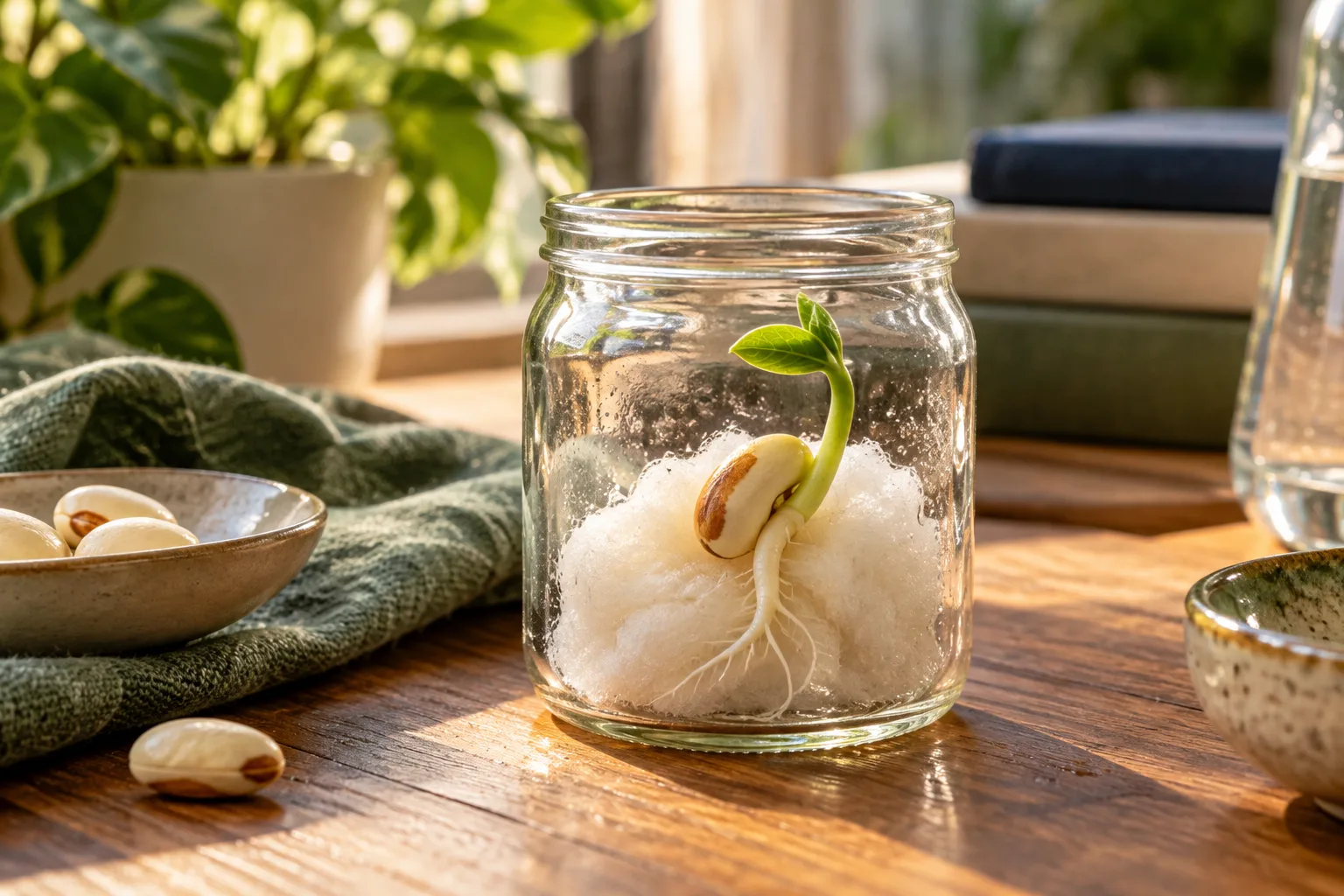
كَيْفَ تَنْمُو الْبُذُورُ؟
A child and parent observe seeds germinating and discuss the conditions plants need to grow.
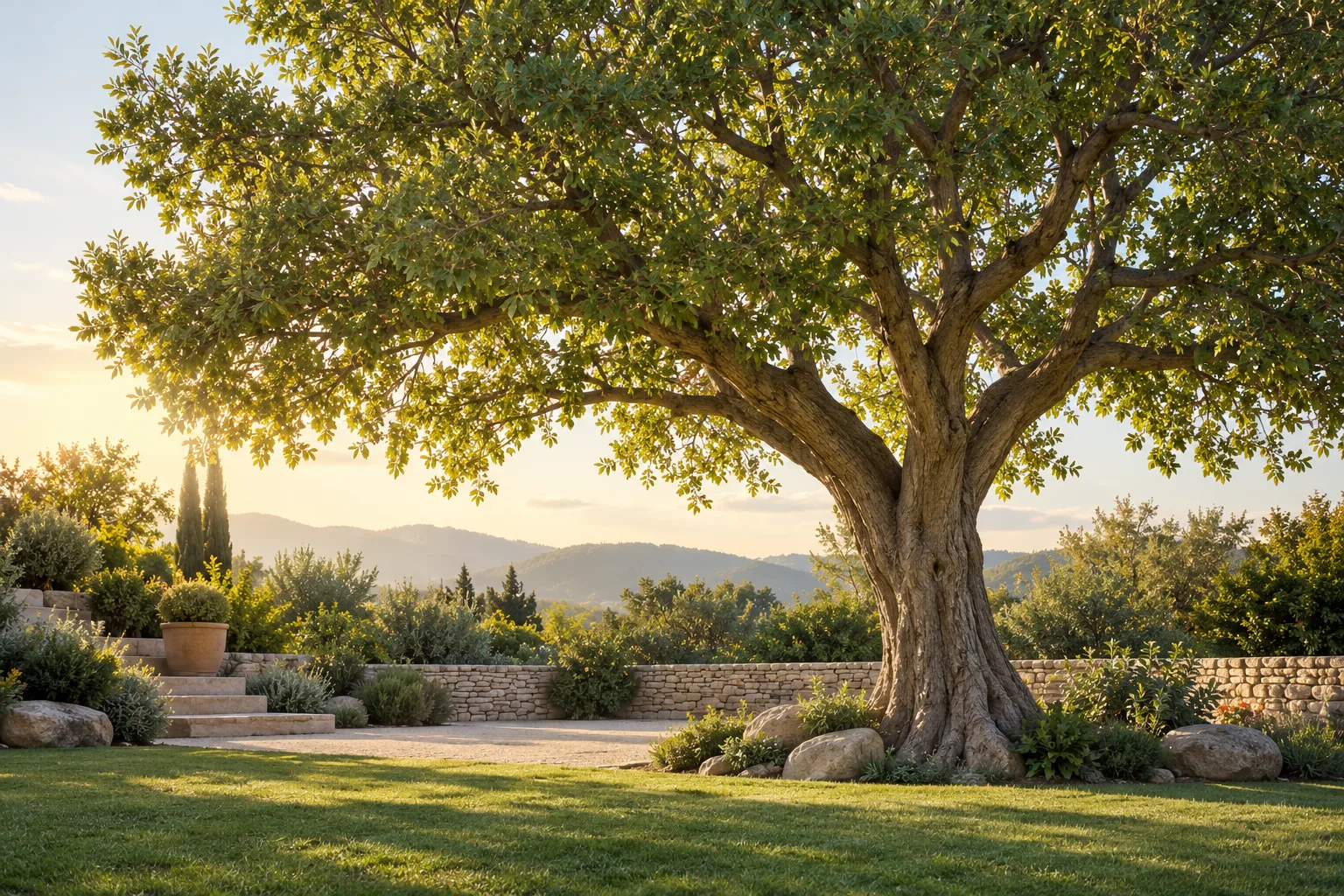
أَجْزَاءُ الشَّجَرَةِ
Two students name and describe the main parts of a tree and their functions.
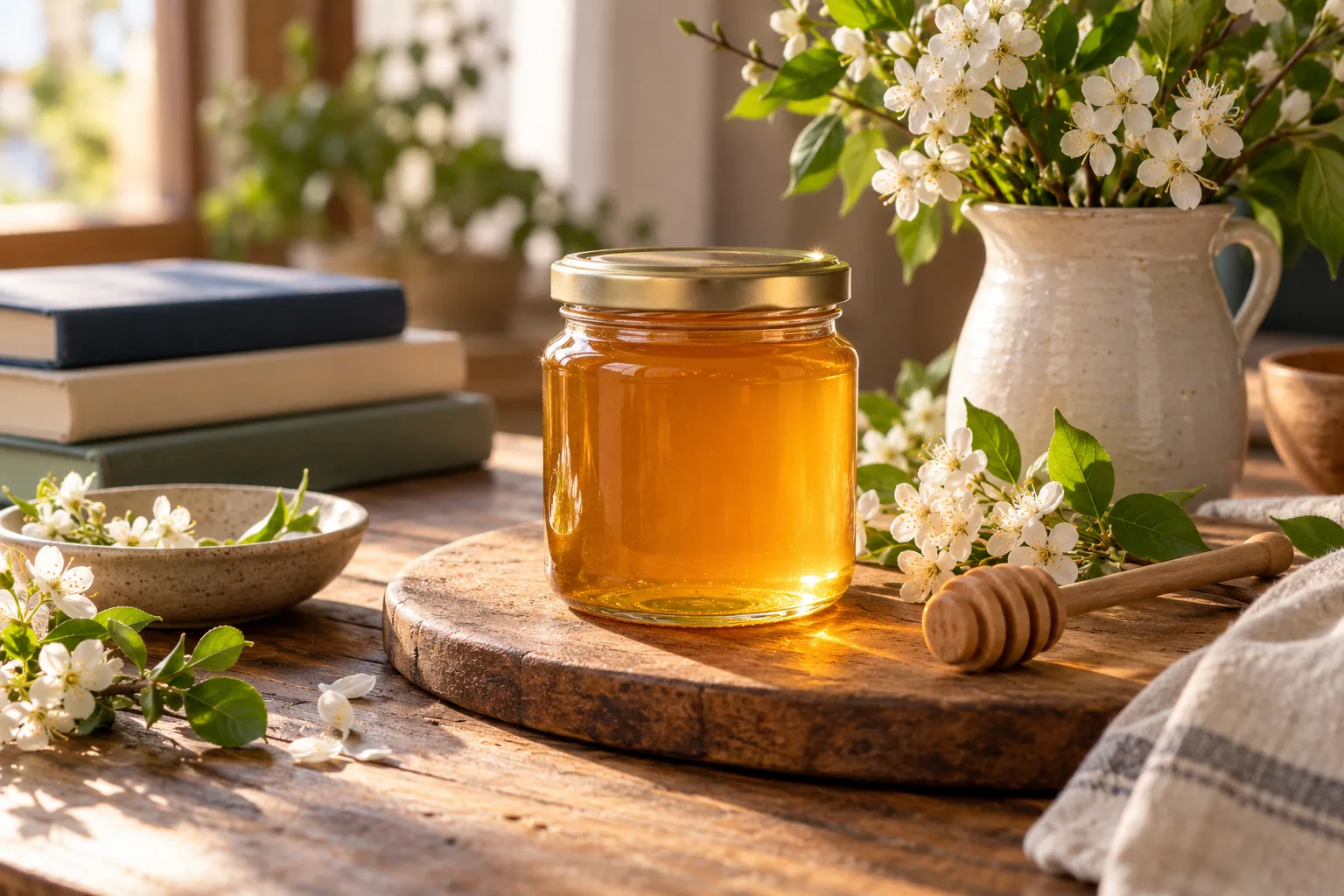
كَيْفَ تَصْنَعُ النَّحْلَةُ الْعَسَلَ؟
Two friends discuss the remarkable process by which bees collect nectar and turn it into honey.
دَوْرَةُ حَيَاةِ الْفَرَاشَةِ
A teacher explains to students the four stages of a butterfly's life cycle.
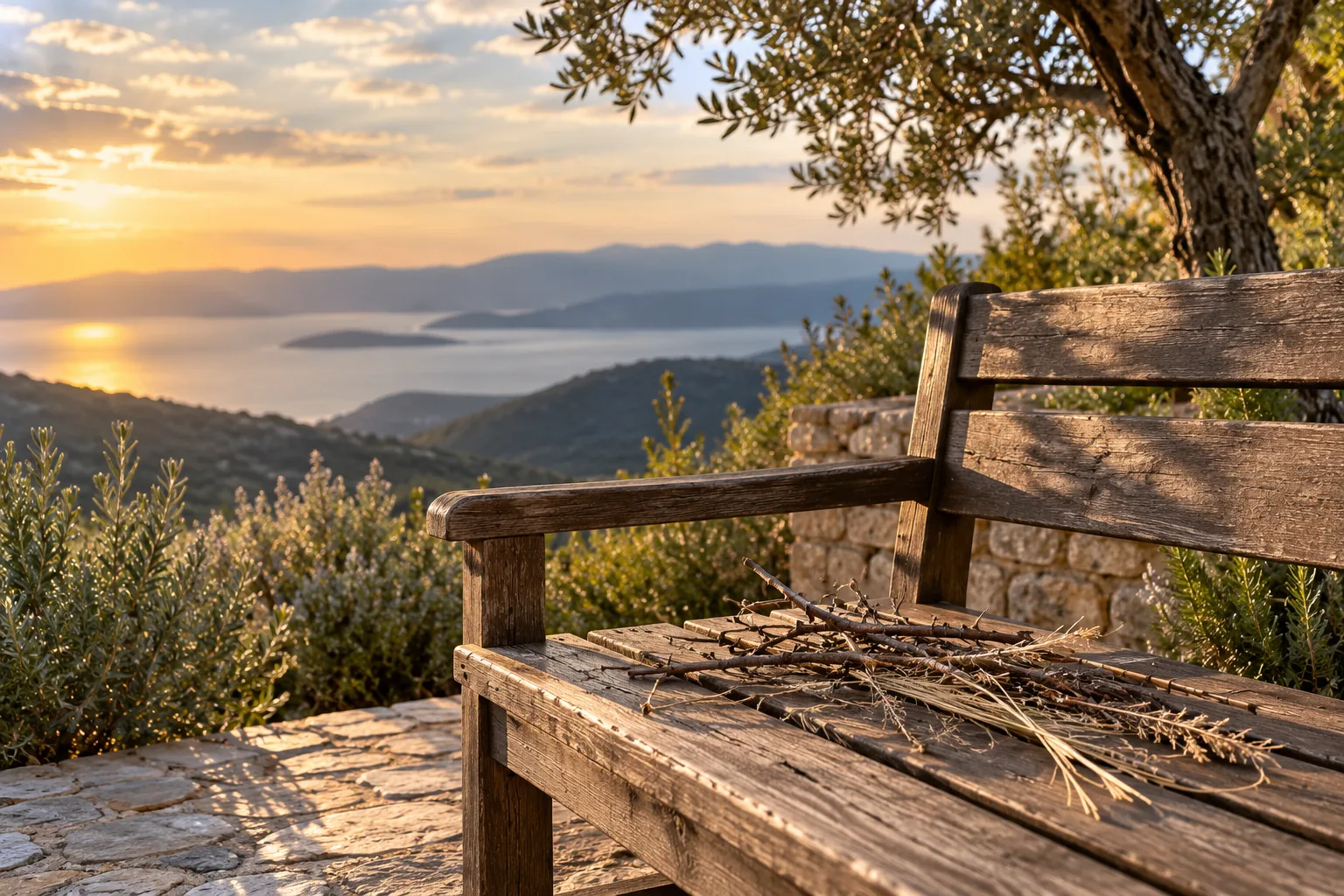
الطُّيُورُ وَأَعْشَاشُهَا
Two children observe birds in a garden and discuss how birds build nests and care for their young.
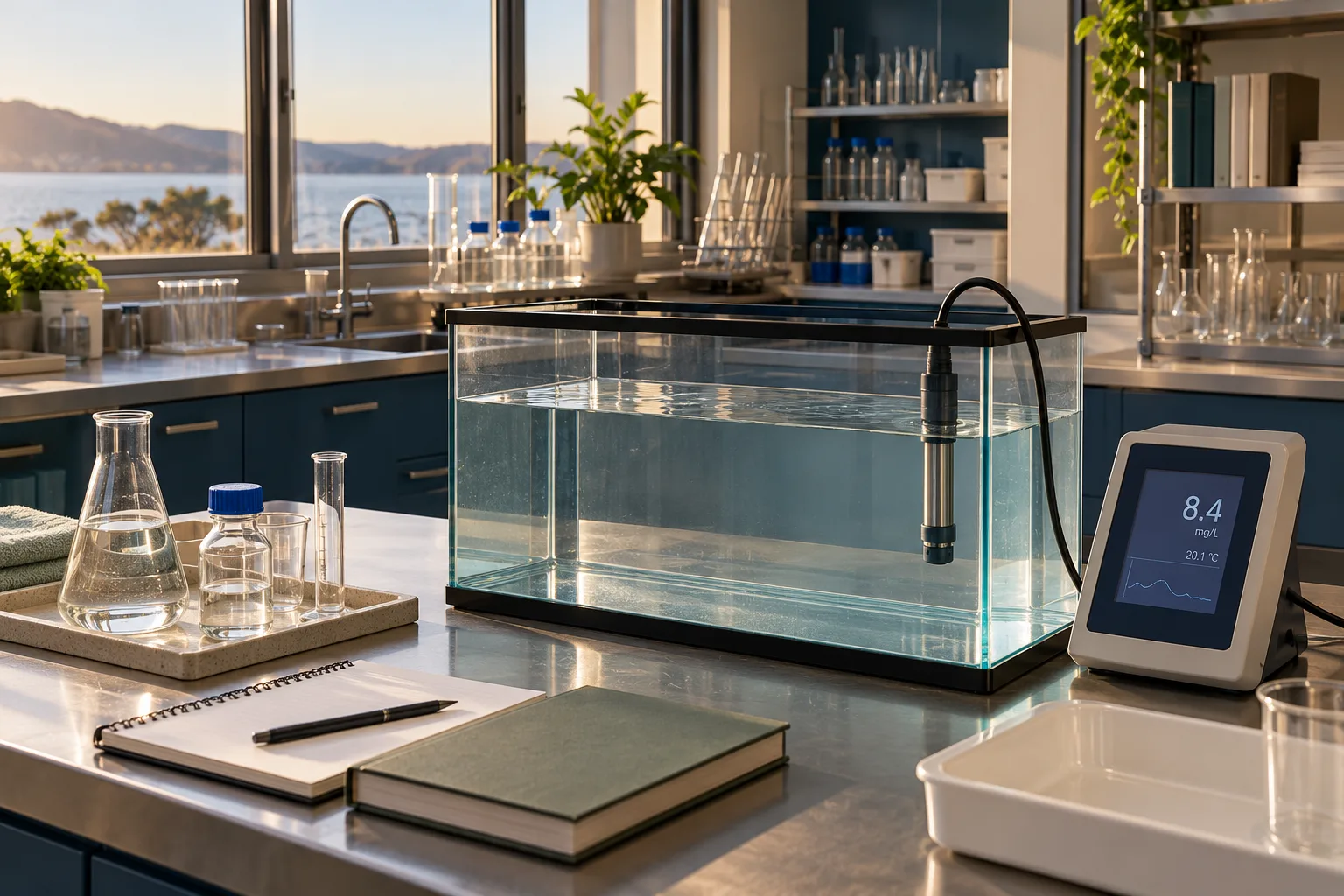
الْأَسْمَاكُ وَالْخَيَاشِيمُ
A student asks a biology teacher how fish breathe underwater using gills.
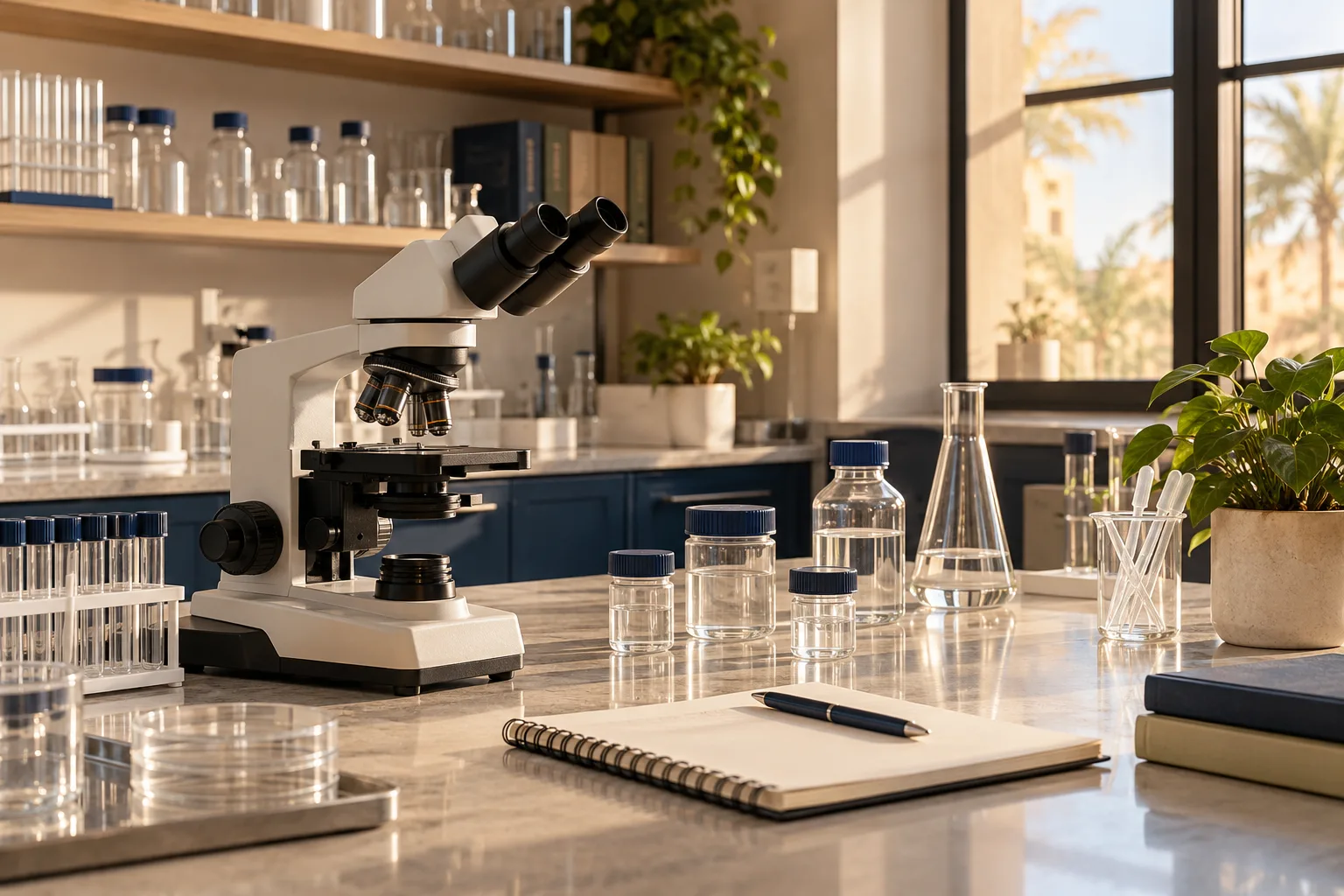
الْمِيكْرُوبَاتُ وَالْجَرَاثِيمُ
A parent explains to a child what microbes are, the difference between helpful and harmful ones, and why hygiene matters.
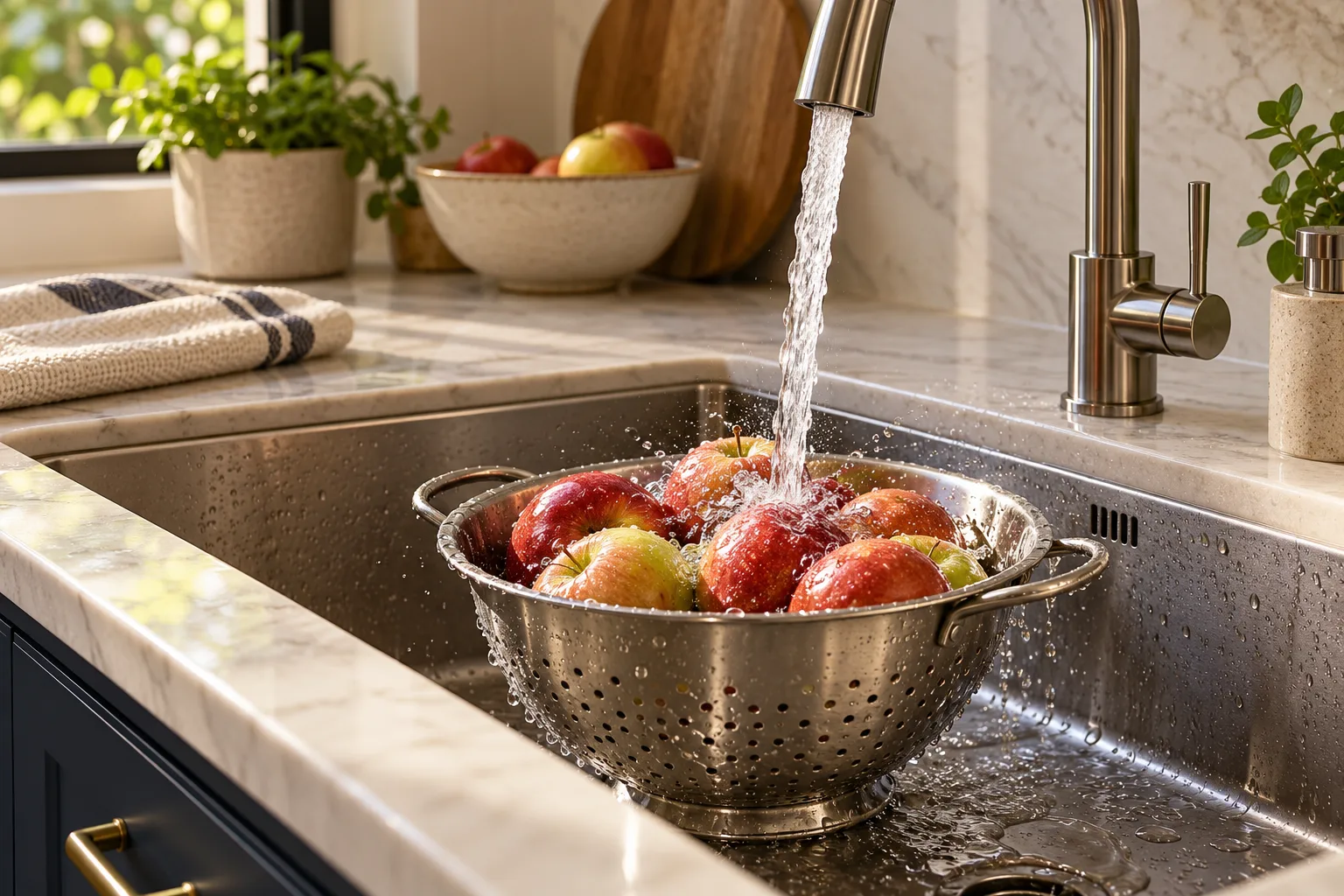
لِمَاذَا نَغْسِلُ الْفَاكِهَةَ؟
A child asks why fruit must be washed before eating, and learns about pesticides and germs.

السِّلْسِلَةُ الْغِذَائِيَّةُ
Two students explore how energy flows through a food chain from plants to herbivores to predators.
الْعَضَلَاتُ وَالْعِظَامُ
Two young athletes discuss how muscles and bones work together to produce movement.

الدَّمُ وَالدَّوْرَةُ الدَّمَوِيَّةُ
A student and teacher discuss the components of blood and how circulation keeps the body alive.
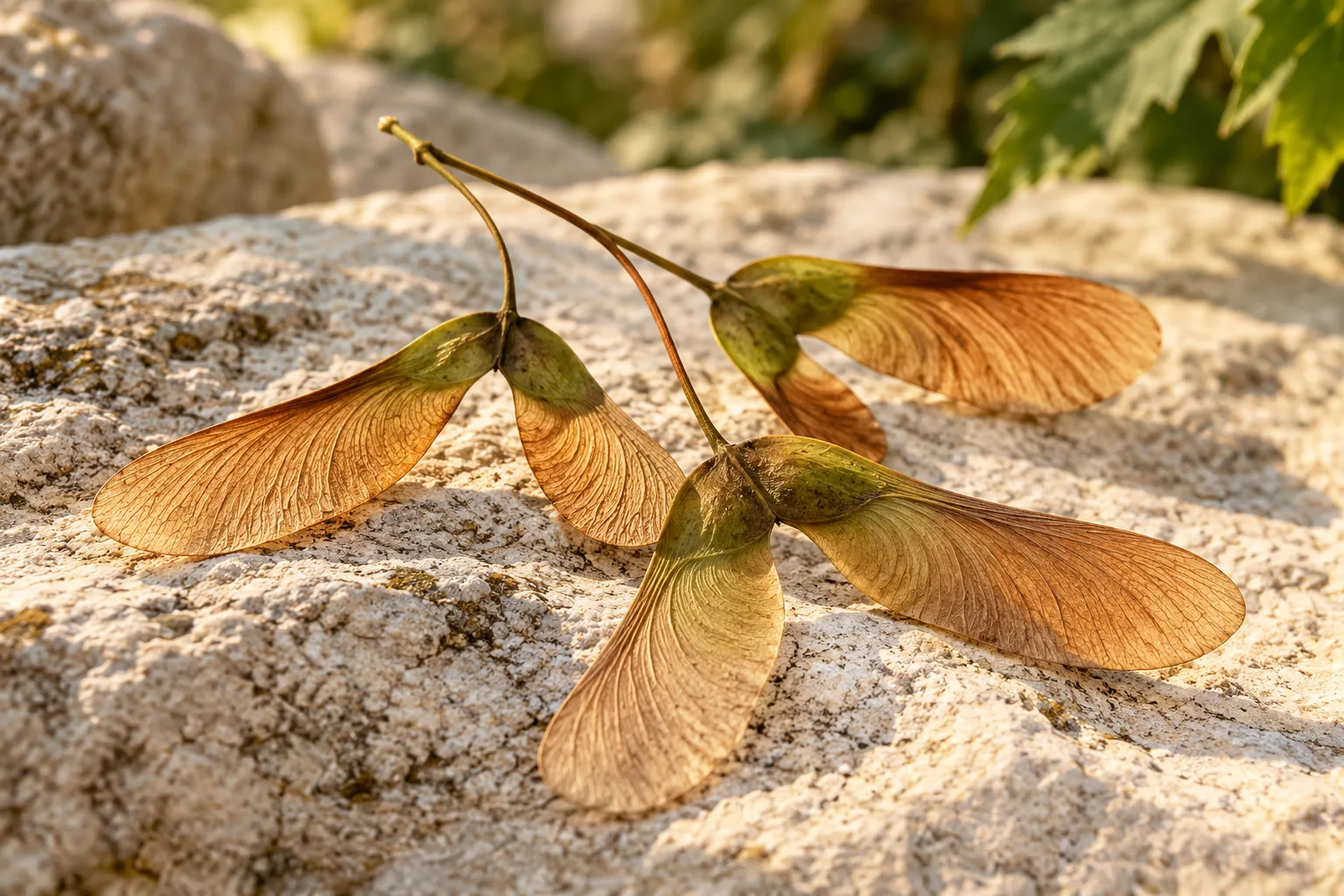
كَيْفَ تَنْتَشِرُ الْبُذُورُ؟
Two friends on a nature walk discuss the clever ways plants disperse their seeds.