Read across five tongues.
Short articles and everyday conversations — Arabic fully vowelled, Japanese with furigana — each with Thai sentence translations, tap-a-word glosses, and recorded narration where you see the audio badge.
1000 conversations · page 28 of 42
فِلْسَفَةُ التَّارِيخِ عِنْدَ ابْنِ خَلْدُونَ وَمَفْهُومُ الْعَصَبِيَّةِ
Two academics critically engage with Ibn Khaldun's cyclical theory of civilizational rise and decline.
الذَّاكِرَةُ التَّارِيخِيَّةُ وَبِنَاءُ الْهُوِيَّةِ الْجَمَاعِيَّةِ
Two intellectuals explore how communities construct and contest historical memory to shape present-day identity.
زِيَارَةُ الْمَتْحَفِ
Two children visit a museum and learn about ancient Egyptian artifacts on display.
بَيْتُ الْحِكْمَةِ
A student asks her teacher about the famous House of Wisdom in Baghdad and its role in preserving knowledge.
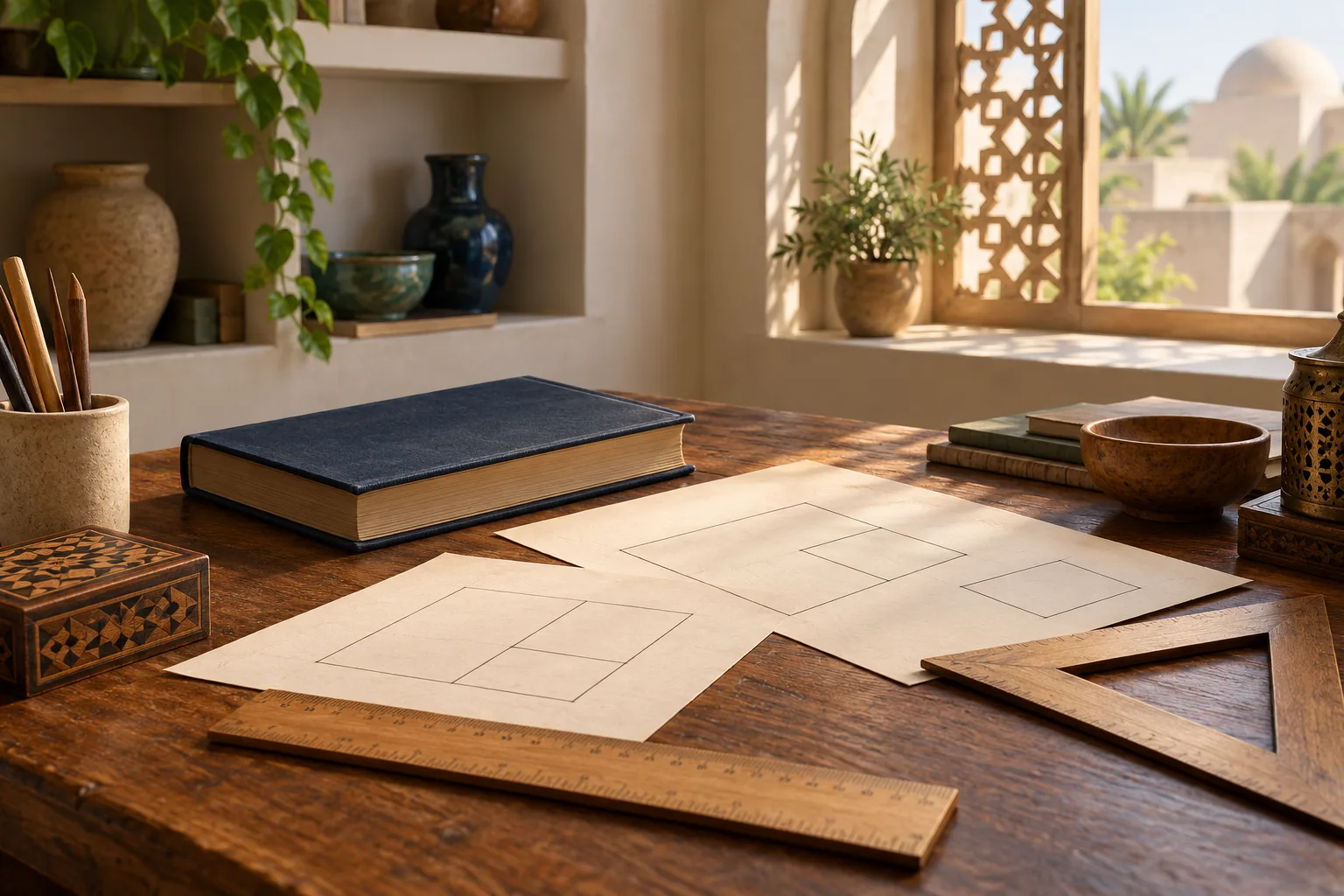
الْخَوَارِزْمِيُّ وَالْجَبْرُ
Two friends discuss the life of Al-Khwarizmi and his founding contribution to algebra.
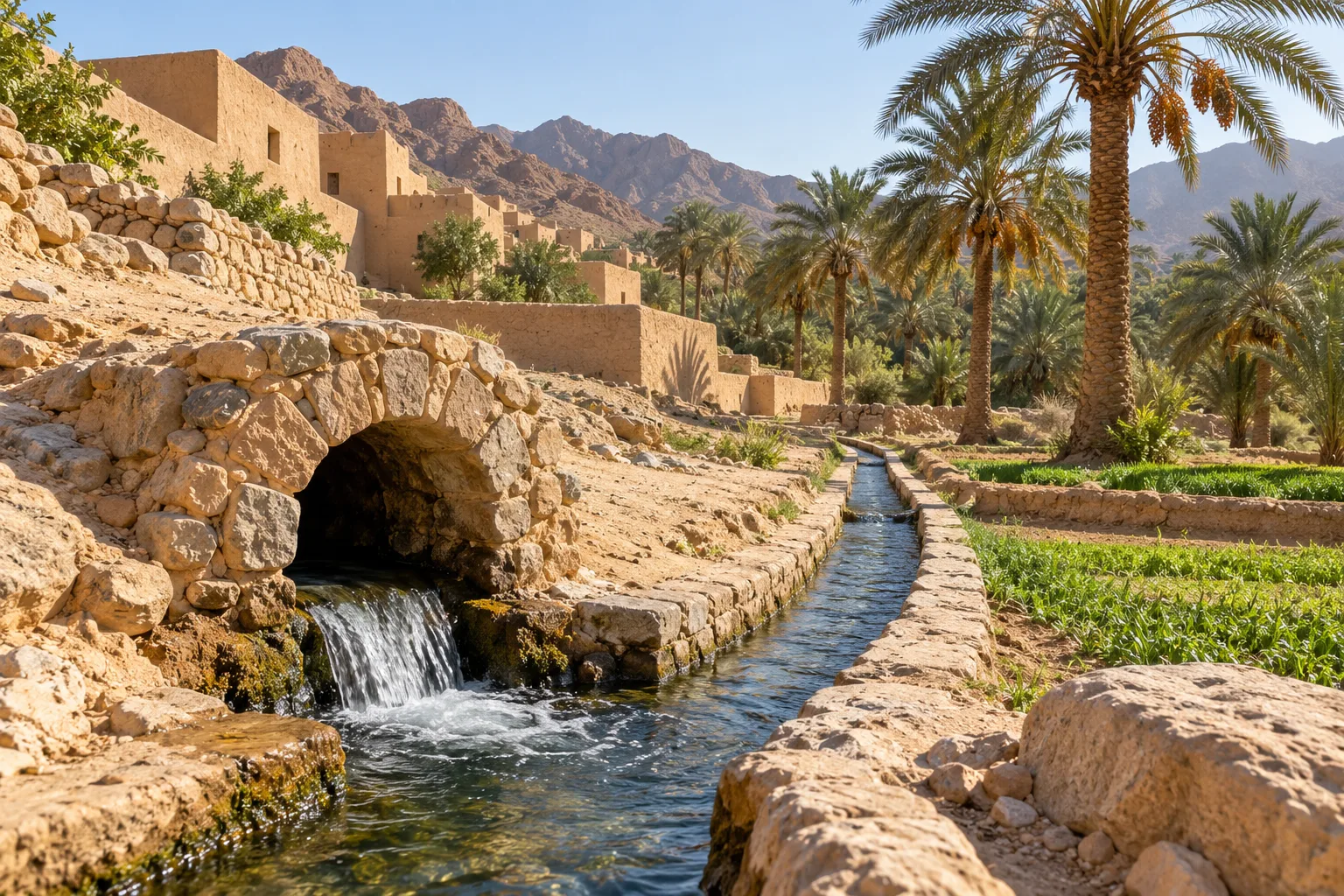
الْقَنَاةُ الْقَدِيمَةُ
A grandfather explains to his grandchild how ancient qanat water channels worked in arid lands.
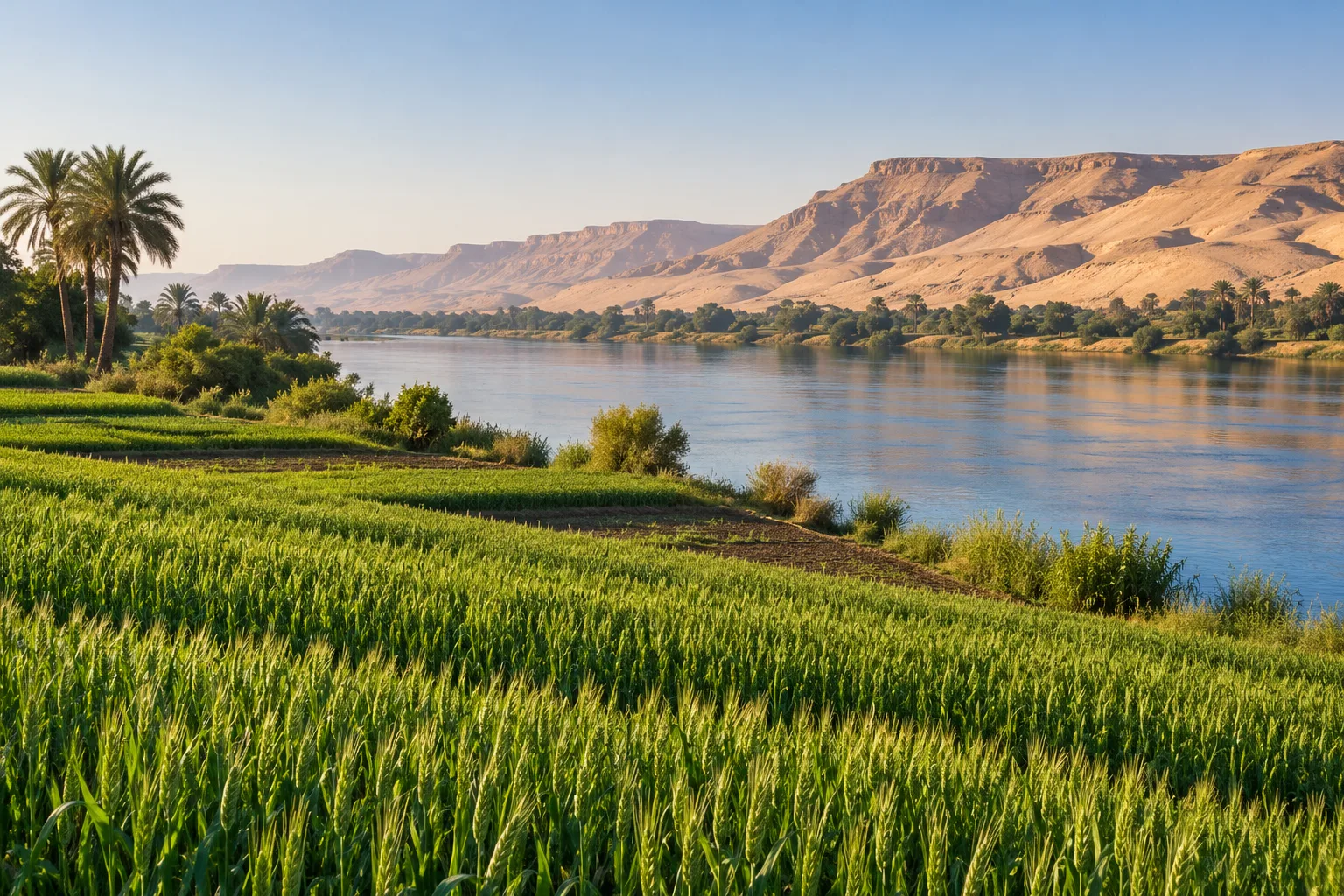
النِّيلُ وَالزِّرَاعَةُ
Two young pupils discuss how the annual Nile flood made ancient Egyptian agriculture possible.
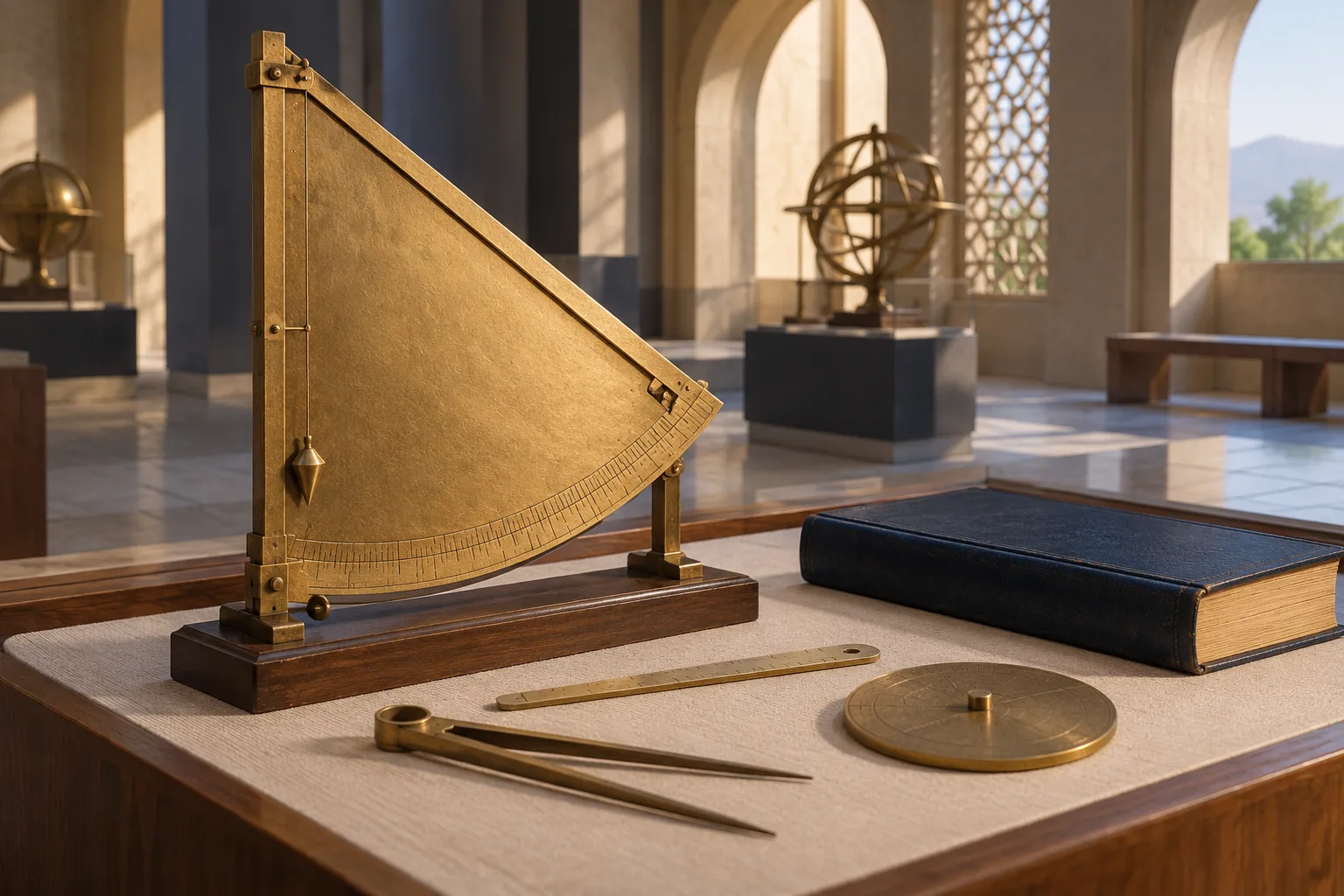
مَرْصَدُ مَرَاغَة
A teacher and student discuss the medieval Islamic Maragha observatory and its astronomical contributions.
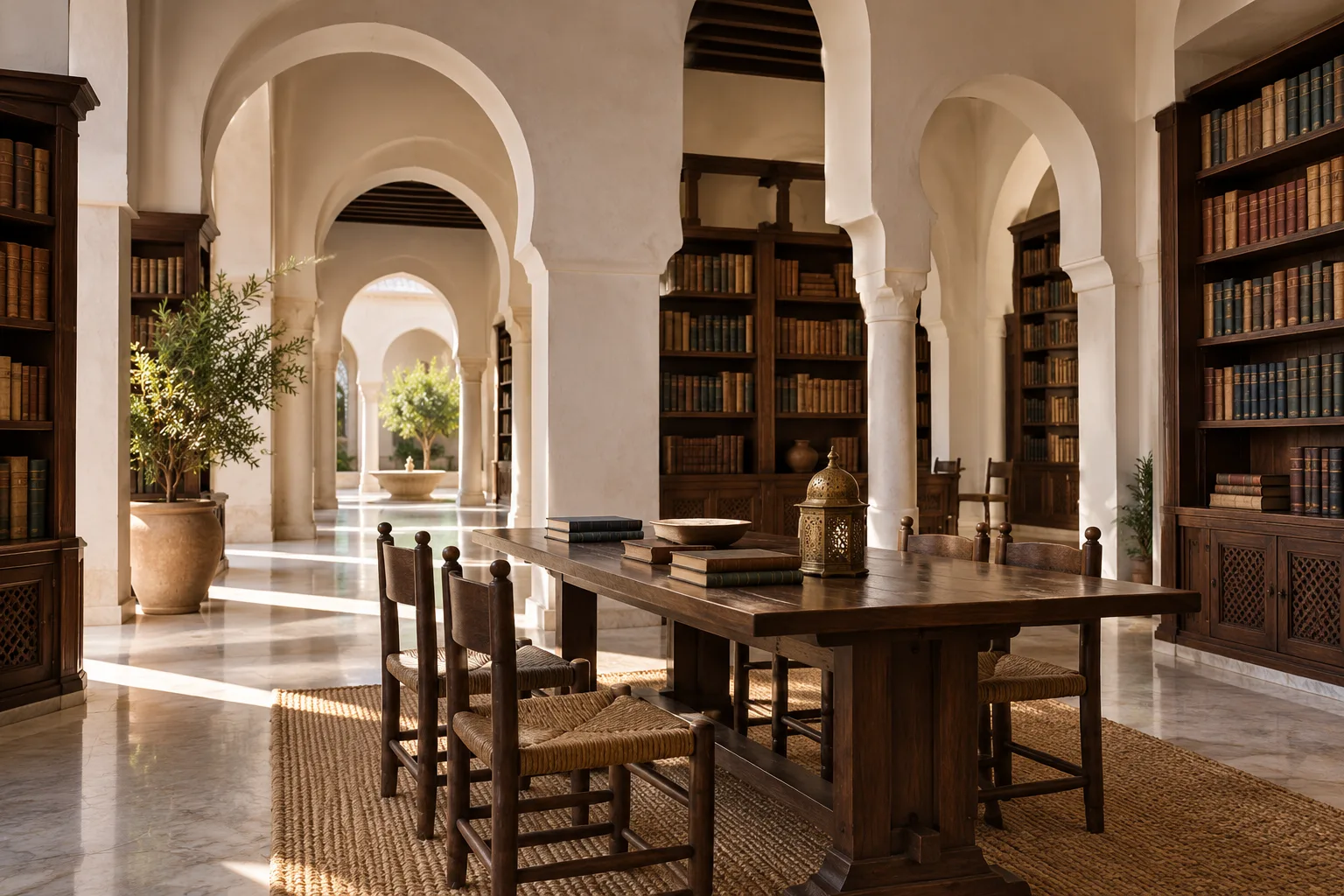
مَكْتَبَاتُ قُرْطُبَةَ
Two history enthusiasts discuss the magnificent libraries of Cordoba during the Islamic period in Andalusia.
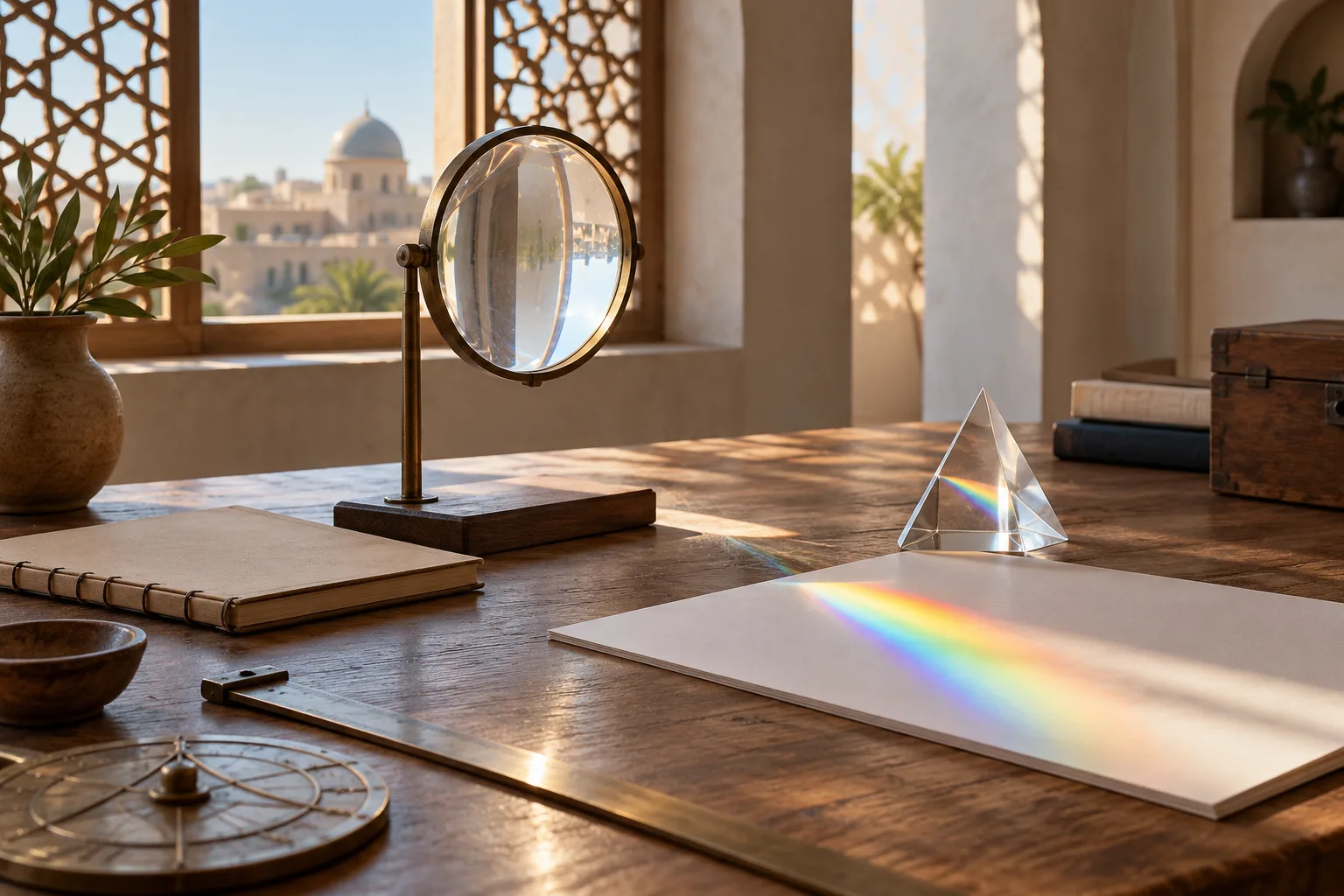
ابْنُ الْهَيْثَمِ وَعِلْمُ الْبَصَرِيَّاتِ
A university student and her professor discuss Ibn al-Haytham's groundbreaking work in optics and the scientific method.
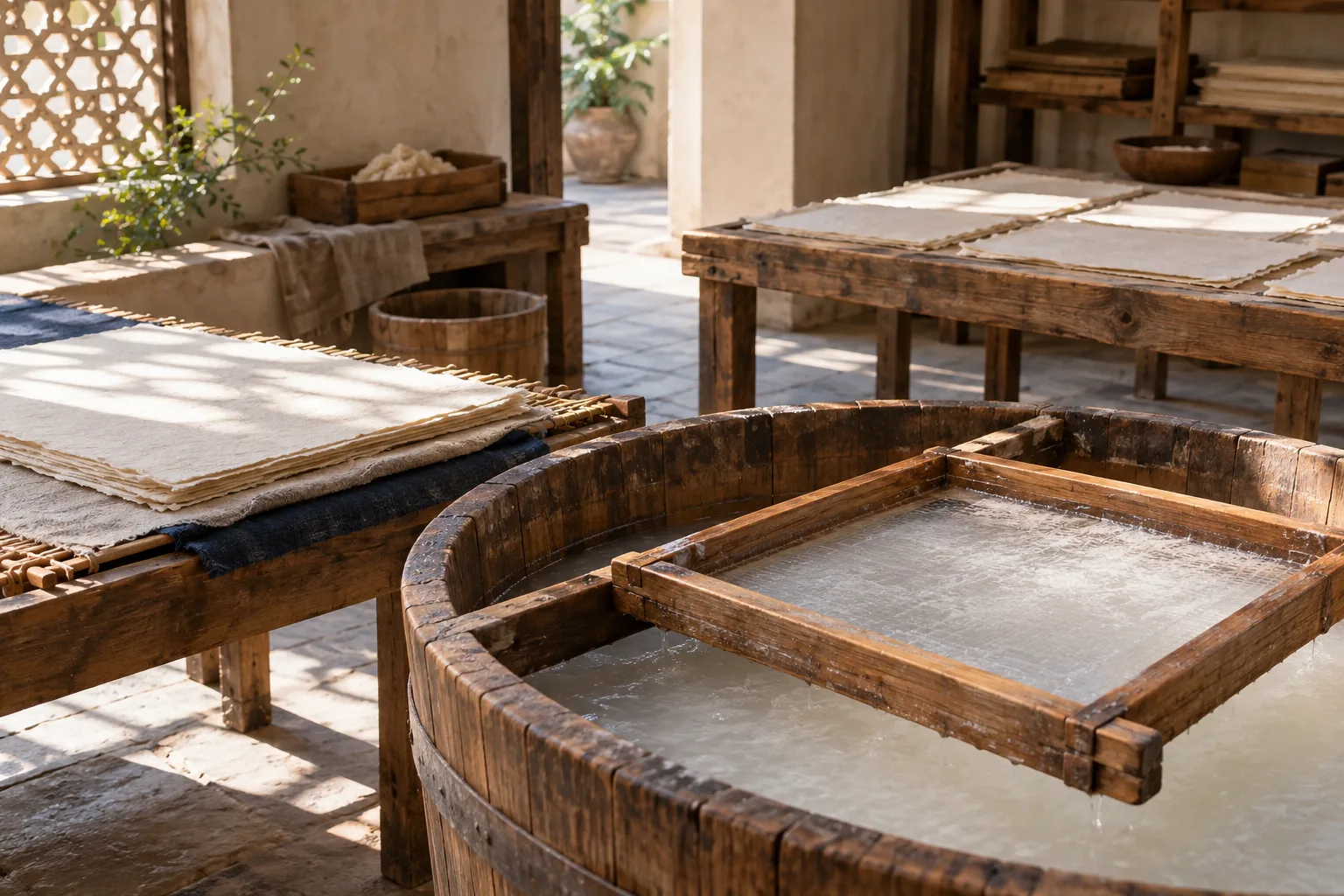
اخْتِرَاعُ الْوَرَقِ
Two colleagues discuss how paper-making spread from China through the Islamic world to Europe.
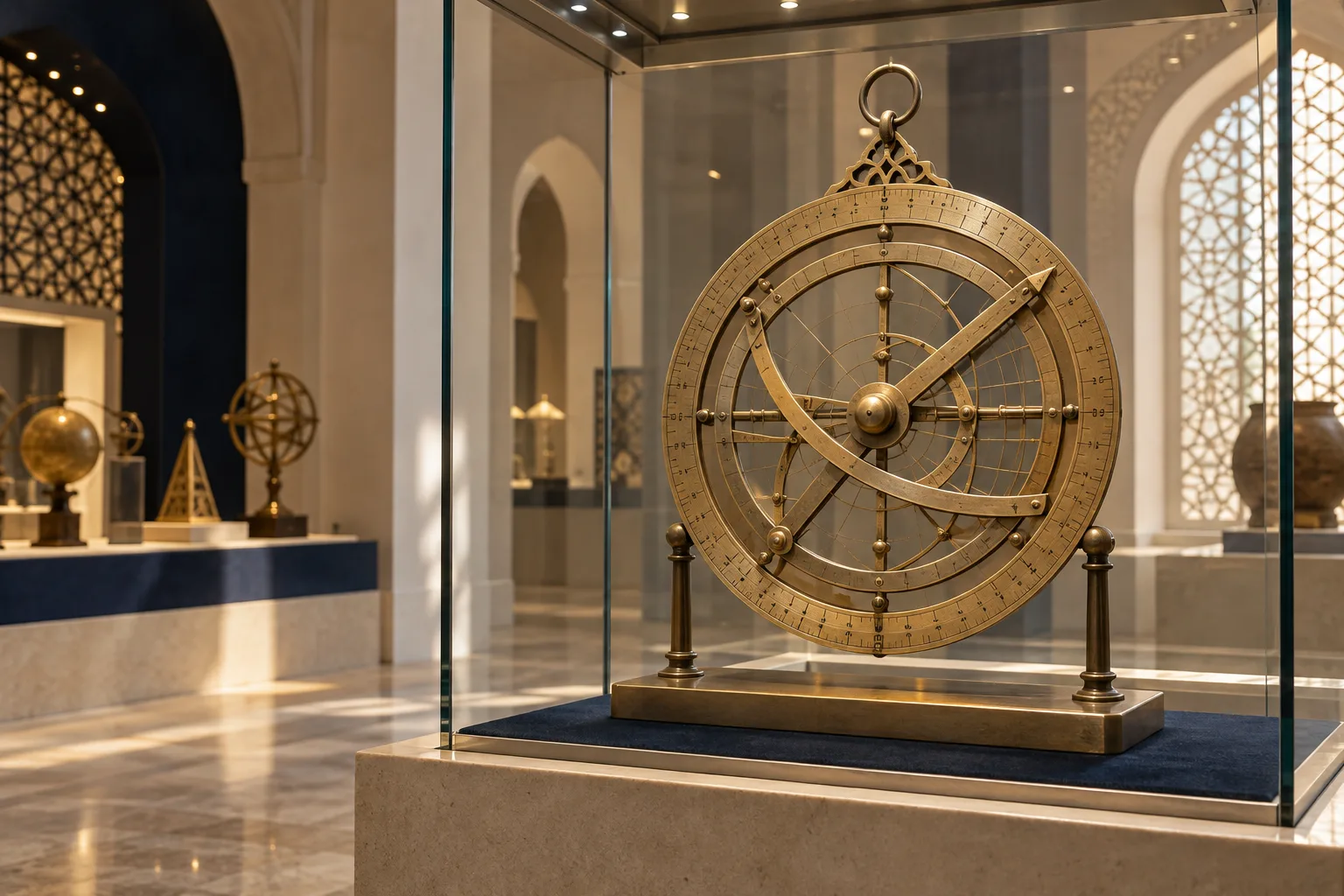
الْإِسْطَرْلَابُ
A museum guide explains the astrolabe's history and uses to a curious visitor.
الْبِيمَارِسْتَانُ
A student researching medical history asks a librarian about Islamic medieval hospitals and their innovations.
حَضَارَةُ بَابِلَ وَالرِّيَاضِيَّاتُ
Two academics debate the mathematical achievements of ancient Babylon and their legacy in later civilisations.
طُرُقُ تِجَارَةِ الْبَخُورِ وَالتَّوَابِلِ
Two historians analyse the ancient incense and spice trade routes linking Arabia, India, and the Mediterranean.
مَدِينَةُ الزَّهْرَاءِ وَعُمْرَانُ الْأَنْدَلُسِ
Two architectural historians discuss the Umayyad palace-city of Madinat al-Zahra as an example of Islamic urban design.
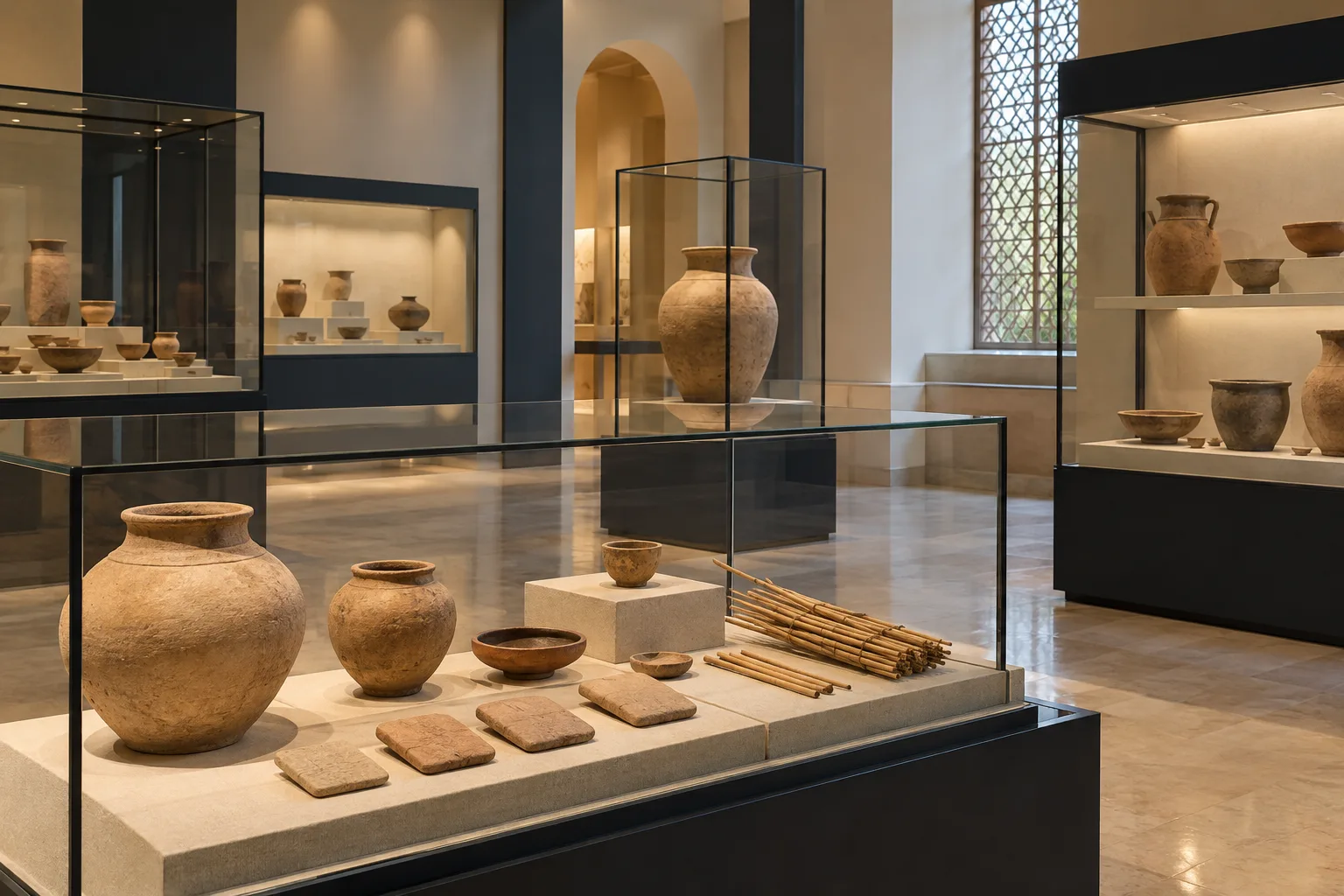
زِيَارَةُ مَتْحَفِ الرَّافِدَيْنِ
A mother and her son explore a museum exhibit about ancient Mesopotamia and the Hanging Gardens.
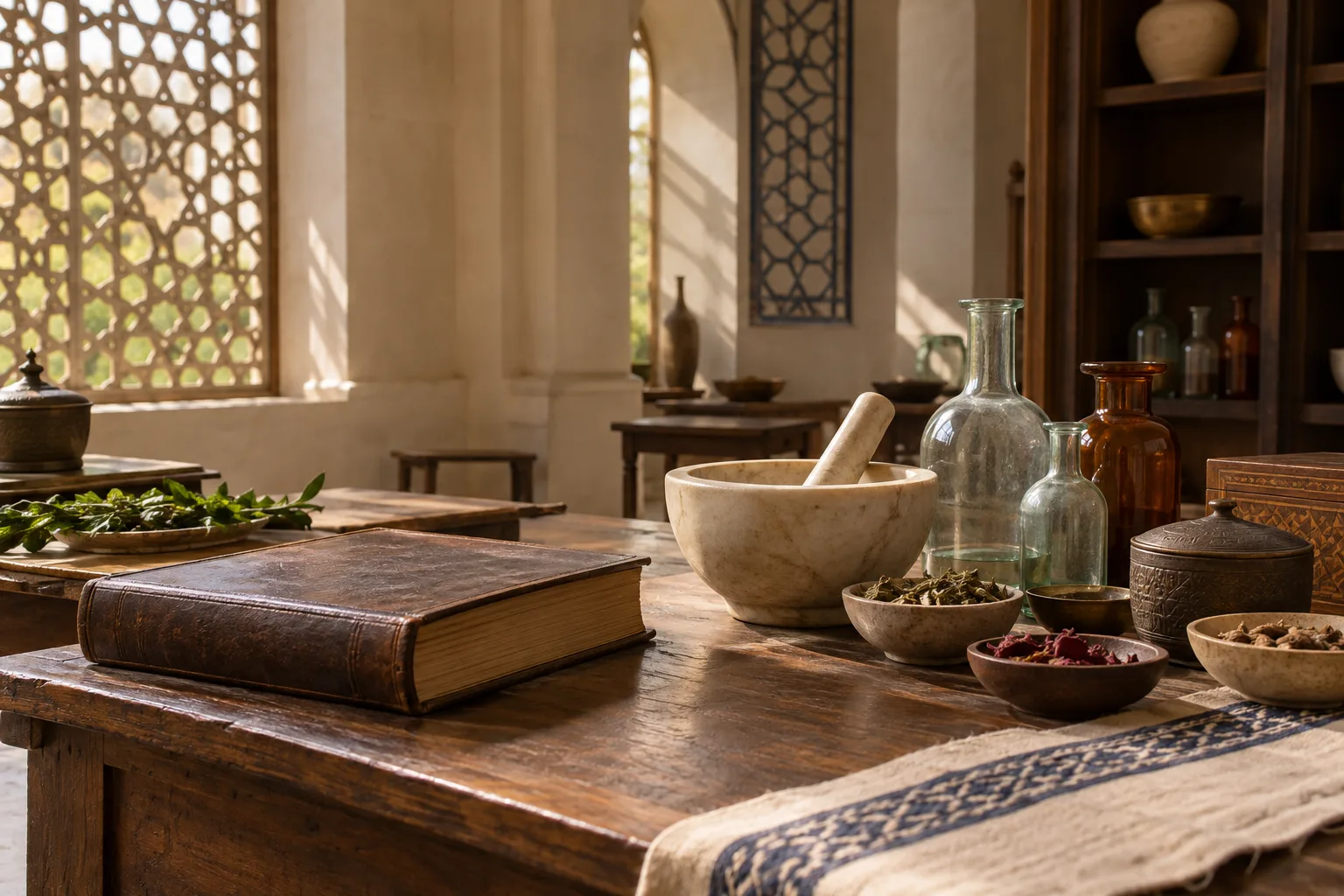
مَعَادِنُ الطِّبِّ الْإِسْلَامِيِّ
Two young siblings ask their father about great Islamic physicians and their medical discoveries.
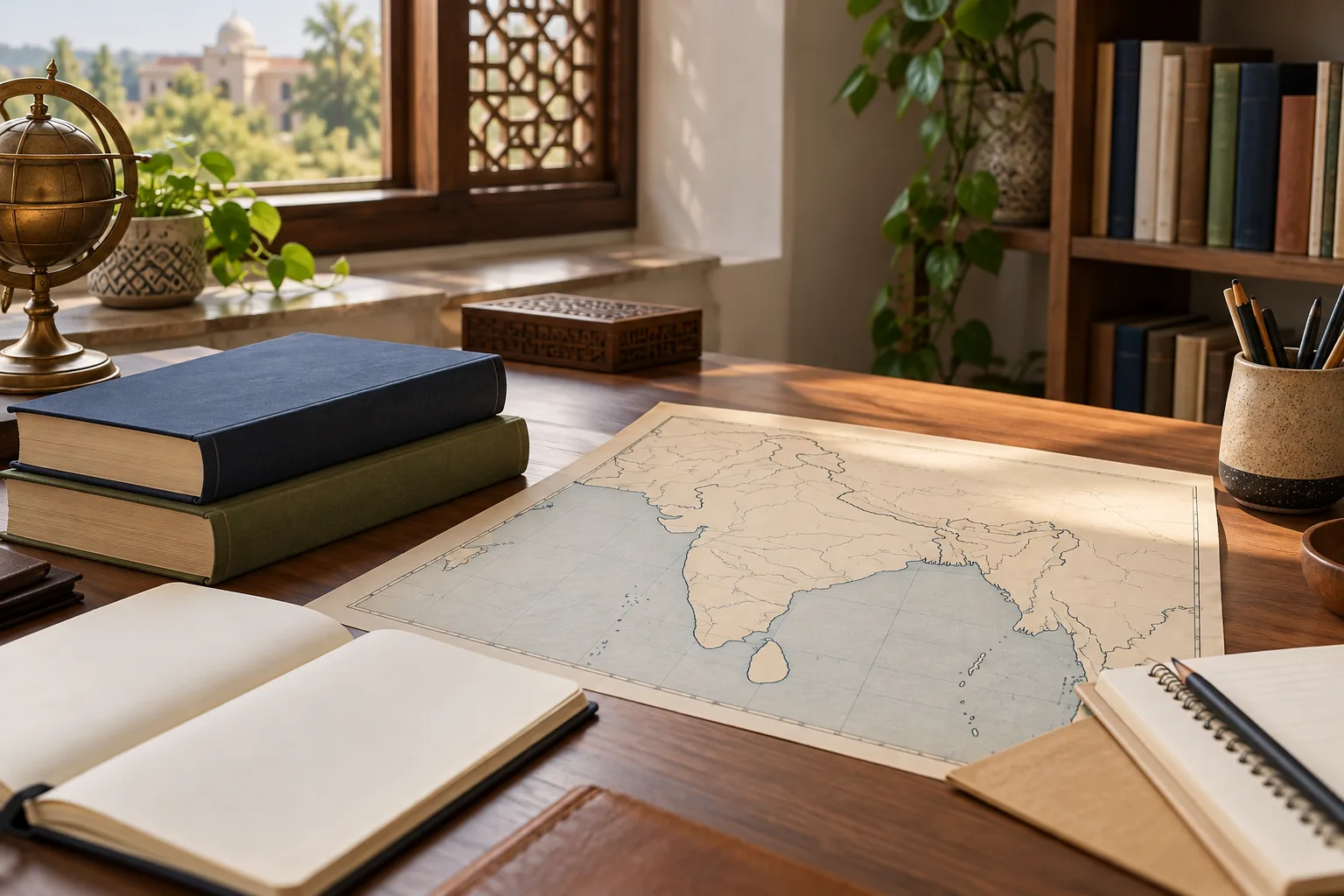
الْبِيرُونِيُّ وَالتَّقَاطُعُ الثَّقَافِيُّ
Two scholars discuss Al-Biruni's monumental work on India as a model of objective cross-cultural study.
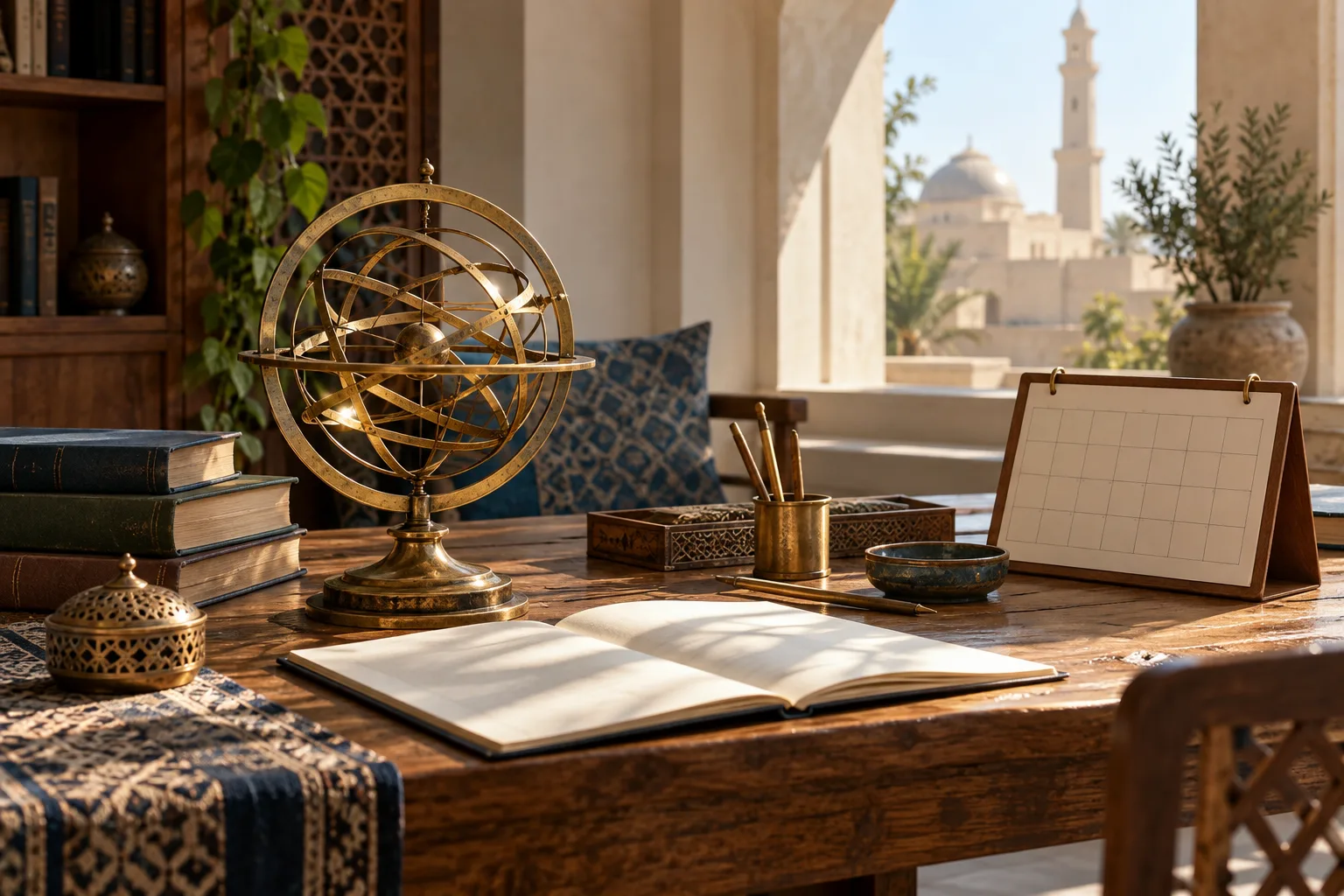
الْفَلَكُ الْإِسْلَامِيُّ وَإِصْلَاحُ التَّقْوِيمِ
Two researchers examine how Islamic astronomers contributed to calendar reform and the precise measurement of the solar year.
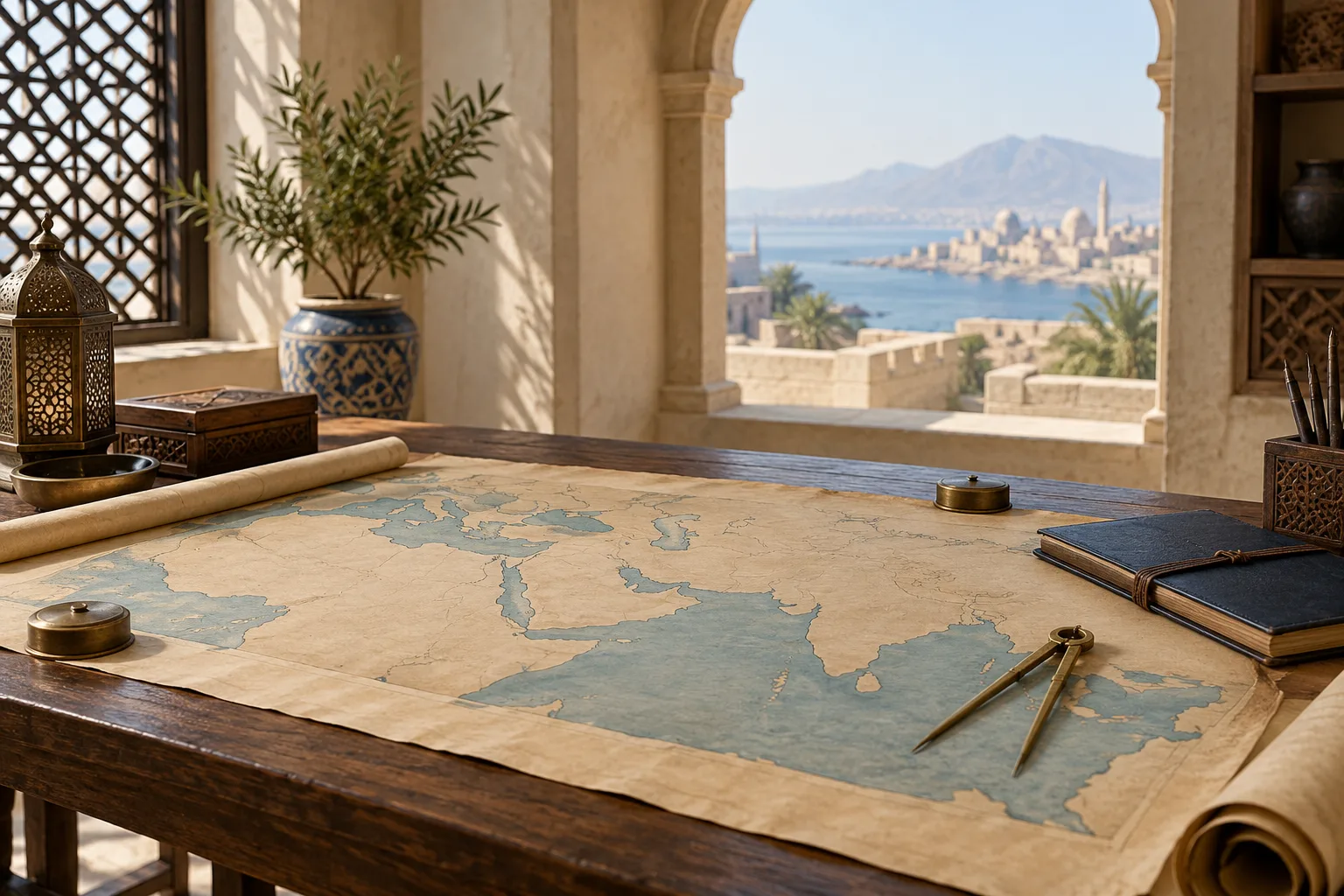
الْجُغْرَافِيَّا الْإِسْلَامِيَّةُ وَابْنُ بَطُّوطَةَ
Two academics compare the methodologies of al-Idrisi's cartographic work and Ibn Battuta's travel accounts as forms of geographical knowledge.
الدَّوَاوِينُ وَالْإِدَارَةُ الْإِسْلَامِيَّةُ
A student and teacher discuss the diwan system as an administrative innovation of early Islamic governance.
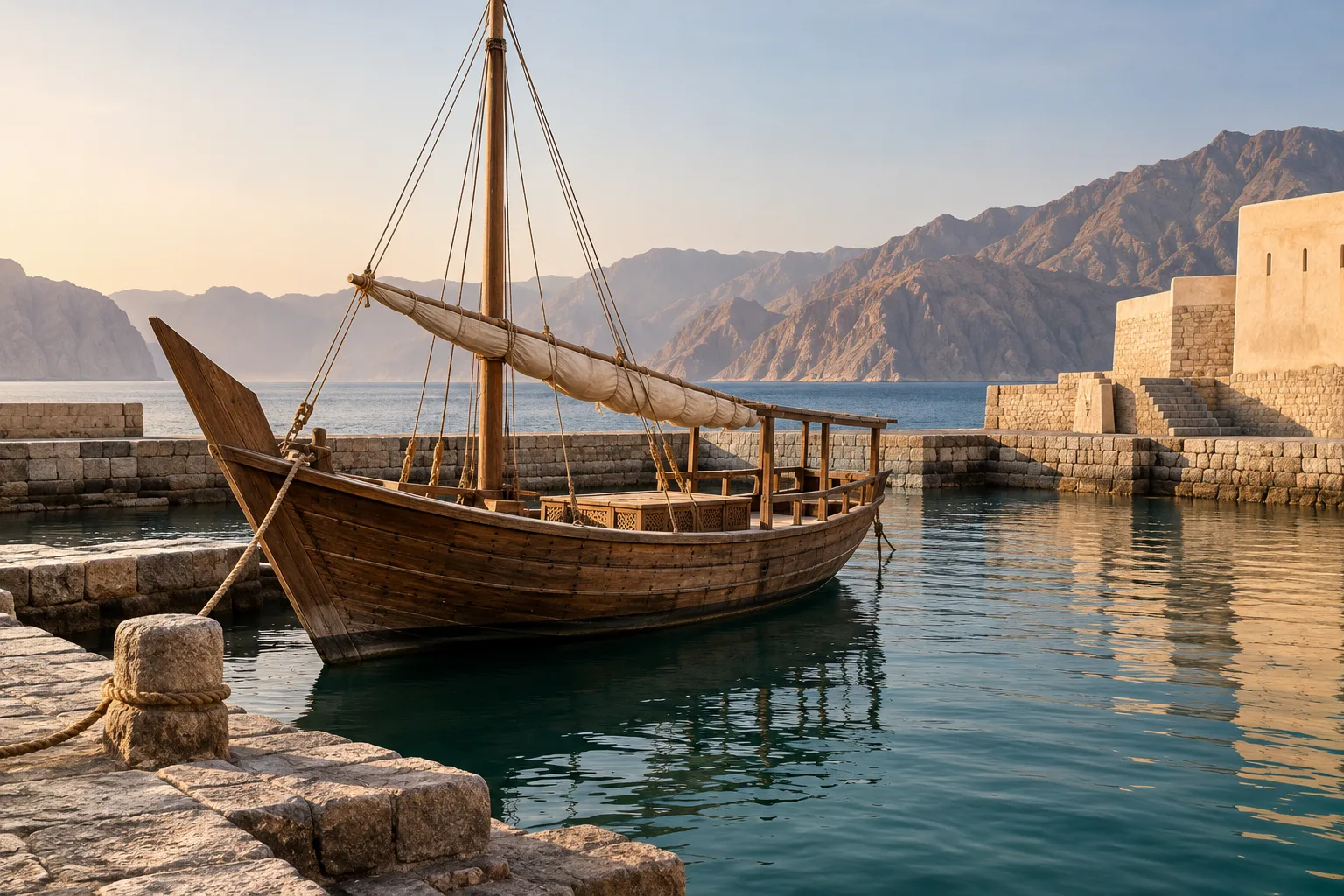
الطَّرِيقُ الْبَحْرِيُّ الْقَدِيمُ
Two children learn from their grandfather about ancient Arabian Sea trade connecting Arabia with India and East Africa.
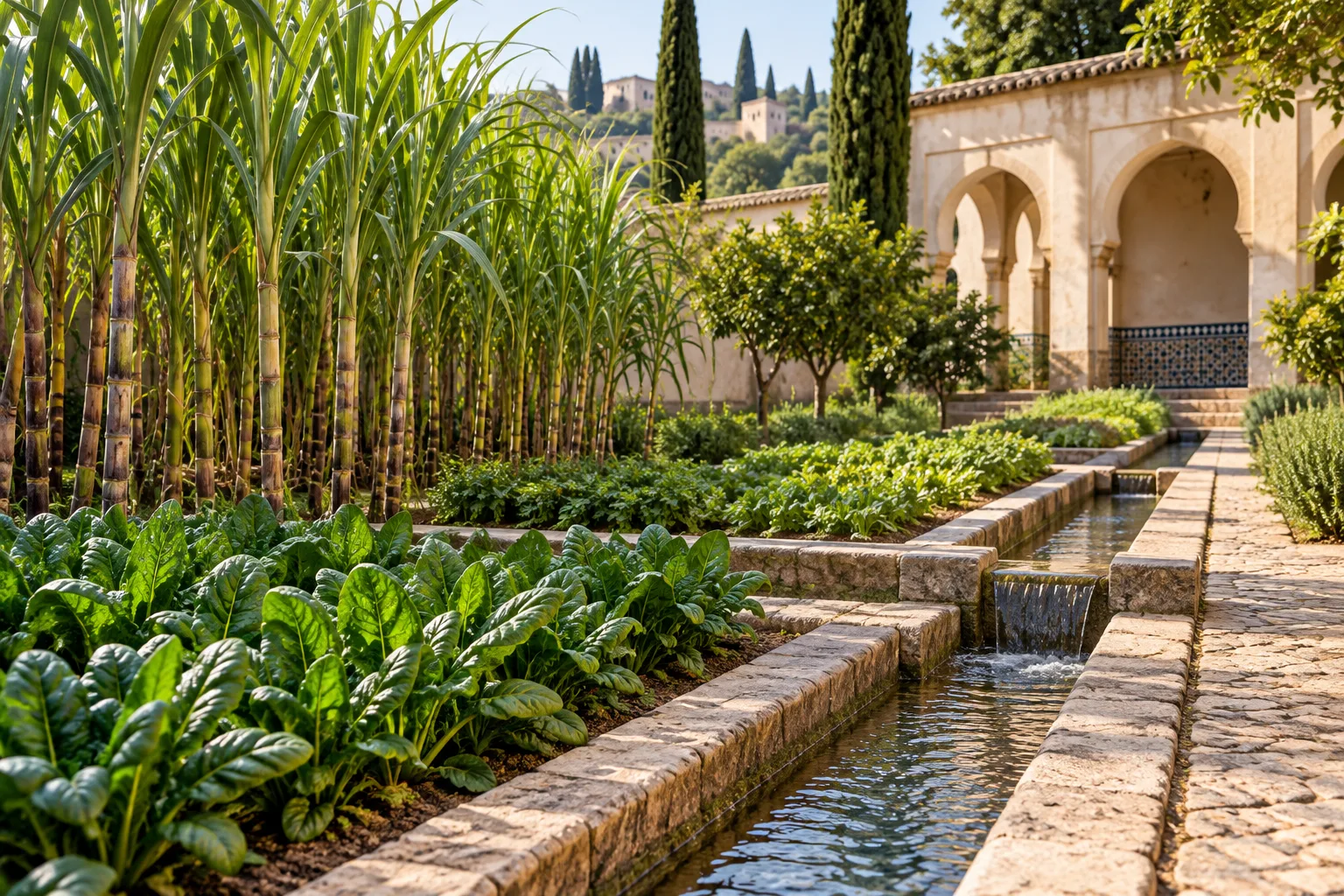
الزِّرَاعَةُ الْأَنْدَلُسِيَّةُ وَنَقْلُ النَّبَاتَاتِ
Two students discuss how Muslim farmers in Andalusia introduced new crops and irrigation methods to medieval Europe.