Read across five tongues.
Short articles and everyday conversations — Arabic fully vowelled, Japanese with furigana — each with Thai sentence translations, tap-a-word glosses, and recorded narration where you see the audio badge.
1000 conversations · page 33 of 42
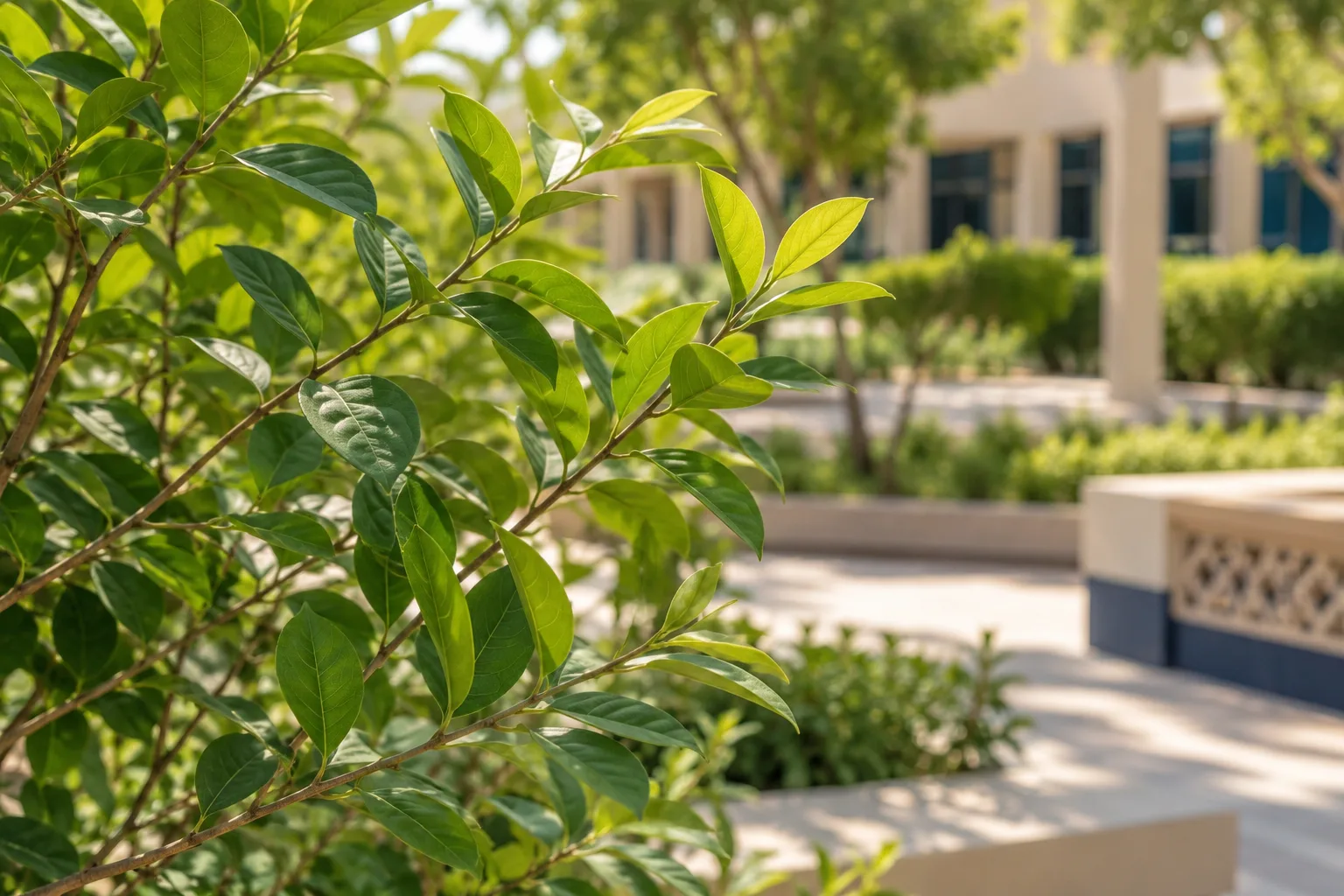
الدُّودَةُ الدَّبَّابَةُ
A child and a teacher spot a caterpillar on a leaf and talk about what it eats and where it will go next.
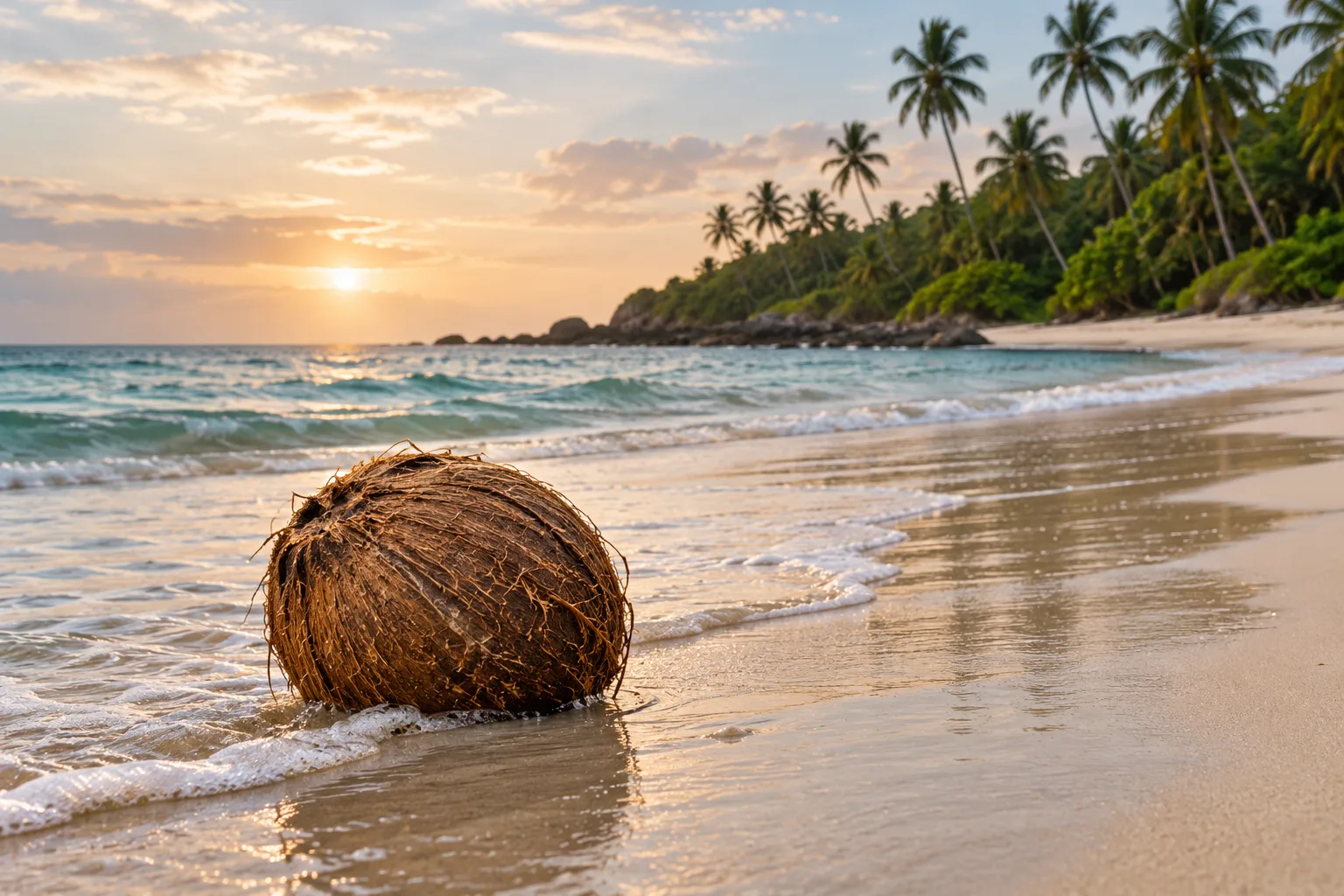
انْتِشَارُ بُذُورِ النَّخِيلِ عَلَى السَّاحِلِ
A botanist and a student examine how coconuts travel vast distances by sea and establish new plants on remote shores.
بِيُولُوجِيَا الشَّعَابِ الْمَرْجَانِيَّةِ وَعَلَاقَتُهَا بِالتَّنَوُّعِ الْبِيُولُوجِيِّ
A marine biologist and a graduate student discuss the symbiotic relationship between coral polyps and algae and why reefs are critical biodiversity hotspots.

الْعَنَاكِبُ وَشِبَاكُهَا
Two students debate whether spiders are beneficial or frightening and learn about the remarkable silk and structure of spider webs.
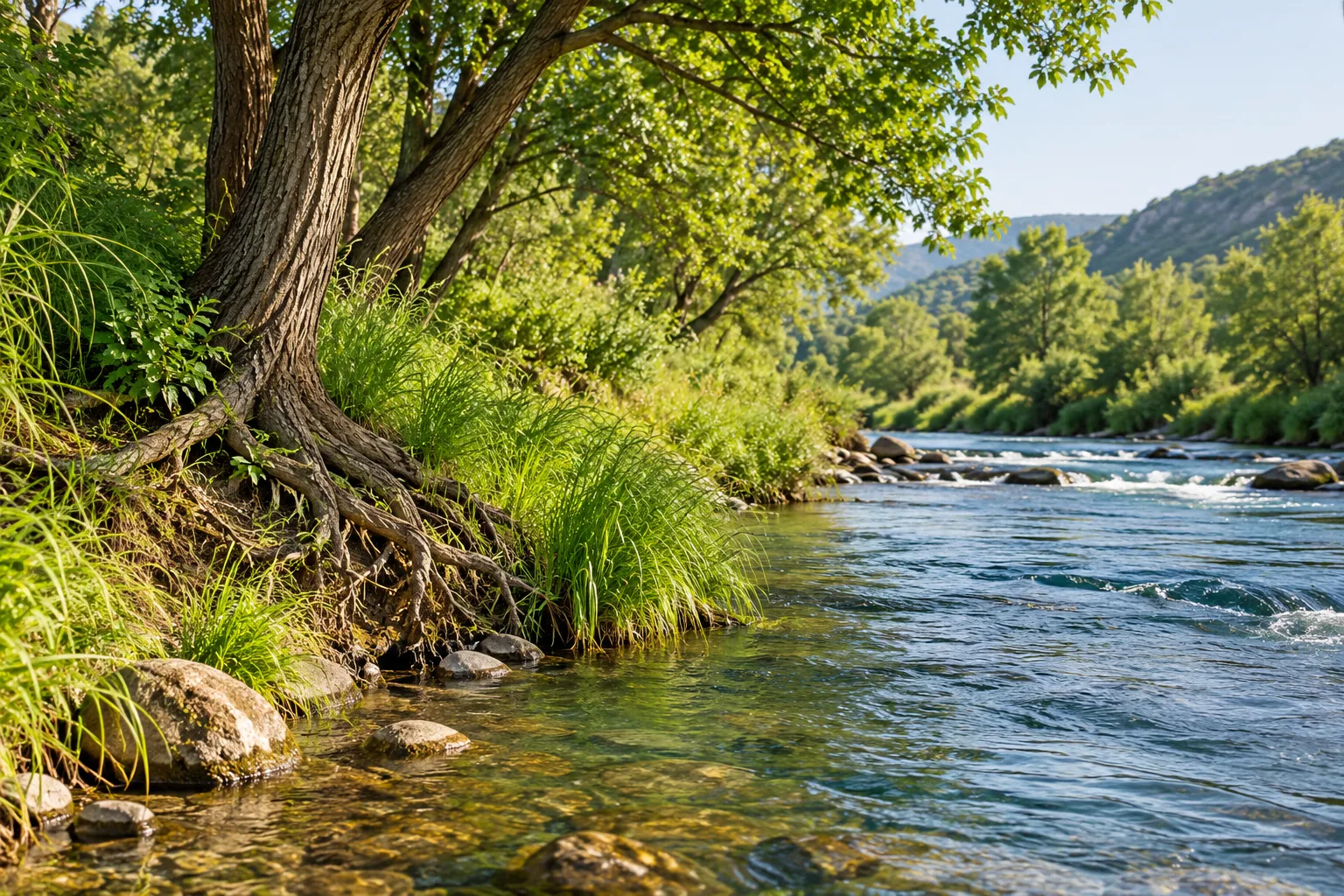
التَّلَاقُحُ الْمُتَبَادَلُ بَيْنَ الشَّعَابِ الْعُشْبِيَّةِ وَمَجَارِي الْأَنْهَارِ
An environmental engineer and a hydrologist discuss how riverside plant communities stabilize banks, filter pollutants, and support aquatic biodiversity.
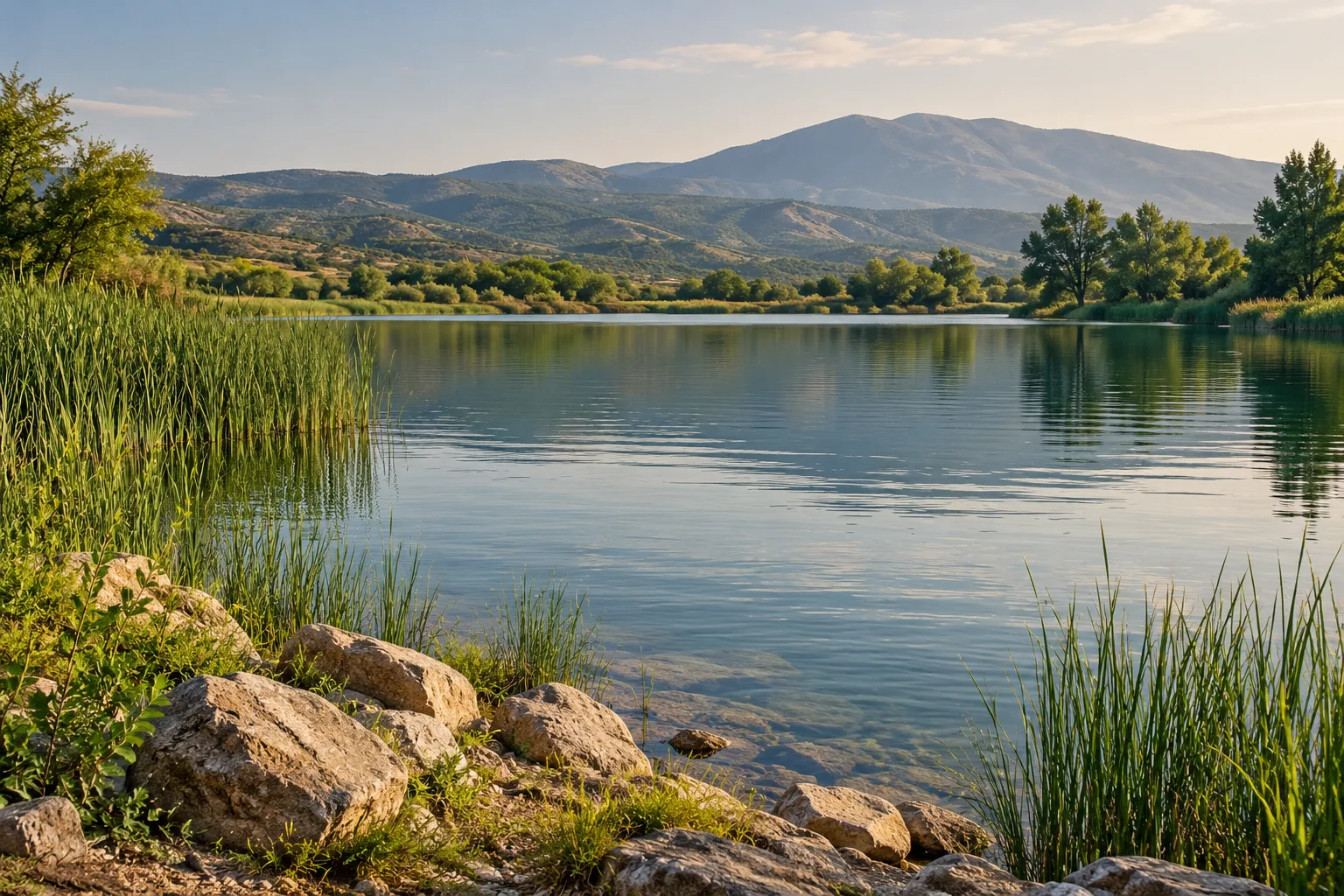
الْبَطَّةُ وَصِغَارُهَا عَلَى الْبُحَيْرَةِ
Two children watching a lake see a mother duck swimming with her ducklings and ask why the little ones seem to follow her everywhere.
دَوْرُ الْحَيَوَانَاتِ الرَّائِمَةِ فِي اتِّزَانِ الْمَنْظُومَاتِ الْبِيئِيَّةِ
An ecologist and a wildlife documentary producer discuss how scavengers like vultures and hyenas perform a vital sanitation function that prevents disease and recycles nutrients.
لِمَاذَا السَّمَاءُ زَرْقَاءُ؟
Two students ask each other why the sky appears blue and learn about the scattering of sunlight.
عَمَلِيَّةُ التَّمْثِيلِ الضَّوْئِيِّ
A teacher explains to a student how plants make their own food using sunlight, water, and carbon dioxide.
عِظَامُ جِسْمِ الإِنْسَانِ
Two children talk about the human skeleton, how many bones we have, and why they are important.
الطَّقْسُ وَالْفُصُولُ الأَرْبَعَةُ
A parent and child discuss why seasons change and how the Earth's tilt causes different weather patterns.
الْحَيَوَانَاتُ وَبِيئَاتُهَا الطَّبِيعِيَّةُ
Two classmates explore how different animals are adapted to live in specific environments like deserts, oceans, and forests.
الْكَوَاكِبُ وَالْمَجْمُوعَةُ الشَّمْسِيَّةُ
Two siblings wonder about the planets in our solar system and what makes each one unique.
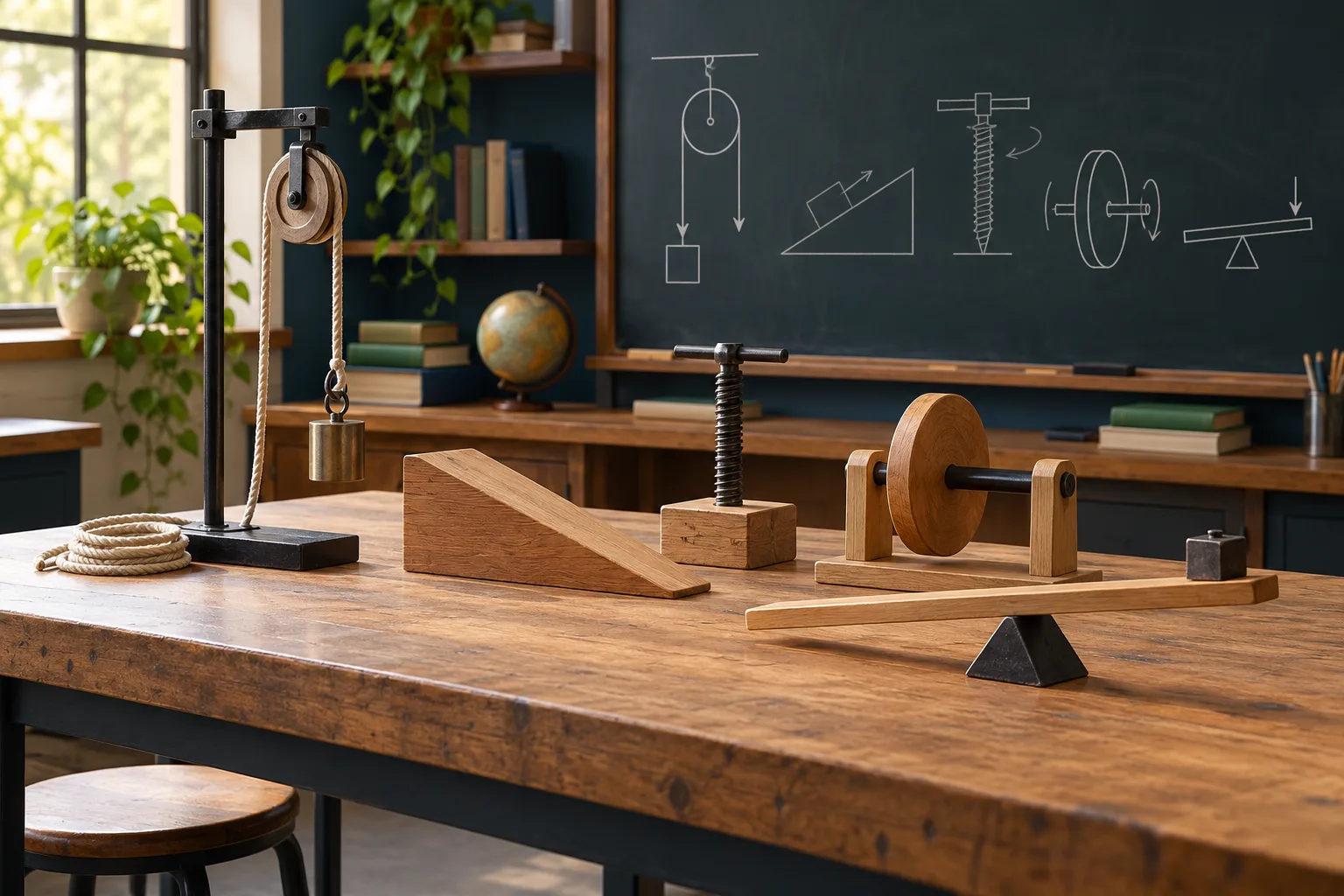
الآلَاتُ الْبَسِيطَةُ فِي حَيَاتِنَا
A teacher and student explore the six types of simple machines and how they make work easier in daily life.
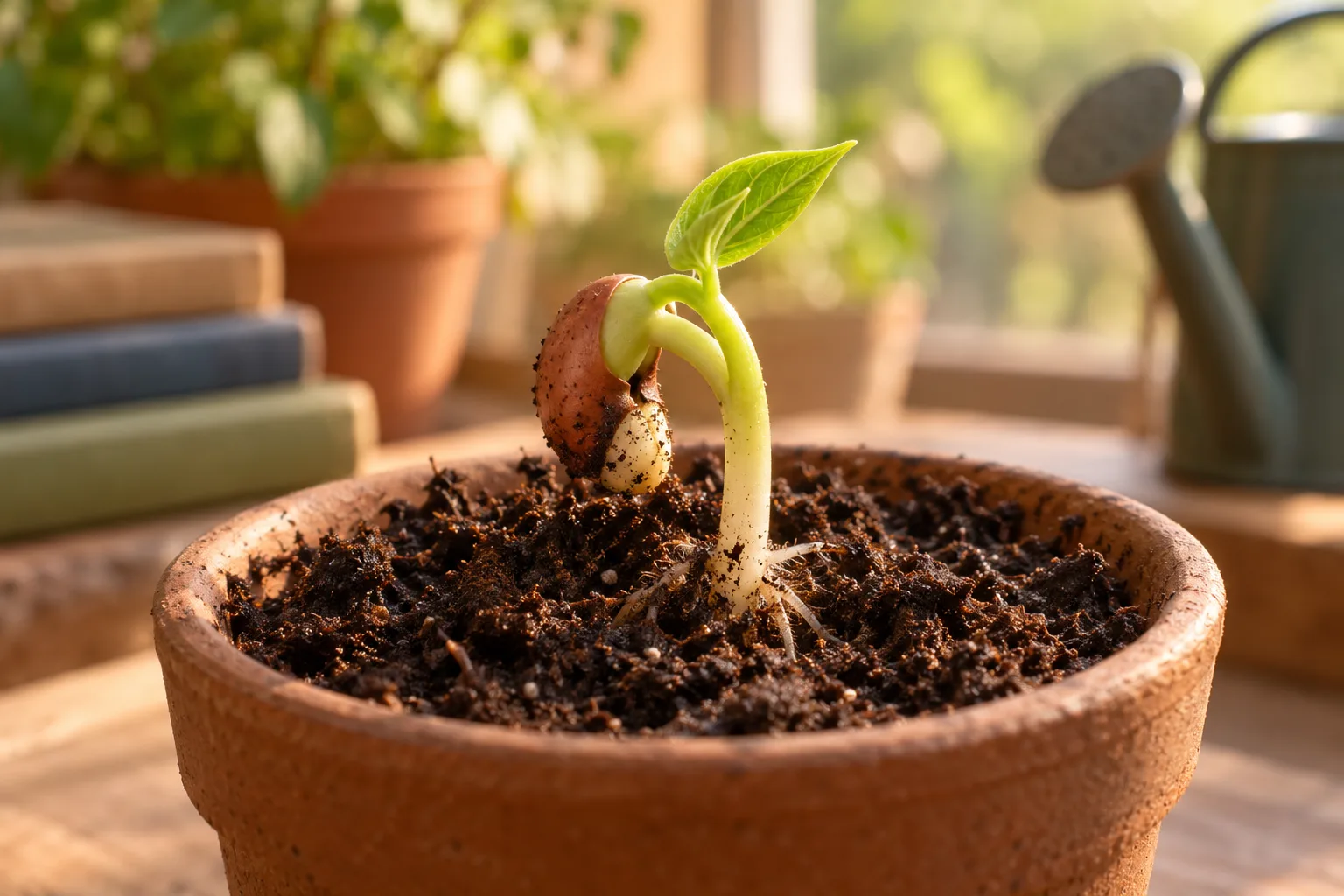
نُمُوُّ النَّبَاتَاتِ مِنَ الْبَذْرَةِ
A grandmother and grandchild observe seeds sprouting in a garden pot and discuss the stages of plant growth.
عَالَمُ الْحَشَرَاتِ الْمُذْهِلُ
Two young students compare insects to other creatures and discuss their remarkable characteristics and roles in nature.
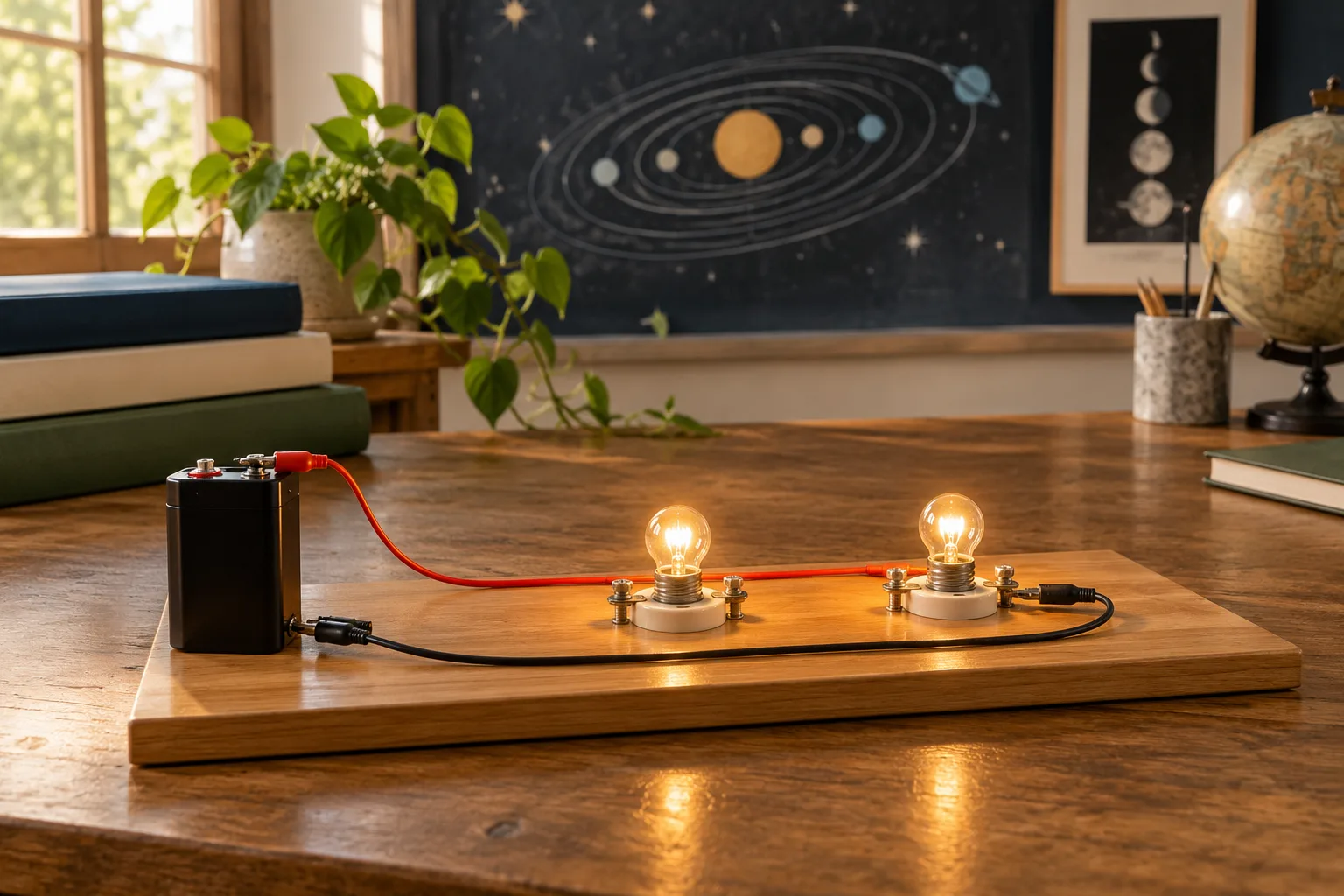
أَسَاسِيَّاتُ الْكَهْرَبَاءِ وَالدَّوَائِرُ الْكَهْرَبَائِيَّةُ
Two secondary-school students discuss how electric current flows, the difference between series and parallel circuits, and why circuit breakers exist.
الْجِهَازُ الْهَضْمِيُّ وَعَمَلِيَّةُ الْهَضْمِ
A biology student asks a classmate about the stages food passes through during digestion, from the mouth to the intestines.
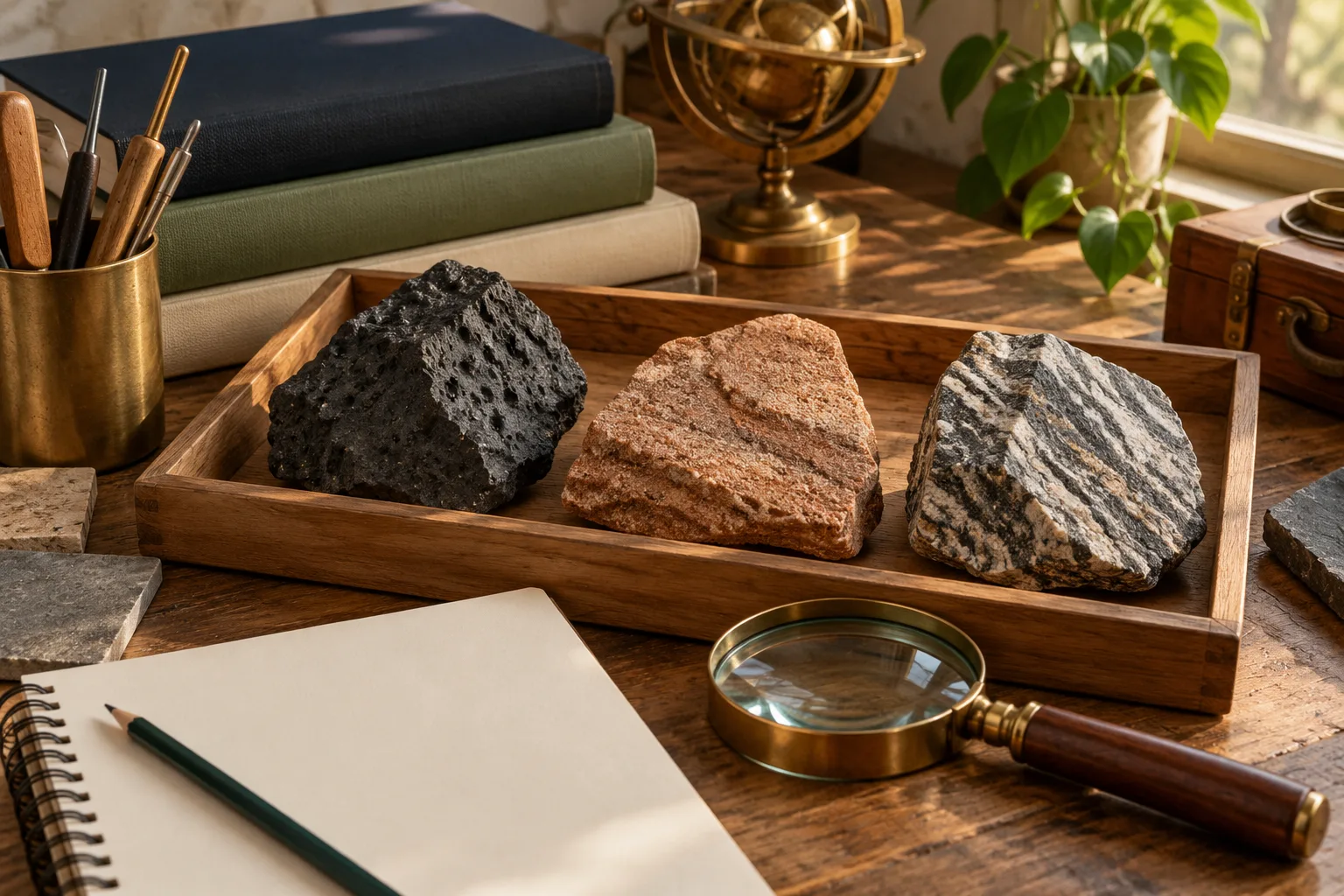
الصُّخُورُ وَالْمَعَادِنُ وَتَصَنِيفَاتُهَا
A geology enthusiast explains to a friend the three main rock types — igneous, sedimentary, and metamorphic — and how they form.

الصَّوْتُ وَخَصَائِصُ الْأَمْوَاجِ الصَّوْتِيَّةِ
Two physics students discuss how sound travels, what affects its speed, and the difference between frequency and amplitude.
النِّظَامُ الْبِيئِيُّ وَتَوَازُنُ الطَّبِيعَةِ
Two environmental science students debate how food chains and food webs interconnect species within an ecosystem and what happens when one species disappears.
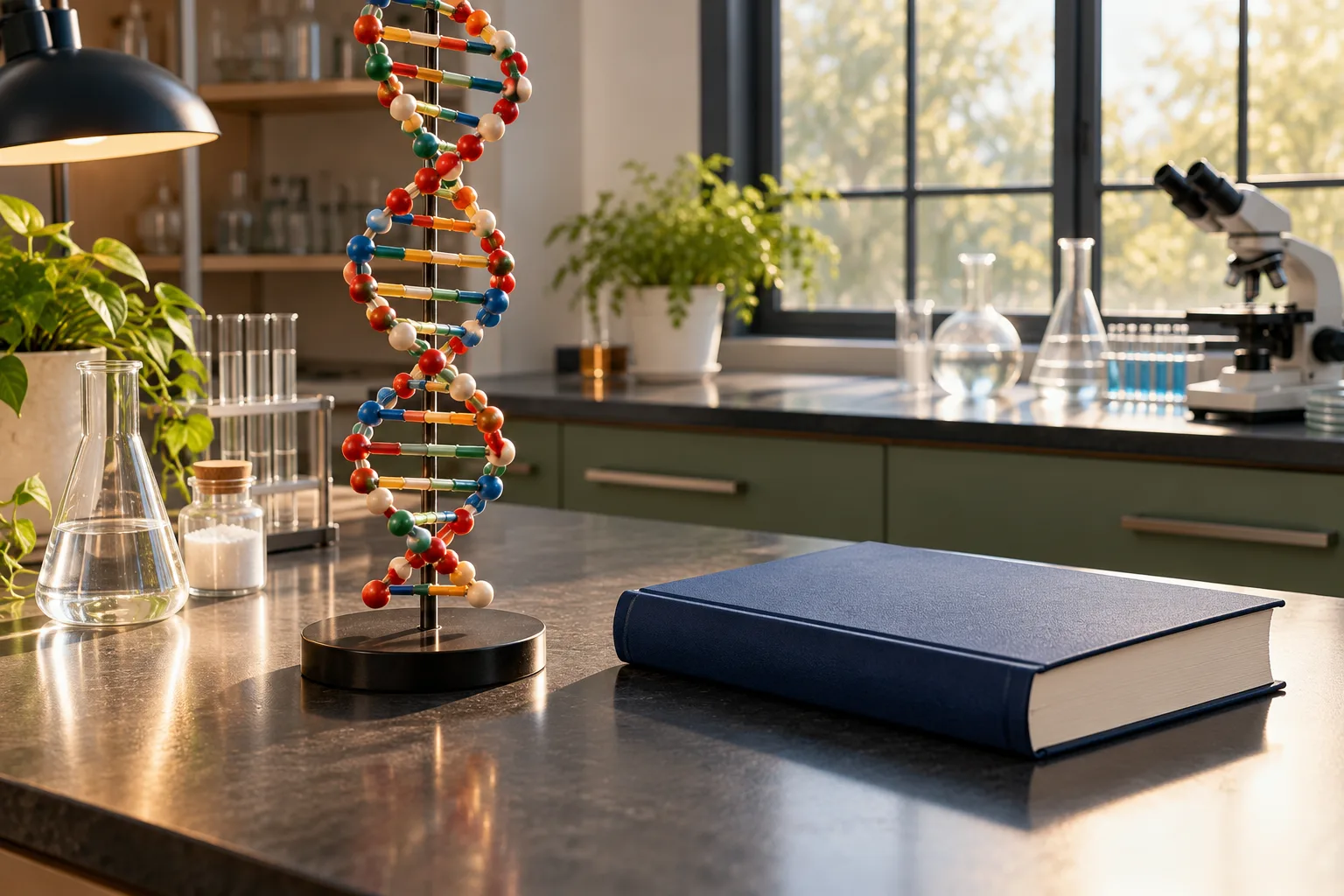
الْحَمْضُ النَّوَوِيُّ وَعِلْمُ الْوِرَاثَةِ
Two students discuss what DNA is, how genes determine inherited traits, and the basic principles of dominant and recessive alleles.

التَّفَاعُلَاتُ الْكِيمِيَائِيَّةُ فِي حَيَاتِنَا
A chemistry teacher guides a student through everyday examples of chemical reactions, from rust to baking, and explains exothermic versus endothermic reactions.
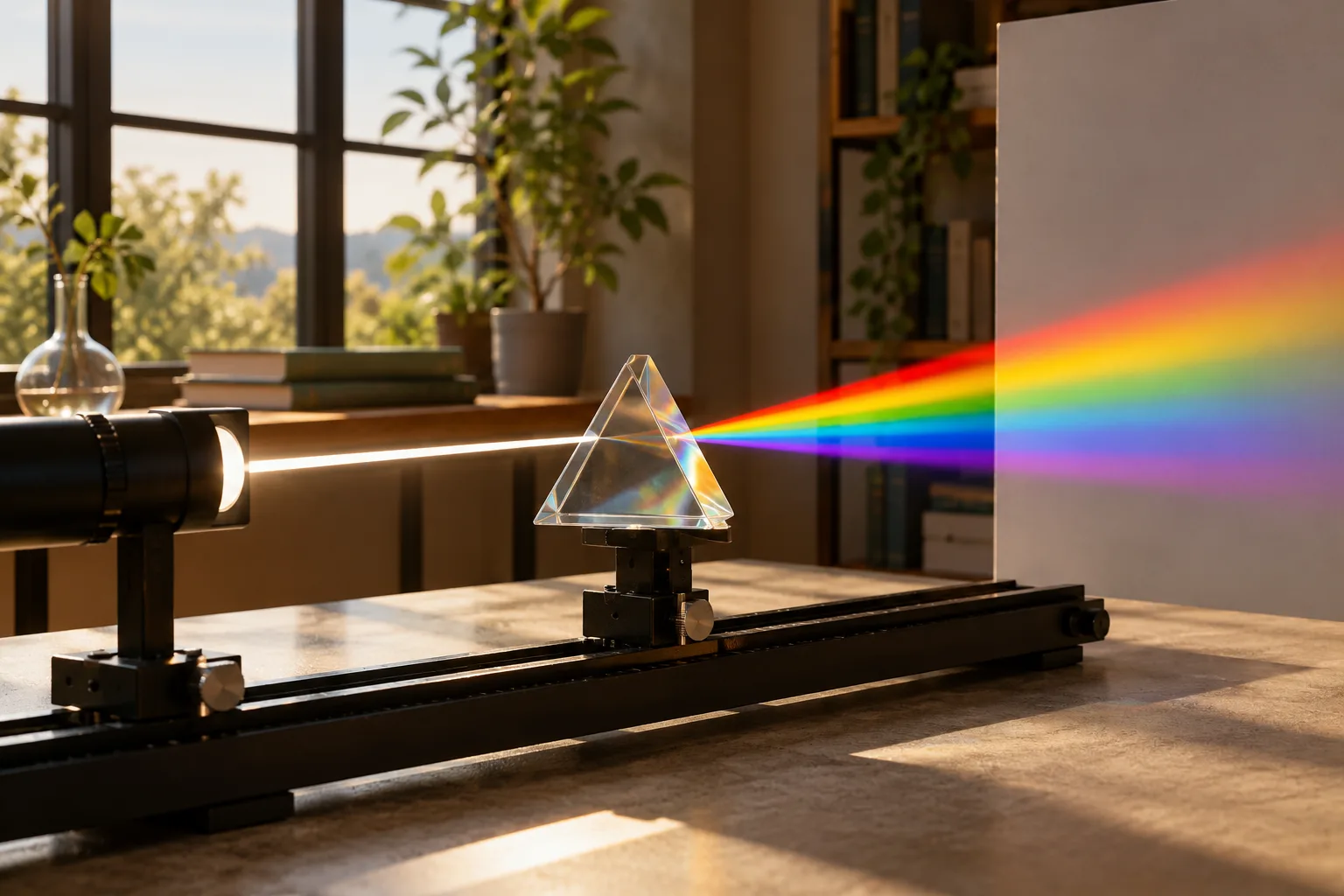
الضَّوْءُ وَظَاهِرَةُ الِانْكِسَارِ وَالطِّيفِ اللَّوْنِيِّ
Two students explore why a prism splits white light into colors, how rainbows form, and why objects appear in different colors.