← English conversations English · economy · advanced · 316 words · ~2 min
The Future of Work and Automation อนาคตของงานและระบบอัตโนมัติ
The Future of Work and Automation
Two economists debate how automation and artificial intelligence will reshape labour markets and what policy responses are most appropriate.
Recorded narration All 10 sentences have audio clips — tap any line to start there.
▶ Listen Thai Sentences Word taps Test yourself
Script Word-class colours
Sign in to save texts and track what you've read.
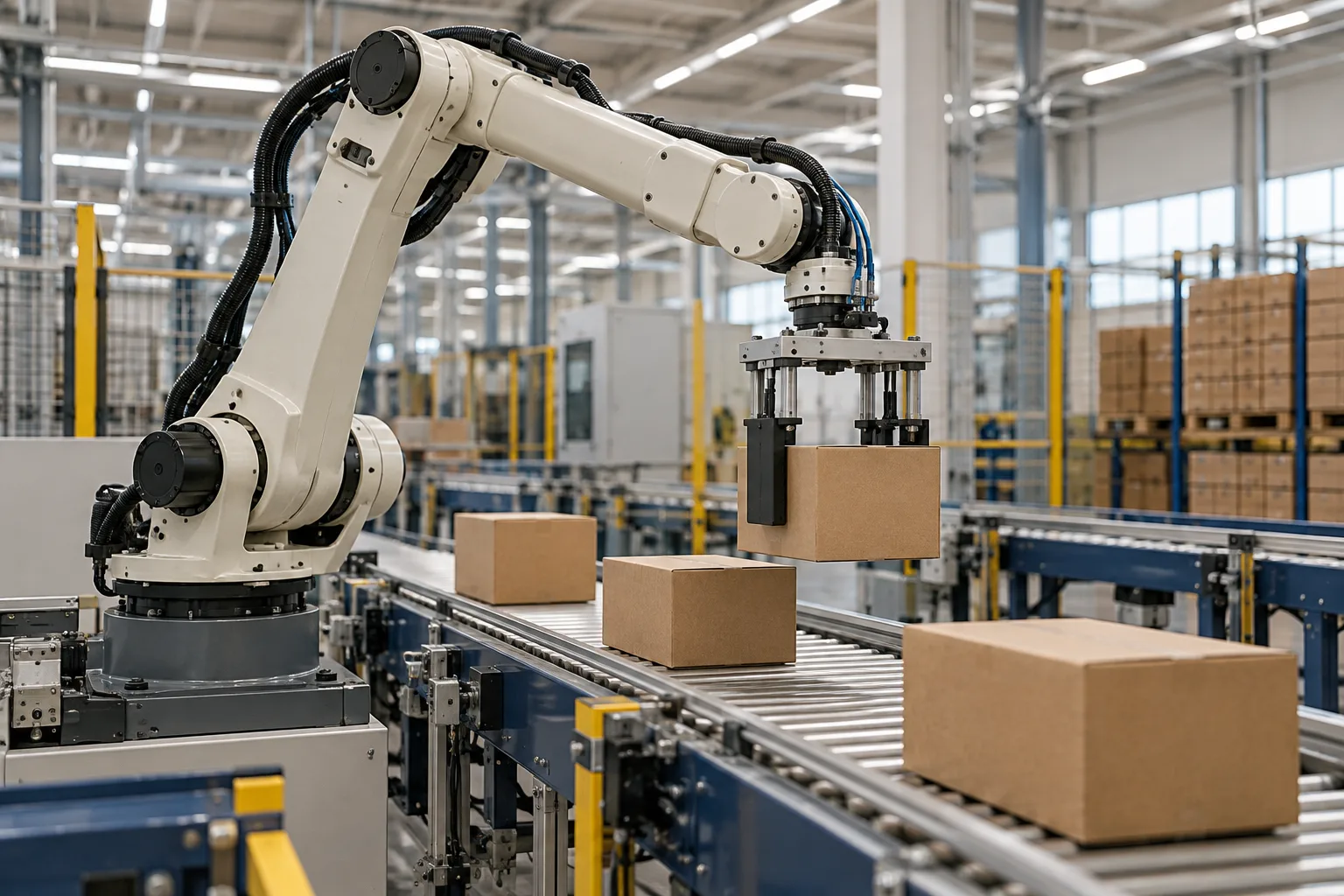
Automation at work Professor Yusra ▶ Every major wave of automation has historically displaced certain jobs while creating others . Is there any reason to think this wave of AI-driven automation will follow the same pattern ? คลื่นระบบอัตโนมัติขนาดใหญ่ทุกลูกในประวัติศาสตร์ได้แทนที่งานบางประเภทในขณะที่สร้างงานใหม่ มีเหตุผลใดที่จะคิดว่าคลื่นระบบอัตโนมัติที่ขับเคลื่อนด้วย AI นี้จะเป็นไปตามรูปแบบเดิมหรือไม่?
Adel ▶ There are reasons for caution . Previous automation displaced routine manual tasks but left cognitive and interpersonal work largely intact . General-purpose AI threatens to automate cognitive labour at a scale and speed that historical analogies may not capture . มีเหตุผลที่ต้องระมัดระวัง ระบบอัตโนมัติในอดีตแทนที่งานประจำด้วยมือ แต่ทิ้งงานทางปัญญาและงานระหว่างบุคคลไว้ส่วนใหญ่ AI อเนกประสงค์คุกคามที่จะทำให้งานทางปัญญาเป็นอัตโนมัติในระดับและความเร็วที่การเปรียบเทียบทางประวัติศาสตร์อาจจับไม่ได้
Professor Yusra ▶ The pace argument is compelling . The agricultural and industrial transitions unfolded over generations , giving labour markets and social institutions time to adapt . This could compress that timeline dramatically . ข้อโต้แย้งเรื่องความเร็วน่าเชื่อถือ การเปลี่ยนแปลงในภาคเกษตรกรรมและอุตสาหกรรมเกิดขึ้นตลอดหลายรุ่น ทำให้ตลาดแรงงานและสถาบันสังคมมีเวลาปรับตัว การเปลี่ยนแปลงครั้งนี้อาจบีบอัดกรอบเวลานั้นอย่างมาก
Adel ▶ The distributional question is as important as the aggregate one . Even if total employment and income hold up , the transition costs — borne disproportionately by mid-skill workers in exposed sectors — could be severe . คำถามเรื่องการกระจายมีความสำคัญเท่ากับคำถามรวม แม้ว่าการจ้างงานและรายได้รวมจะคงอยู่ ต้นทุนการเปลี่ยนแปลง — ที่ตกอยู่กับคนทำงานทักษะกลางในภาคที่ได้รับผลกระทบอย่างไม่สมส่วน — อาจรุนแรง
Professor Yusra ▶ Which is why the policy conversation has to move beyond asking whether net jobs will be created and start asking who bears the transition costs and what mechanisms exist to share them . ซึ่งเป็นเหตุผลที่การสนทนาเรื่องนโยบายต้องก้าวข้ามการถามว่าจะมีงานสุทธิเกิดขึ้นหรือไม่ และเริ่มถามว่าใครรับภาระต้นทุนการเปลี่ยนแปลงและมีกลไกใดที่จะแบ่งปันกัน
Adel ▶ Continuous education and retraining infrastructure is one priority . The traditional model of front-loading education in the first two decades of life is poorly suited to a labour market requiring repeated skill pivots . โครงสร้างพื้นฐานการศึกษาต่อเนื่องและการฝึกอบรมใหม่เป็นสิ่งสำคัญอันดับหนึ่ง โมเดลดั้งเดิมของการใส่การศึกษาส่วนหน้าในสองทศวรรษแรกของชีวิตไม่เหมาะกับตลาดแรงงานที่ต้องการการเปลี่ยนทักษะซ้ำ ๆ
Learning new skills Professor Yusra ▶ Stronger social insurance that decouples baseline security from employment status is another lever . That requires political will that has been largely absent in most high-income countries . ประกันสังคมที่แข็งแกร่งกว่าที่ยกเลิกการผูกความมั่นคงพื้นฐานกับสถานะการจ้างงานเป็นคันโยกอีกอัน นั่นต้องการเจตนารมณ์ทางการเมืองที่ขาดหายไปเป็นส่วนใหญ่ในประเทศรายได้สูงส่วนใหญ่
Adel ▶ There is also a question about the definition of productive contribution . If automation handles a growing share of material production , the value of human time — care work , community engagement , creative and scholarly endeavour — deserves revaluation . ยังมีคำถามเกี่ยวกับคำนิยามของการมีส่วนร่วมที่มีประสิทธิผล ถ้าระบบอัตโนมัติจัดการส่วนแบ่งที่เพิ่มขึ้นของการผลิตวัตถุ คุณค่าของเวลามนุษย์ — งานดูแล การมีส่วนร่วมในชุมชน ความพยายามสร้างสรรค์และวิชาการ — สมควรได้รับการประเมินใหม่
Professor Yusra ▶ That revaluation will not happen spontaneously through markets . It requires deliberate choices about what we measure , what we reward , and what kind of society we are trying to build . การประเมินใหม่นั้นจะไม่เกิดขึ้นโดยอัตโนมัติผ่านตลาด มันต้องการการเลือกโดยเจตนาเกี่ยวกับสิ่งที่เราวัด สิ่งที่เราให้รางวัล และสังคมประเภทใดที่เราพยายามสร้าง
Adel ▶ Agreed . The technology will arrive regardless . Whether its benefits are broadly shared or narrowly captured is not a technical question — it is entirely a question of institutions , values , and political choices . เห็นด้วย เทคโนโลยีจะมาถึงไม่ว่าจะอย่างไร ว่าผลประโยชน์จะถูกแบ่งปันอย่างกว้างขวางหรือถูกจับเพียงแคบ ๆ ไม่ใช่คำถามทางเทคนิค — มันเป็นคำถามของสถาบัน ค่านิยม และการเลือกทางการเมืองทั้งสิ้น
colour key
← Previous All economy